
Written By: Don Dodi
Fact Checked By: Kristen Brown
Reviewed By: Diego Rosenberg
When you do the regular clean the car exhaust pipes, then it’ll becomes really easy and doable thing to prevent stubborn stains and corrosion later on.
The car exhaust pipes actually affects vehicle’s appearance and also it affects the long-term condition of the vehicle as well, so don’t take it lightly.
Not only this, it is just the natural thing that: because of the time the exhaust pipes collects carbon soot, road dirt, oil residue, moisture and heat stains that is responsible to cause that high exhaust temperatures that can literally exceed 400°C to 600°C when you drive the vehicle normally.
Plus, according to the automotive maintenance studies and manufacturer service guides, if the exhaust is badly uncleaned then the car exhaust starts to show the visible dirt in the fastest way, as it continuously carry that un-burned carbon particles to the pipe’s surface.
Even, there could be moisture trapped inside or all around the exhaust that can also speed up that bastard oxidation process, specifically during the humid or coastal environmental conditions, in that way it leads to the rust formation on metallic surfaces.
Again, it is also true that; if the exhaust pipes are dirty then it usually doesn’t reduces the engine performance directly, but if you neglect them then it can allow the corrosion to spread and weaken the metallic structure over the period of time and even it makes the future cleaning far more worse than ever.
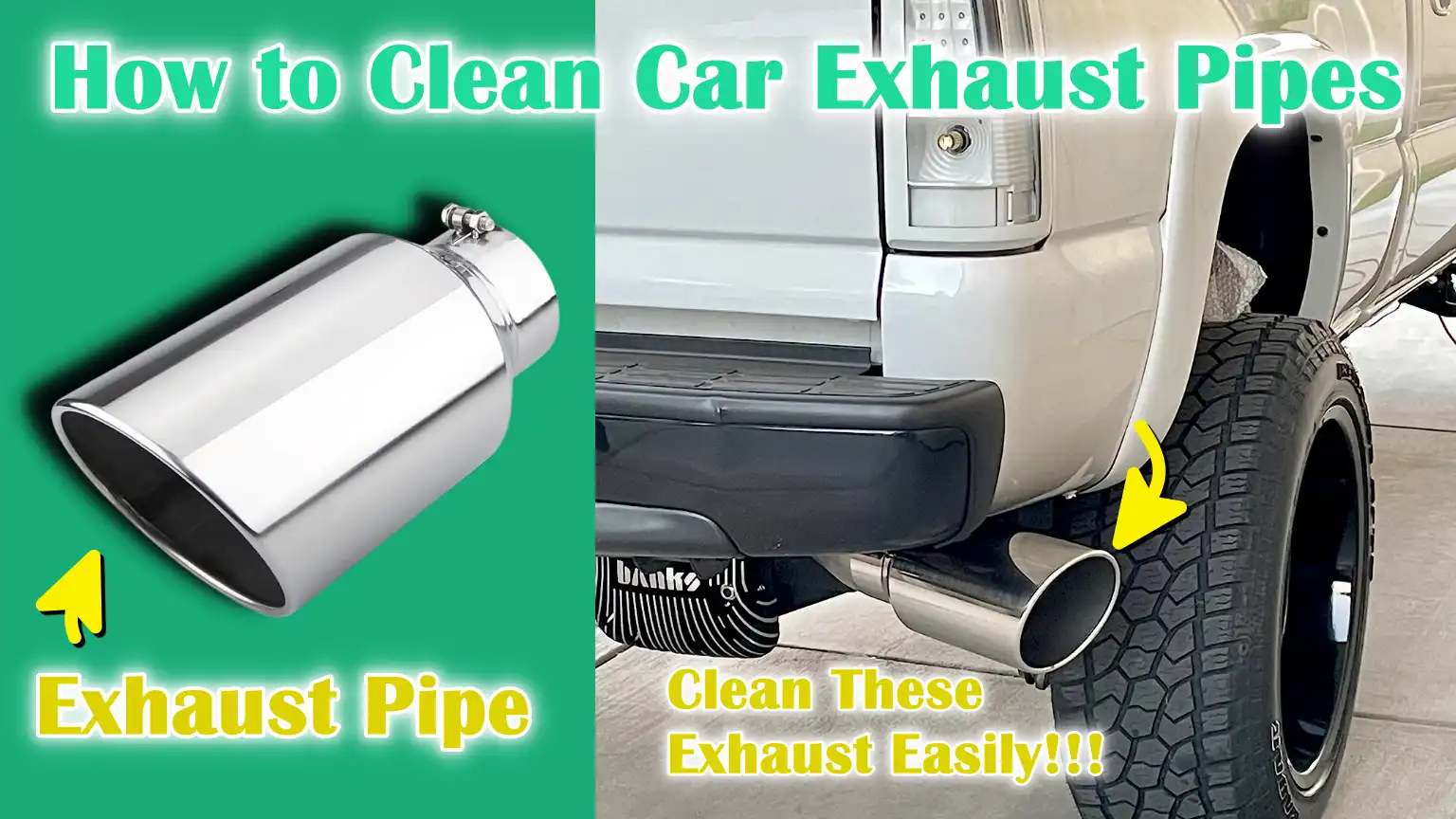
So, this is the guide about How to Clean Car Exhaust Pipes, so that you can protect that metallic finish everyone loves, you’ll learn to extend the life of exhaust components and maintain the resale value as well.
Know, What are The Types of Car Exhaust Pipes
1. Stainless Steel Exhaust Pipes
Stainless steel exhaust pipes are one of the most common and reliable options used in modern vehicles.
They are designed to resist rust and corrosion better than regular steel because they contain chromium, which forms a protective layer on the surface.
This makes them particularly useful in areas with high humidity, frequent rain, or where road salt is used.
Stainless steel exhaust pipes can withstand higher temperatures without weakening, which is crucial as exhaust gases become very hot during normal driving.
Over time, they often develop a light gray or bluish tint, but this does not affect their durability.
From a maintenance perspective, stainless steel is easy to clean and responds well to light polishing, making it a long-lasting and practical option for most drivers.
2. Chrome-Plated Exhaust Tips
Chrome-plated exhaust tips are primarily chosen for their shiny, mirror-like appearance.
They are made by applying a thin layer of chromium onto a base metal, which increases surface hardness and provides a bright finish.
While chrome looks attractive when new, it is more susceptible to damage than stainless steel.
Carbon soot, water spots and road grime can quickly dull the shine if not cleaned regularly.
If moisture is allowed to remain on damaged chrome for extended periods, the coating can peel or pit, exposing the underlying metal.
To prevent scratches and maintain their polished finish, chrome exhaust tips require proper cleaning using non-abrasive methods.
3. Matte Black and Ceramic-Coated Exhausts
Matte black and ceramic-coated exhaust pipes are designed for heat management and a modern, sporty look, rather than a glossy finish.
The ceramic coating helps reduce heat radiation, protect the underlying metal and slow down corrosion.
The matte finish does not reflect light, meaning that smudges and fingerprints can be more easily visible if the surface is not properly cleaned.
These exhausts require special care, as aggressive scrubbing or harsh chemicals can damage the coating and cause uneven discoloration.
Gentle cleaning preserves both the protective layer and the uniform color, extending the lifespan of the exhaust system.
4. Single vs Dual Exhaust Systems
Single exhaust systems use a single exhaust pipe to expel gases, while dual exhaust systems utilize two separate outlets.
Single exhaust setups are common in smaller or fuel-efficient vehicles because they are lighter, simpler and easier to maintain.
Dual exhaust systems are often found in performance or larger vehicles as they improve exhaust flow and provide a balanced, sporty look.
From a cleaning perspective, dual exhausts require more attention as they have two pipes exposed to soot, moisture and road grime.
Understanding the exhaust layout allows drivers to properly clean all exposed surfaces and prevent dirt buildup or corrosion on one side.
What are The Common Contaminants on Exhaust Pipes
1. Carbon Soot Buildup
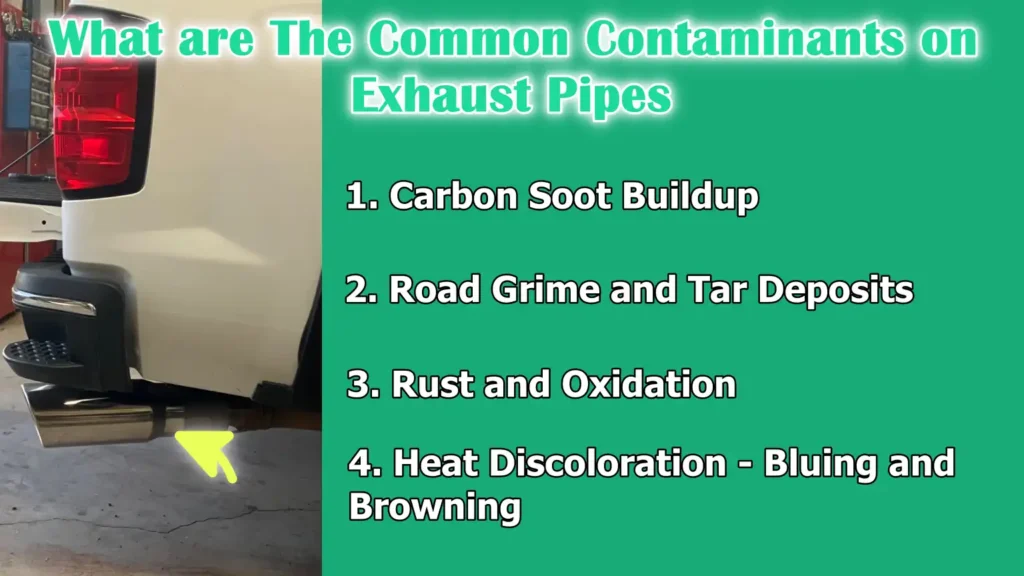
Carbon soot is the most common substance found on exhaust pipes and is formed every time the engine burns fuel.
Even modern engines with advanced emission systems still release small carbon particles from the exhaust, which accumulate as a black or dark gray layer on the exhaust tip.
Short trips, frequent idling and stop-and-go driving increase soot buildup because the engine doesn’t reach its most efficient operating temperature.
While carbon soot is generally not harmful in itself, if left uncleaned, it can harden due to heat and become very difficult to remove later.
Regular cleaning prevents this buildup from adhering firmly to the metal and helps keep the exhaust clean.
2. Road Grime and Tar Deposits
Road grime is a mixture of dust, dirt, oil residue and small stones kicked up from the road while driving.
Tar deposits come from newly paved roads and soft asphalt, specially in warm weather.
These sticky substances can adhere to the outer surface of the exhaust pipe and trap moisture and dirt underneath.
Over time, this trapped moisture can accelerate the rusting process, particularly around welds and edges.
Road grime and tar don’t usually cause immediate damage to the exhaust, but neglecting them can lead to staining and make cleaning more difficult in the future.
Light cleaning helps remove these deposits before they harden and bond to the surface.
3. Rust and Oxidation
Rust occurs when metal reacts with oxygen and moisture over time, a process known as oxidation.
Exhaust pipes are particularly susceptible to this because they experience constant temperature changes and are frequently exposed to rain, snow and humidity.
Surface rust typically begins as small orange or brown spots, while deeper rust can weaken the metal and cause flaking.
Stainless steel resists corrosion better, but it can still oxidize under harsh conditions.
It’s crucial to remove rust promptly because once it spreads, it can shorten the lifespan of the exhaust system and lead to costly replacements.
4. Heat Discoloration – Bluing and Browning
Heat discoloration occurs when exhaust pipes are exposed to very high temperatures for extended periods.
This causes the metal surface to change color, often turning blue, purple, or brown, specially near the exhaust outlet.
This discoloration is common in stainless steel and performance exhaust systems and is a natural reaction between heat and oxygen.
While heat discoloration doesn’t necessarily indicate a faulty exhaust, it can affect the overall appearance of the vehicle.
Proper cleaning and polishing can minimize these stains and slow down the discoloration process, keeping the exhaust looking cleaner and more uniform.
Tools
| Tool or Material | What It Is | Why It Is Important |
|---|---|---|
| Microfiber Cloths | Soft, fine-fiber cleaning cloths designed to trap dust and dirt. | Prevents scratching of metal and coated exhaust surfaces. |
| Soft-Bristle Brushes | Soft and flexible bristle brush. | Cleans tight spaces without scratching the exhaust pipe. |
| Metal Polish or Exhaust Cleaner | Cleaning products specially formulated for metal surfaces. | It effectively removes carbon stains, oxidation and heat marks. |
| Degreasing Agents | Cleaners that break down oil and greasy dirt. | Removes sticky road grime and oily residue. |
| Protective Gloves and Safety Glasses | Equipment is worn to protect the hands and eyes.. | It protects the skin and eyes from chemicals and dirt. |
Take Safety Precautions Before Cleaning The Exhaust Pipes
1. Allow the Exhaust System to Cool Completely
The exhaust system gets extremely hot during driving, often reaching temperatures high enough to cause severe burns within seconds of contact.
Even after the engine is turned off, the exhaust pipes can remain hot for a considerable time as the metal retains heat.
Touching a hot exhaust or spraying cleaners onto it can cause burns or cause the liquid to evaporate too quickly, reducing the effectiveness of the cleaning.
Waiting until the exhaust is completely cool ensures safe handling and allows cleaning products to work properly on the surface without fuming or causing damage.
2. Work in a Well-Ventilated Area
Exhaust cleaning products and loose soot can release fumes and fine particles into the air.
Cleaning in an open area or a well-ventilated garage ensures proper airflow, minimizing the risk of inhaling harmful fumes.
Poor ventilation can lead to dizziness, headaches, or respiratory problems, specially when using degreasers or metal cleaners.
Good airflow keeps the air clean and allows the user to work more comfortably and safely.
3. Use Protective Equipment
Protective equipment such as gloves and safety glasses play a crucial role in preventing injuries.
Cleaning chemicals can irritate the skin and loose dirt or carbon can be dislodged during scrubbing.
Gloves protect the hands from dryness and chemical reactions, while safety glasses protect the eyes from dust and liquid splashes.
Using basic safety equipment reduces the risk of minor injuries and allows for cleaning with confidence and control.
4. Avoid Using Harsh Chemicals on Hot Surfaces
Applying harsh chemicals to hot exhaust pipes can be dangerous and damaging.
Due to the heat, cleaners can react more quickly than expected, potentially causing excessive fumes or chemical burns.
Some products can also damage metal coatings or finishes when exposed to high temperatures.
Allowing the surface to cool and using a mild, exhaust-safe cleaner ensures both safety and better cleaning results, while also protecting the exhaust system’s materials.
How to Clean Car Exhaust Pipes – Full Process
1. Initial Rinse to Remove Loose Debris
The first step in cleaning the exhaust pipe is to rinse it with plain water to remove loose dirt, dust and sand.
This step is crucial because dry particles can act like small abrasive grains and scratch the metal surface if scrubbing begins too soon.
A gentle stream of water helps wash away surface grime and evenly cools the exhaust area.
Removing loose debris early makes subsequent cleaning steps safer and more effective, specially for polished or coated exhaust finishes.
2. Applying a Degreaser or Exhaust Cleaner
Once the loose debris is removed from the surface, a degreaser or exhaust-safe cleaner can be applied to break down stubborn contaminants such as carbon soot, oil residue and road grime.
These cleaners work by loosening dirt that has adhered to the metal due to heat and moisture.
Allowing the product to sit for the recommended time allows it to penetrate the grime without excessive scrubbing.
Using the correct cleaner ensures better results and minimizes the risk of damaging the surface.
3. Gentle Scrubbing Technique
After allowing the cleaner time to work, gentle scrubbing helps lift the loosened dirt from the exhaust surface.
Soft cloths or soft brushes are best as they clean without scratching or wearing away protective coatings.
Applying light pressure and working in small sections ensures even cleaning and prevents uneven marks.
Gentle scrubbing is specially important for chrome, stainless steel and coated exhaust pipes, which can be damaged by harsh tools.
4. Wiping and Drying the Exhaust Pipe
The final step is to wipe away all cleaner residue and moisture with a clean, dry cloth.
Drying the exhaust pipe prevents water stains and reduces the likelihood of rust, specially around the edges and joints.
Thorough drying also allows for a final surface inspection to ensure all dirt and debris have been removed.
Proper drying completes the cleaning process and leaves the exhaust pipe clean, safe and ready for regular use.
How to Remove Stubborn Carbon Deposits
1. Using Metal Polish for Deep Cleaning
Metal polish is one of the most effective ways to remove stubborn carbon deposits that regular cleaners cannot completely eliminate.
Carbon deposits harden because repeated heating causes soot to adhere to the metal surface, specially near the exhaust outlet.
A good metal polish works by gently breaking down this adhered layer while simultaneously smoothing the surface.
When used with a soft cloth and light pressure, metal polish can restore shine and reduce discoloration without damaging the metal.
This method is particularly helpful for stainless steel and chrome exhausts when used patiently and correctly.
2. Using a Clay Bar for Embedded Contaminants
Clay bars are designed to remove contaminants that become embedded in the metal but don’t wash away with normal cleaning.
On exhaust pipes, embedded contaminants include baked-on soot, road tar and industrial fallout that adheres tightly due to heat.
When used with a lubricant, the clay bar glides easily over the surface and safely lifts these particles without scratching.
This method is useful when the exhaust still feels rough to the touch after washing.
Cleaning with a clay bar improves surface smoothness and prepares the exhaust for polishing or protection.
3. Fine-Grade Steel Wool When Necessary
For very stubborn carbon deposits, fine-grade steel wool can be used, but only if the exhaust material allows it.
Very fine steel wool is designed for cleaning metal surfaces and, when used gently and with lubrication, should not cause deep scratches.
This method is best suited for unpolished stainless steel exhausts with heavy black deposits.
The process should never be rushed, as excessive pressure can damage the finish or coating.
When used carefully, fine steel wool can remove thick layers of carbon that other methods cannot.
4. Repeating the Process for Heavy Deposits
Heavy carbon deposits often don’t come off in a single attempt because the layers build up over time.
Repeating the cleaning steps allows each layer to loosen gradually and be removed without excessive force.
Taking short breaks between attempts prevents overheating and potential damage to the surface.
Cleaning gently multiple times is safer and more effective than scrubbing aggressively once.
This approach protects the exhaust material while also yielding a cleaner and more uniform finish.
Read More:
How to Do Treatment of Rust and Oxidation
1. Identifying Surface Rust vs Deep Rust
When metal is exposed to moisture and oxygen for extended periods, it begins to rust, which is common around exhaust pipes due to rain, humidity and temperature fluctuations.
Surface rust typically appears as light orange or brown spots that are superficial and do not affect the structural integrity of the metal.
This type of rust can often be easily removed with proper cleaning and polishing.
However, deep rust penetrates below the surface and can cause pitting, flaking, or thinning of the metal.
If the metal feels weak or uneven, it indicates that the rust has progressed and could compromise the safety and durability of the exhaust system.
2. Safely Using Rust Removal Products
Rust removal products are chemical solutions designed to break down rust without damaging the surrounding metal when used correctly.
These products work by loosening the bond between the rust and the metal, making it easier to wipe or scrub away.
It’s crucial to apply rust removal products only to cool surfaces and allow them to work for the recommended time.
Using too much product or leaving it on for too long can damage finishes and coatings.
Proper application improves rust removal and protects the exhaust material.
3. Polishing to Restore Shine
After rust removal, polishing helps restore the smooth and clean appearance of the exhaust.
Polishing removes fine oxidation marks and evens out the metal surface.
This step also helps seal tiny pores in the surface where moisture can accumulate, slowing down future rusting.
Using gentle polishing techniques improves both appearance and protection, specially on stainless steel and chrome exhausts.
Regular polishing can significantly extend the lifespan of your exhaust pipe.
4. When Replacement May Be Necessary
In some cases, rust damage is so extensive that it cannot be safely repaired.
If the exhaust pipe shows deep holes, heavy scaling, or structural weakness, cleaning and polishing will not solve the problem.
Severe rust can lead to exhaust leaks, excessive noise and safety hazards.
Replacing badly rusted exhaust parts ensures proper exhaust flow and vehicle safety.
Knowing when replacement is necessary helps prevent major mechanical problems and costly repairs in the future.
How to Address Heat Stains and Discoloration
1. Causes of Heat Discoloration
Exhaust pipes are constantly exposed to the intense heat generated by engine combustion, which can cause the metal to discolor over time.
These heat stains often appear as blue, purple, or brown patches and are most common on stainless steel and chrome surfaces.
The discoloration is caused by the metal reacting to repeated heating and cooling cycles, altering the metal’s surface structure and creating layers of oxidation.
Understanding this helps car owners recognize that heat stains are normal wear and tear and not necessarily indicative of damage.
2. Polishing Techniques for Discoloration
Polishing the exhaust pipes can reduce or eliminate heat stains.
Using a high-quality metal polish specifically designed for automotive exhausts smooths the metal surface and restores a lustrous shine.
Gentle, consistent rubbing with a microfiber cloth or soft polishing pad ensures that discoloration is minimized without scratching the surface.
Regular polishing over time can improve the overall appearance and gradually reduce heat-induced marks.
3. Products Designed to Remove Heat Stains
Several specialized exhaust cleaners and metal polishes are available that target heat stains.
These products often contain mild abrasives and chemical agents that safely break down oxidation layers and restore the metal’s natural luster.
Choosing the right product for your exhaust material, whether it’s stainless steel, chrome, or coated metal, ensures effective cleaning and prevents damage to the surface.
4. Preventing Future Discoloration
Regular cleaning and maintenance can prevent heat stains from worsening.
After cleaning, applying a protective coating or metal sealant reduces the metal’s direct exposure to heat and dirt.
Additionally, ensuring the exhaust system is functioning efficiently and that excessive heat isn’t building up due to engine problems also minimizes the risk of discoloration.
Regular care and maintenance will keep the exhaust looking clean and shiny for longer.
How to Do Finishing and Protection
1. Final Wipe and Inspection
After thoroughly cleaning the exhaust pipe, a final wipe with a clean microfiber cloth is essential.
This removes any remaining residue, polish, or cleaning agents from the surface.
A close inspection of the exhaust at this stage helps identify areas that may require further attention, such as stubborn stains, minor rust spots, or discolored areas.
This meticulous final check ensures the pipe looks clean, shiny and well-maintained.
2. Applying a Metal Sealant or Protective Coating
Once the exhaust pipe is completely clean, applying a metal sealant or protective coating provides long-lasting protection against dirt and environmental damage.
These coatings are specifically designed to adhere to metal surfaces, repelling water, road salt and grime to prevent rust or corrosion.
They also reduce carbon buildup and make future cleaning easier.
3. Benefits of Exhaust-Specific Protectants
Exhaust-specific protectants offer several advantages.
They create a smooth, protective layer that maintains the metal’s shine, helps resist oxidation and protects against high temperatures.
Some protectants also have heat-resistant properties that prevent discoloration or bluing caused by repeated heating.
Using products specifically designed for exhaust systems ensures the coating is effective without negatively reacting to the heat or the metal surfaces.
4. Improving Long-Term Cleanliness
Regular use of protective coatings, in conjunction with regular cleaning, can significantly improve the long-term cleanliness of the exhaust pipe.
The protective layer reduces the adhesion of dirt, grime and soot, keeping the exhaust cleaner for longer.
Applying these products and performing regular maintenance reduces the effort required for future cleaning, making it easier to keep the exhaust system looking new and well-maintained over time.
How to Maintain Tips for Long-Lasting Results
1. Recommended Cleaning Frequency
To keep the exhaust pipe clean and functioning optimally, regular cleaning is advised.
For most vehicles, a thorough cleaning every one to two months is ideal, but the frequency may vary depending on driving conditions.
Cars driven in heavy urban traffic or on salted winter roads may require more frequent cleaning.
Regular maintenance prevents heavy buildup of soot, grime and corrosion, making each cleaning session easier and more effective.
2. Driving Habits That Reduce Soot Buildup
Certain driving habits can help minimize the amount of carbon and soot that accumulates in the exhaust.
Avoiding prolonged idling and short trips where the engine doesn’t reach optimal temperature can reduce soot buildup.
Proper engine maintenance, including regular oil changes and air filter replacements, also minimizes unburned fuel and exhaust residue.
Smooth driving without sudden acceleration or hard braking contributes to better exhaust performance over time.
3. Quick Wipe-Down Techniques
Between full cleanings, quick wipe-downs help maintain the exhaust’s appearance.
Using a soft microfiber cloth to remove light dust, dirt, or fingerprints prevents them from adhering to the metal surface.
Quick wipe-downs are specially effective after driving in wet or muddy conditions, as they prevent dirt from drying and sticking.
This simple habit can significantly extend the time between more intensive cleaning sessions.
4. Seasonal Maintenance Considerations
Seasonal changes can affect the condition of the exhaust pipe.
In winter, road salt and moisture can accelerate rust and corrosion, requiring extra attention during the colder months.
In summer, excessive heat and dust can cause paint to fade or lead to surface oxidation.
Adjusting the cleaning frequency according to the season and applying protective coatings helps maintain both the appearance and integrity of the exhaust system.
Taking these precautions ensures that the exhaust remains in good condition throughout the year.
What are The Common Mistakes You Should Avoid
Plus, there’s study and investigated on how road salt accelerates corrosion in exhaust system materials; and they found out that chloride-induced corrosion significantly weakens the stainless steel alloys which is used in the pipes, so that means you need a regular cleaning and protective coatings to actually slow down the surface rust before it progresses further into some deeper structural damages.[¹]
1. Using Abrasive Tools on Delicate Finishes
One of the most common mistakes when cleaning exhaust pipes is using abrasive tools like steel brushes or rough scrubbing pads on delicate finishes.
While these tools may remove dirt quickly, they can scratch and damage chrome, stainless steel, or coated surfaces.
Over time, repeated use of abrasive tools can dull the metal’s shine and increase its susceptibility to rust and discoloration.
Using soft microfiber cloths and gentle brushes ensures a safe and effective cleaning process.
2. Cleaning While the Exhaust is Hot
Cleaning the exhaust pipe immediately after driving, while it’s still hot, can be dangerous and can also damage the metal surface.
High temperatures can burn the person cleaning and cause cleaning agents to react improperly with the metal.
Always allow the exhaust to cool completely before beginning any cleaning process.
This not only ensures safety but also allows cleaning products to work more effectively on dirt, grime and oxidation.
3. Ignoring Rust in its Early Stages
Another mistake is ignoring rust or small rust spots on the exhaust pipe.
Rust in its early stages can be easily treated with mild rust removers and polishing.
If left untreated, the rust can spread and deepen, causing permanent damage to the exhaust system.
Regular inspections and prompt treatment of rust spots can extend the life of the exhaust and maintain its appearance.
4. Over-Polishing Exhaust Tips
While polishing is necessary to maintain shine, over-polishing can be detrimental.
Excessive polishing can remove protective layers, thin the metal surface and make it more susceptible to discoloration from heat and corrosion.
It’s crucial to follow the recommended polishing frequency and use the correct amount of metal polish.
Maintaining this balance will keep the exhaust looking shiny and protected without unnecessary wear and tear.
Conclusion – How to Clean Car Exhaust Pipes
Now, you have the clear process to protect your exhaust system from heat stains, corrosion and grime to ensure that you can effortlessly maintain aesthetics of your vehicle’s exhaust.
A clean exhaust system reduces harmful carbon buildup, prevents rust and corrosion and helps maintain proper airflow, which can also improve fuel efficiency.
Using the right tools, gentle cleaning methods and protective coatings ensures your exhaust system remains in good condition and is protected from damage caused by heat, chemicals, or abrasive materials.
Regular inspections, careful driving habits and weather-appropriate maintenance further extend the life of your exhaust and preserve its appearance.
Additionally, considering environmental and disposal factors during cleaning promotes responsible car care, protecting both your vehicle and the planet.
By following these steps, car owners can enjoy an attractive, efficient and long-lasting exhaust system with minimal effort over time.
Now, you can ask the questions and related queries in the comment section below.
Frequently Asked Questions
Q1. What is the best way to clean car exhaust pipes?
Answer: The best way to clean car exhaust pipes is to allow them to cool completely after driving. Use a soft microfiber cloth and a mild degreasing agent or exhaust cleaner to remove dirt, soot and grime. For stubborn carbon deposits, a metal polish or fine-grade steel wool can be used carefully. After cleaning, wipe the pipes dry and consider applying a protective coating to maintain their shine and prevent rust. Regular cleaning every one to two months can help maintain both their appearance and performance.
Q2. Why do car exhaust pipes change color?
Answer: Exhaust pipes change color over time due to heat, chemicals and general wear and tear. The intense heat from the engine discolors the metal, often resulting in blue, purple, or brown stains. Dirt, road grime and carbon deposits can also contribute to discoloration. Regular cleaning, polishing and protective coatings can minimize these stains and help keep the metal looking clean and shiny.
Q3. Can I clean my exhaust when it’s hot?
Answer: No, you should never clean your exhaust when it’s hot. Hot exhaust pipes can pose a burn hazard and cleaning chemicals can react negatively with hot metal. Always wait until the pipes have cooled completely before beginning any cleaning process. Cleaning when cool is safer and allows cleaning agents to work more effectively.
Q4. How do I remove rust from exhaust pipes?
Answer: To remove rust from exhaust pipes, first identify whether it is surface rust or deep-seated rust. For light surface rust, you can safely use a rust remover or metal polish. Gently rub the affected area with a soft cloth or fine-grade steel wool. If the rust is deep or extensive, it may be safer to replace the exhaust pipe rather than attempt to remove it, as deep rust can weaken the metal. After removing the rust, applying a protective coating can help prevent it from recurring.
Q5. What products are safe for cleaning exhaust pipes?
Answer: Safe products for cleaning exhaust pipes include automotive degreasers, metal polishes and exhaust-specific cleaners. Avoid using harsh chemicals or strong acids, as these can damage chrome, stainless steel, or coated surfaces. Eco-friendly and biodegradable cleaners are also available and are a safer option for both your car and the environment. Using a soft microfiber cloth or a soft-bristled brush will help prevent scratching during cleaning.
Q6. How often should I clean my car’s exhaust?
Answer: Most experts recommend cleaning your car’s exhaust every one to two months, but the frequency depends on driving conditions. Cars driven in heavy traffic, urban areas, or on salty winter roads may require more frequent cleaning. Regular cleaning prevents the buildup of soot, carbon and rust, making each session easier and helping to maintain both performance and appearance. A quick wipe down between full cleaning sessions can also help.
Q7. Can I prevent heat stains and discoloration?
Answer: Yes, you can minimize heat stains and discoloration by regularly cleaning your exhaust, properly polishing it and applying a protective coating designed for metal and exhaust surfaces. Avoid prolonged engine idling and ensure your engine is running efficiently, as overheating can cause discoloration and damage. Using products designed for high temperatures also helps prevent heat-induced discoloration.
Q8. What mistakes should I avoid when cleaning my exhaust pipe?
Answer: Common mistakes include using abrasive tools that scratch the delicate finish, cleaning the exhaust while it’s hot, ignoring early signs of rust and over-polishing the pipe. These mistakes can damage the metal, reduce its shine, or make it more susceptible to rust and discoloration. Following proper cleaning techniques and using the right products ensures the exhaust remains clean and protected for longer.
References:
[1] Corrosion of materials used for car exhaust systems in road salt environment
https://www.researchgate.net/publication/385276443_Corrosion_of_materials_used_for_car_exhaust_systems_in_road_salt_environment

Guys, I’m a car audio enthusiast and customization expert and I love clear sound and clean installation. Plus, I have spent years helping people build their dream audio setups. And whenever I’m working on cars, I probably listen to music and thinks about the next big upgrade.