
Written By: Don Dodi
Fact Checked By: Kristen Brown
Reviewed By: Diego Rosenberg
Basically, there are oils, sweat and dust available on the steering wheel, that can slowly build up that makes them slippery or sticky and that’s how it affects the grip and driving control as well.
Whenever you drive your vehicle, then every you; you come with natural oils from your hands, sweat, dust, dead skin cells, food residue and there can be environmental dirt as well that sticks to the steering wheel surface.
Even, there’s studies on the vehicle hygiene and it shows that high-touch areas such as: steering wheels can carry significantly more bacteria than many common household items, as it is simple that they are touched daily and rarely disinfected.
So, over the period of time, this buildup can be headache for your safety, as it can reduce the grip, creates unpleasant odors, also make the surface slippery and even it can cause long-term material damage like: it can crack, discoloration can happen or harden the material, which is seen specially in leather and synthetic material.
Not only this, it is also true that a dirty steering wheel can actually transfer the germs back to your hands, that literally increases the risk of skin irritation or illness as well, so this is bad dream for those who spend long hours driving.
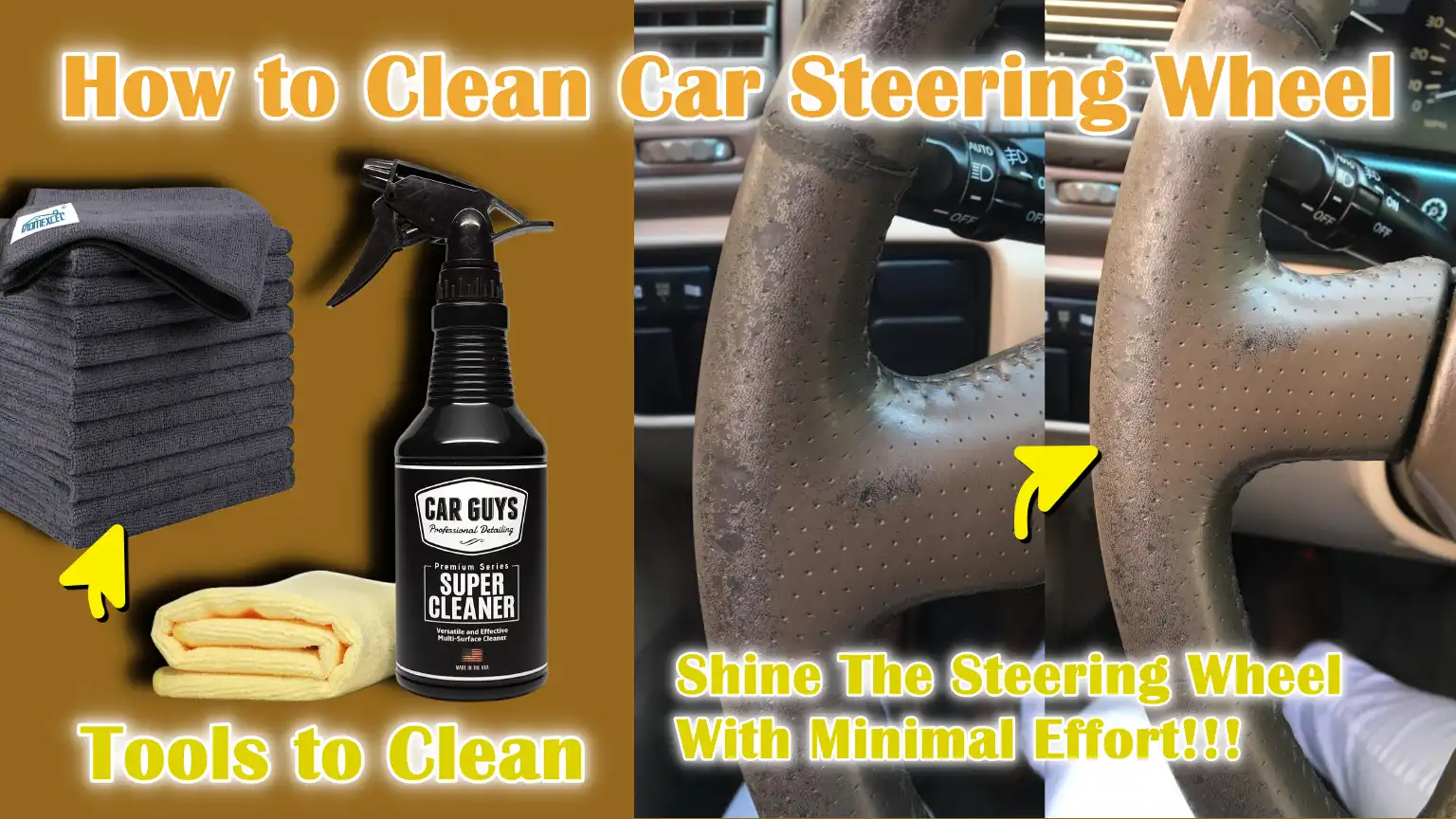
And, to avoid these things and prevent it from looking dirty as hell, you just need to learn How to Clean Car Steering Wheel, as you’ll learn about the right method and right material to remove the grime because only that way you can preserve the texture, comfort and durability of your vehicle’s steering wheel.
What are The Common Types of Car Steering Wheels
1. Leather Steering Wheel
Leather steering wheels are commonly found in premium and mid-range vehicles because they offer a soft feel, good grip and a high-quality look.
Natural leather is somewhat porous, meaning it absorbs sweat, hand oils, dirt and moisture over time.
This is why leather steering wheels can become shiny, sticky, or slippery if not cleaned regularly.
Heat and sunlight can also dry out the leather, leading to cracking, fading and hardening.
Proper cleaning removes surface dirt, while regular conditioning maintains softness, comfort and long-lasting durability.
It’s important to understand that leather is a natural material, so harsh cleaners or excessive water can cause permanent damage to its surface.
2. Synthetic Leather/PU, Vinyl Steering Wheel
Synthetic leather steering wheels, often made from polyurethane (PU) or vinyl, are designed to mimic the look of genuine leather while being more resistant to wear and moisture.
These materials are less porous than genuine leather, meaning they don’t absorb oils and sweat as deeply.
However, dirt and grime can still accumulate on the surface, making the steering wheel feel slippery or sticky.
Over time, exposure to heat and UV rays can cause synthetic materials to harden, crack, or fade.
Properly cleaning these steering wheels maintains a smooth texture, prevents surface cracking and provides a comfortable grip during long drives.
3. Rubber and Plastic Steering Wheels
Rubber and plastic steering wheels are commonly found in older vehicles, entry-level cars and work vehicles.
These materials are durable and moisture-resistant, but their textured surfaces easily accumulate dust, dirt and hand oils.
Over time, rubber can become sticky or greasy, while plastic can lose its original finish and appear faded.
Temperature changes can cause rubber to harden or plastic to discolor.
Regular cleaning removes built-up grime, restores grip and prevents unpleasant odors.
Because these materials are less delicate than leather, they are easier to maintain, but still require proper care to prevent wear and tear on the surface.
4. Steering Wheels with Wood Trim or Carbon Fiber Accents
Steering wheels with wood trim and carbon fiber accents are typically found in luxury or performance vehicles and are often combined with leather or synthetic grips.
The wood sections are usually coated with a protective clear finish, which makes them smooth but also susceptible to scratches and chemical damage.
Carbon fiber is strong and lightweight, but it is also protected by a resin layer that can lose its shine if cleaned improperly.
Dirt and fingerprints are more visible on these surfaces, specially on glossy finishes.
Gentle cleaning is essential to maintain their appearance, preserve the shine and prevent damage to the protective coating.
Proper care ensures that these steering wheels retain their premium look and remain safe and comfortable to use.
Tools
| Tool or Supply | What It Is | Why It Is Needed |
|---|---|---|
| Soft Microfiber Cloth – Lint-Free | A soft fabric made from very fine fibers that do not shed fibers. | It prevents scratches and doesn’t leave tiny fibers. |
| Mild Interior Cleaner or Diluted Soap Solution | Mild car interior cleaner or mild soap mixed with water. | It safely removes grease, germs and dirt. |
| Soft-Bristle Brush or Detailing Brush | A small brush with soft bristles. | It cleans deep grooves, joints and rough areas. |
| Warm Water and Spray Bottle | Fill a spray bottle with lukewarm water. | This loosens the dirt and activates the cleaning agent. |
| Protective Conditioner – Material-Specific | This loosens the dirt and activates the cleaning agent. | This keeps the surface soft and prevents it from drying out or cracking. |
How to Ensure Safety By Taking Precautions Before Cleaning
1. Turn Off the Engine and Remove the Key
Before cleaning the steering wheel, always turn off the engine and remove the key from the ignition.
This simple step minimizes the risk of sudden movement, electrical problems, or accidental activation of the vehicle’s systems.
Modern cars have sensitive electronics in and around the steering wheel, including controls for audio, cruise functions and safety systems.
Cleaning while the car is running can distract the driver and increase the likelihood of accidentally pressing buttons.
Turning off the engine ensures the steering wheel remains stationary, making the cleaning process safer and more controlled.
2. Avoid Excessive Moisture Near Controls and Airbags
The steering wheel contains critical electronic components and airbag systems designed to react instantly in an emergency.
Using too much water or liquid cleaner can allow moisture to seep into buttons, seams, or the airbag compartment, potentially leading to electrical problems or reduced system reliability over time.
Excessive moisture can also cause internal corrosion that may not be immediately visible but can lead to serious problems later.
Applying the cleaner to a cloth rather than directly to the steering wheel helps control moisture and protects sensitive components while still providing effective cleaning.
3. Test Cleaning Products in an Inconspicuous Area
Not all steering wheel materials react the same way to cleaning products, even those labeled as interior-safe.
Testing a small amount of cleaner in a hidden or less visible area helps confirm that it won’t cause discoloration, fading, or damage to the surface.
Some materials can become sticky, discolored, or rough when exposed to the wrong cleaner.
Waiting a short time after the test allows you to check for any adverse reactions before cleaning the entire steering wheel, reducing the risk of permanent damage.
4. Wear gloves when using chemical cleaners
Wearing gloves when using chemical cleaners helps protect your skin from irritation, dryness, or allergic reactions.
Many cleaning products contain active ingredients that can remove oil and bacteria but can also strip your hands of their natural moisture.
Gloves also prevent sweat and skin oils from transferring directly back onto the steering wheel during cleaning.
This simple precaution improves hygiene, protects skin health and helps keep the steering wheel clean for longer after cleaning.
How to Clean a Leather Steering Wheel – Easy Method
1. Removing Loose Dust and Debris
The first step in cleaning a leather steering wheel is to remove loose dust, dirt and small particles from the surface.
These particles may seem harmless, but when rubbed against the leather, they can act like tiny abrasives and gradually damage the surface.
Gently wiping the steering wheel with a clean, dry microfiber cloth removes surface dirt without scratching the leather.
This step prepares the leather for deeper cleaning and prevents dirt from spreading or getting into the pores during subsequent steps.
2. Applying Cleaner Gently with a Microfiber Cloth
Once the loose dirt is removed, a mild, leather-safe cleaner should be applied gently using a slightly damp microfiber cloth.
The cleaner helps break down hand oils, sweat and grease that accumulate over time.
Leather is a natural material, so excessive pressure or harsh chemicals can strip away the essential oils that keep it soft.
Applying the cleaner in light, circular motions lifts dirt from the surface while preserving the leather’s natural texture and suppleness.
3. Using a Soft Brush for Textured or Stitched Areas
Leather steering wheels often have seams, stitching and textured grips where dirt can easily accumulate.
A soft-bristled brush helps clean these areas without damaging the leather or loosening the stitching.
Gently brushing allows the cleaner to reach into small crevices and uneven surfaces where a cloth might not be effective.
This step improves overall cleanliness and prevents deep buildup around the stitching that can make the steering wheel look worn.
4. Wiping Away Residue and Thorough Drying
After cleaning, it’s crucial to remove any remaining cleaner or moisture to protect the leather.
Wiping the steering wheel with a clean, dry microfiber cloth helps prevent residue from drying on the surface, which can lead to a sticky or slippery feel.
Proper drying also reduces the risk of moisture being absorbed into the leather, which can cause long-term damage such as hardening or cracking of the surface.
5. Conditioning to Maintain Softness and Prevent Cracking
Conditioning is a vital final step that helps restore moisture lost during cleaning and everyday use.
A leather conditioner designed for automotive interiors replenishes natural oils, keeping the leather soft and comfortable to the touch.
Regular conditioning reduces the likelihood of cracking, fading and hardening caused by heat and sunlight.
When done correctly, this step improves grip, extends the life of the steering wheel and keeps it looking clean and well-maintained.
How to Clean a Synthetic, Plastic, or Rubber Steering Wheel
1. Wiping the Surface with a Lightly Damp Microfiber Cloth
Cleaning a synthetic, plastic, or rubber steering wheel begins with wiping the surface with a lightly damp microfiber cloth.
These materials don’t absorb moisture like natural leather, but they easily accumulate dust, sweat and light grime.
A damp cloth helps to loosen this light dirt rather than spreading it around or pushing it deeper into textured areas.
This step removes surface contaminants and prepares the steering wheel for deeper cleaning, while also protecting the finish from scratches.
2. Using a Mild Cleaner for Grease and Grime Buildup
Hand oils and daily use often create a greasy film on synthetic and rubber steering wheels, specially in areas where hands rest most frequently.
Using a mild interior cleaner or diluted soap helps to safely remove this oily residue.
Harsh cleaners can strip protective coatings or cause discoloration and hardening over time, so gentle products are best.
Applying the cleaner to the cloth rather than directly to the steering wheel provides better control and reduces the risk of liquid reaching buttons or electronic controls.
3. Gently Scrubbing Grooves and Seams
Synthetic and rubber steering wheels often have textured patterns, seams, or molded grooves to improve grip.
These areas trap dirt more easily than smooth surfaces.
Gently scrubbing with a soft brush helps to dislodge dirt from these tight spaces without damaging the material.
Light pressure is essential, as aggressive scrubbing can smooth out the texture or damage the surface.
Proper cleaning of these areas provides comfort in both cleanliness and grip.
4. Washing and Thorough Drying
After cleaning, any remaining soap or cleaner residue should be removed to prevent a sticky or slippery feel.
Wiping the steering wheel with a clean, slightly damp cloth will remove any leftover cleaner.
Thorough drying with a dry microfiber cloth is essential, as residual moisture can attract new dirt and potentially affect surrounding controls over time.
A completely dry surface restores the natural grip and ensures the steering wheel is safe and comfortable to use before driving.
How to Remove Stubborn Grime and Hand Oils
1. Identifying Heavily Soiled Areas
Stubborn grime and layers of hand oils typically accumulate on specific areas of the steering wheel where hands make the most contact.
The top section and side grips are constantly touched, leading to a greater buildup of sweat, skin oils, dust and ambient dirt.
These areas may appear darker, shinier, or stickier than the rest of the wheel.
Identifying these problem areas first allows for targeted cleaning where it’s most needed, rather than over-cleaning already clean sections.
2. Cleaning Gently and Repeatedly Instead of Scrubbing Hard
The best approach to removing tough grime is patience rather than force.
Repeated, gentle cleaning allows the built-up layers of oil to break down gradually without damaging the surface.
Aggressive scrubbing can wear down protective layers, flatten textures, or cause cracking over time, specially on leather and synthetic finishes.
Gentle, repeated wiping allows the cleaner to work effectively while preserving the grip’s comfort and the surface’s integrity.
3. Avoiding Abrasive Pads or Harsh Solvents
While abrasive pads and harsh chemical solvents may seem effective at removing stubborn grime, they can permanently damage the steering wheel’s material.
Abrasive tools can scratch surfaces, remove protective coatings and leave the wheel feeling rough or uneven.
Harsh solvents can dry out materials, cause discoloration, or create a slippery finish.
Using mild cleaners and soft tools ensures that grime is safely removed without compromising the steering wheel’s longevity or driving safety.
4. Drying Thoroughly to Prevent Residue Buildup
After removing dirt and oil, thorough drying is a crucial final step.
Any remaining moisture or cleaner residue can attract new dirt and leave the steering wheel feeling sticky or greasy.
Drying thoroughly with a clean microfiber cloth helps restore a natural, comfortable grip.
A completely dry surface also prevents residue buildup, ensuring the steering wheel doesn’t look dirty again immediately after cleaning.
Read More:
How to Disinfect Your Steering Wheel – Safe Process
1. The Difference Between Cleaning and Disinfecting
Cleaning and disinfecting sound similar, but they are not the same.
Cleaning removes visible dirt, hand oils, sweat and grime from the steering wheel surface, making it look and feel clean.
Disinfecting goes a step further by reducing bacteria and germs that are invisible to the naked eye.
A steering wheel may look clean but still harbor germs because it is touched multiple times a day.
For best results, the steering wheel should always be cleaned first, as disinfectants are more effective on surfaces free of dirt and grease.
2. Using Interior-Safe Disinfectants
Not all disinfectants are safe for car interiors, specially steering wheels made of leather, synthetic materials, or rubber.
Interior-safe disinfectants are designed to reduce germs while being gentle on surfaces.
Using harsh household disinfectants can strip protective coatings, cause dryness, or leave a sticky residue.
Applying the disinfectant to a cloth instead of spraying it directly onto the steering wheel helps control moisture and protects surrounding buttons and electronic controls.
This method improves safety while still providing effective disinfection.
3. Preventing Surface Damage or Discoloration
Excessive or frequent disinfection can degrade the steering wheel material over time.
Harsh chemicals can cause fading, cracking, or a sticky feel, specially when exposed to heat and sunlight.
Using the right products, light pressure and proper wiping techniques helps maintain the original color and texture.
After disinfection, it’s essential to dry the surface thoroughly to prevent the accumulation of residue, which can make the steering wheel uncomfortable to grip.
4. Disinfection Frequency for Daily Drivers
For vehicles used daily, the steering wheel should be disinfected regularly, but not excessively.
For most drivers, a light disinfection once or twice a week is usually sufficient to maintain hygiene.
Those who share vehicles, drive for extended periods, or frequently eat in their cars may benefit from more frequent disinfection.
Maintaining a balance between hygiene and material care ensures that the steering wheel remains safe, clean and comfortable without unnecessary wear and tear.
How to Dry and Perform Finishing Touches
1. The Importance of Thorough Drying to Prevent Slipping
After cleaning or disinfecting the steering wheel, it’s crucial to ensure the surface is completely dry before driving.
Residual moisture, cleaner, or disinfectant can make the steering wheel slippery, reducing grip and potentially affecting control while driving.
Even a small amount of liquid can accumulate in seams, textured areas, or around buttons, making these areas feel slick.
Thorough drying ensures safety and restores the steering wheel to its natural feel.
2. Buffing with a Clean, Dry Microfiber Cloth
Once the surface is dry, buffing the steering wheel with a clean, dry microfiber cloth helps remove any remaining residue or streaks from the cleaning process.
Microfiber cloths are soft and non-abrasive, making them ideal for restoring a smooth finish.
Buffing also helps to even out the appearance of the steering wheel, giving it a uniform texture and polished look without the need for harsh products.
3. Restoring a Natural, Non-Greasy Finish
The right finishing touches restore the steering wheel’s natural texture and grip.
Overuse of cleaners or conditioners can sometimes leave a greasy or sticky surface, which feels uncomfortable and attracts more dirt.
Gentle buffing after drying balances moisture and oils, leaving the steering wheel feeling soft, clean and non-slippery.
This step helps maintain the material’s appearance while ensuring a comfortable grip for everyday driving.
4. Checking Grip Comfort Before Driving
Before using the vehicle, it’s essential to test the grip of the steering wheel with your hands.
Even after thorough cleaning and drying, some areas might still feel slightly damp or uneven.
Checking the grip ensures that the steering wheel is secure, comfortable and provides proper control.
This final step confirms that the cleaning process has restored both cleanliness and functionality, giving drivers confidence in the safety and comfort of their vehicle.
Common Mistakes That You Should Avoid When Cleaning Your Steering Wheel
1. Using Household Cleaners or High-Alcohol Solutions
One of the most common mistakes when cleaning a steering wheel is using household cleaners, bleach, or high-alcohol solutions.
These products are too harsh for car interiors and can strip protective coatings, discolor the material, or dry out leather.
Even synthetic and rubber wheels can crack or lose their texture when exposed to harsh chemicals.
Using products specifically designed for car interiors ensures effective cleaning without damaging the surface or shortening the lifespan of the steering wheel.
2. Over-Wetting the Steering Wheel Surface
Applying too much water or cleaner directly to the steering wheel is another common mistake.
Excess moisture can seep into electronic controls, buttons and airbag components, leading to malfunctions or corrosion over time.
It can also leave streaks, residue, or a slippery surface that compromises driving safety.
Using a slightly damp cloth instead of applying liquid directly allows for controlled cleaning while protecting both the steering wheel material and internal components.
3. Not Conditioning Leather Wheels
Leather steering wheels require regular conditioning to keep them supple and prevent cracking.
Skipping this step after cleaning removes essential oils that keep the leather flexible.
Over time, neglected leather can become dry, stiff and prone to cracking or fading.
Applying a suitable leather conditioner after cleaning restores natural moisture, maintains grip and extends the lifespan of the steering wheel, while also keeping it comfortable to the touch.
4. Neglecting Stitching and Seams
The stitching, seams and textured areas of a steering wheel are prime areas for dirt, sweat and oil buildup.
Neglecting these areas leaves the steering wheel partially dirty, leading to uneven wear and a sticky or rough feel.
Using a soft brush or gently wiping with a cloth removes dirt from these hidden areas.
Paying proper attention to the stitching and seams ensures thorough cleaning, maintains the integrity of the material and guarantees a consistent grip across the entire steering wheel.
So, How Often Should You Clean Your Steering Wheel?
Even, there’s study at a commercial taxi stand and they found out that steering wheel actually carries extremely high bacterial and fungal loads that includes: known human pathogens such as Staphylococcus aureus and Escherichia coli, that’s how research further confirms that frequently used steering wheels acts as a transporter: as its surface can transfer microbes to hands and it can potentially leads to the faces or other surfaces as well, that’s why it is really important to having clean and disinfected contact points of steering wheel.[¹]
1. Daily Maintenance Wipe
For drivers who use their car daily, a quick daily wipe of the steering wheel can make a significant difference in cleanliness and grip.
Hands naturally contain oils, sweat and small particles of dirt and these accumulate quickly on frequently touched surfaces like the steering wheel.
A wipe with a clean, slightly damp microfiber cloth removes surface dust and light oils, preventing buildup and maintaining freshness.
Daily maintenance is specially important for those who frequently eat in their car, have oily or sweaty hands, or share their vehicle with others.
2. Weekly or Bi-Weekly Deep Cleaning
In addition to daily wiping, the steering wheel should undergo a deeper cleaning at least once a week or every two weeks.
This involves using a mild interior cleaner or soap solution to remove built-up grime, hand oils and residues that a quick daily wipe won’t remove.
For leather steering wheels, this is also a good time to apply a conditioner to replenish natural oils and maintain suppleness.
Regular deep cleaning ensures that dirt doesn’t accumulate in textured areas, seams, or stitching, which can affect grip and the overall lifespan of the material.
3. Seasonal Deep Cleaning Recommended
To address more stubborn dirt and environmental factors, a seasonal deep cleaning is recommended at least once every three to four months.
In the summer, sweat and heat can dry out and make materials like leather sticky, while in the winter, salt or grime from the roads can accumulate on the wheel.
Seasonal cleaning involves thorough care, including detailed brushing of crevices and a complete inspection of the wheel’s condition.
During these sessions, conditioning, polishing and disinfection help maintain the steering wheel’s cleanliness, appearance and longevity.
4. Adjusting Frequency Based on Driving Habits
The ideal cleaning schedule can vary depending on an individual’s driving habits.
Vehicles used for long commutes, ridesharing, or commercial purposes may require more frequent cleaning due to increased use and exposure to dirt.
Similarly, drivers with oily hands, those who perspire heavily, or those who transport pets in their cars may need to clean their steering wheels more often.
Monitoring the steering wheel’s condition and adjusting the cleaning routine based on visible dirt, stickiness, or odors ensures both safety and material longevity, keeping the steering wheel comfortable and hygienic for everyday use.
Easy Tips to Keep Your Steering Wheel Clean for Long Time

1. Wash Your Hands Before Driving
The simplest and most effective way to keep your steering wheel clean is to wash your hands before getting into the car.
Hands carry oils, sweat, dirt and bacteria, which are transferred directly to the steering wheel every time you touch it.
Even a quick hand wash can significantly reduce the amount of grime that accumulates over time.
This small habit helps maintain hygiene, reduces the need for frequent deep cleaning and keeps the steering wheel feeling fresh and comfortable during daily use.
2. Avoid Greasy Lotions or Food Residues
Applying lotions or creams or eating before driving can leave greasy residues on the steering wheel.
These substances attract dust and dirt, making the steering wheel sticky, slippery and difficult to clean.
Avoiding oily products or washing your hands after applying them prevents this buildup.
Similarly, eating or touching the steering wheel with food-stained hands while driving contributes to dirt accumulation, so being mindful of these habits will keep your steering wheel cleaner for longer.
3. Use a Sunshade to Reduce Perspiration
Sunlight heats the steering wheel, specially in warm weather, leading to increased perspiration on the hands.
Sweat contains salts and oils that accumulate on the steering wheel, making it slippery and potentially affecting the grip over time.
Using a sunshade when the car is parked reduces heat exposure, minimizes sweating and keeps the steering wheel cooler.
This simple preventative measure helps maintain the condition of the material and reduces the frequency of necessary cleaning.
4. Develop Regular Interior Maintenance Habit
The overall cleanliness of your car’s interior directly impacts the condition of the steering wheel.
Regular vacuuming, wiping down the dashboard and cleaning the seats prevent dust, dirt and food particles from accumulating on the steering wheel.
Consistent maintenance ensures that the steering wheel is not exposed to excessive grime from surrounding surfaces.
Establishing a regular cleaning routine not only protects the steering wheel but also keeps the entire cabin fresh, clean and pleasant for both the driver and passengers.
Now, Understand When to Get Professional Interior Detailing
1. Excessive Dirt, Odor, or Discoloration
Sometimes, a steering wheel accumulates excessive dirt, persistent odors, or discoloration that cannot be completely removed with regular cleaning.
This often occurs in vehicles that are heavily used, driven by multiple drivers, or not regularly cleaned.
Excessive dirt and grime can build up in seams, textured grips and stitching, making the wheel look worn and feel unpleasant to the touch.
In such cases, professional interior detailing can thoroughly clean these stubborn areas using specialized techniques, restoring the wheel’s appearance and cleanliness.
2. Cracked, Stiff, or Slippery Surfaces
Over time, exposure to sunlight, heat, sweat and improper cleaning can cause steering wheels to crack, stiffen, or become slippery.
These changes not only reduce comfort but can also compromise safety by affecting grip.
Professional detailers have the tools and expertise to safely address these issues, using treatments that repair minor surface damage, restore flexibility to leather or synthetic materials and improve texture so the wheel feels secure and comfortable to grip again.
3. Benefits of Professional Tools and Treatments
Professional detailing offers advantages that are typically not achievable with home cleaning methods.
Detailers use specialized brushes, high-quality cleaning agents and conditioning products designed for different steering wheel materials.
They can access hidden crevices, seams and textured surfaces more effectively than standard household cleaning.
Furthermore, professional treatments often include disinfection, odor removal and protective coatings that extend the lifespan of the steering wheel.
Using these services ensures thorough cleaning, maintains the quality of the materials and preserves both the aesthetics and functionality of the steering wheel for long-term use.
Conclusion – How to Clean Car Steering Wheel
Now, you have understand how important the cleaning of steering wheel is, as it is not just about having good hygiene only; but it actually preserves the material and ensures perfect grip, enhances comfort and durability.
Yes, the steering wheel is one of the most frequently touched surfaces in a car and is exposed daily to sweat, oils, dirt and germs.
So, basically you need a regular cleaning so that you can easily prevents dirt buildup, maintains grip and reduces the risk of bacteria and unpleasant odors.
Also, it is important to understand the type of material the steering wheel is made of – whether leather, synthetic, rubber, plastic, or wood and it helps in choosing the right cleaning products and methods, ensuring durability and comfort.
Not only this, there are simple daily habits like washing hands before driving, avoiding greasy substances and using a sunshade contribute to keeping the wheel clean and extending its lifespan.
So, that’s all from this guide and if you still have doubts, then just comment them down.
Frequently Asked Questions
Q1. How often should I clean my car’s steering wheel?
Answer: The frequency of cleaning your steering wheel depends on how often you use your car and your daily habits. For daily drivers, a light wipe with a clean microfiber cloth every day helps remove dust, sweat and hand oils. A deeper cleaning with a mild cleaner or soap solution should be done weekly or bi-weekly, depending on dirt buildup. Seasonal deep cleaning every three to four months is recommended, specially during hot or cold weather, to prevent dirt, stains, or sun damage. Adjust your cleaning schedule if your steering wheel gets dirty quickly, for example, if you eat in your car, have oily hands, or frequently share your vehicle.
Q2. Can I use household cleaners to clean my steering wheel?
Answer: No, it’s not recommended to use household cleaners, bleach, or products with high alcohol content on your steering wheel. These chemicals can strip the protective coating, dry out leather, cause discoloration and even damage synthetic, plastic, or rubber surfaces. Household cleaners are too harsh for the materials used in car interiors. To safely remove dirt and oil without damaging the steering wheel, it’s best to use products specifically designed for automotive interiors or a mild soap solution.
Q3. How do I safely clean a leather steering wheel?
Answer: First, remove loose dust and dirt with a clean microfiber cloth. Apply a leather-safe cleaner to a damp cloth and gently wipe in a circular motion. For stitching, textured areas and edges where dirt can accumulate, use a soft brush. After cleaning, wipe away any remaining residue and thoroughly dry the surface with a dry cloth. Finally, apply a leather conditioner to replenish natural oils, maintain softness and prevent cracking. Regular cleaning and conditioning will keep your leather steering wheel soft, comfortable and long-lasting.
Q4. What about synthetic, plastic, or rubber steering wheels?
Answer: Synthetic, plastic, or rubber steering wheels are easier to maintain than leather, but they still require proper care. Wipe the surface with a damp microfiber cloth to remove dust and light dirt. For grease and hand oils, apply a mild interior cleaner to the cloth before wiping. Gently clean grooves, edges and textured areas with a soft brush to remove hidden dirt. After cleaning, rinse away any remaining residue with a clean, damp cloth and dry thoroughly. With proper care, these materials maintain their appearance, provide good grip and the surface remains non-slippery or sticky.
Q5. Can I safely disinfect my steering wheel?
Answer: Yes, but it should be done carefully. Disinfecting is different from cleaning because it targets germs and bacteria rather than visible dirt. Use an interior-safe disinfectant suitable for the steering wheel material. Always clean the surface first to remove dirt, then apply the disinfectant gently with a cloth instead of spraying directly. Avoid harsh chemicals that can discolor or damage the surface. After disinfecting, thoroughly dry the wheel to prevent streaks, residue, or moisture buildup.
Q6. What mistakes should I avoid when cleaning my steering wheel?
Answer: Common mistakes include using harsh cleaners or alcohol-based products, oversaturating the surface, skipping leather conditioning and neglecting the stitching or edges. Harsh chemicals can damage the material and excess water can seep into electronic controls or the airbag. Failing to condition a leather wheel leads to dryness and cracking over time. Carefully cleaning the stitching and textured areas ensures no dirt is left behind, keeping the wheel clean and protected.
Q7. How can I keep my steering wheel clean for longer?
Answer: Simple daily habits can significantly reduce dirt buildup. Wash your hands before driving, avoid touching the wheel after applying greasy lotions or eating and consider using a sunshade in hot weather to minimize heat and sweat. Regular interior maintenance, such as cleaning the dashboard and seats, prevents dust and grime from spreading to the steering wheel. These habits help maintain cleanliness, reduce the need for deep cleaning and protect the steering wheel’s material.
Q8. When should I consider professional detailing for my steering wheel?
Answer: Professional interior detailing is recommended if your steering wheel has excessive dirt, strong odors, discoloration, cracks, a sticky or greasy surface, or if regular cleaning doesn’t fully restore it. Detailers use specialized tools and cleaning agents that can reach hidden areas, remove deeply embedded grime, restore the material’s texture and protect the surfaces. Professional treatment can significantly improve your steering wheel’s appearance and longevity.
References:
[1] Assessment of Microbial Contaminations Associated with Steering Wheels and Palms of Commercial Drivers at the University of Cape Coast’s Taxi Rank
https://journalmrji.com/index.php/MRJI/article/view/1225

Guys, I’m a car audio enthusiast and customization expert and I love clear sound and clean installation. Plus, I have spent years helping people build their dream audio setups. And whenever I’m working on cars, I probably listen to music and thinks about the next big upgrade.