
Written By: Don Dodi
Fact Checked By: Kristen Brown
Reviewed By: Diego Rosenberg
Basically it is seen that car owners spends thousands on wheel upgrades and basically they just wanted to change the style and color of the rims and that exact thing you can achieve with Plastic Dip.
Yes, indeed Plasti Dip is most popular and actually budget-friendly way that can transform the looks of your car rims without any kind of permanent changes.
Also, it is originally developed as a rubber coating so to protect the tools, but Plastic Dip quickly become famous in the automotive world as it is truly flexible, peelable and literally gives long-lasting customization when you apply it correctly.
Unlike the power coating or any kind of professional paint jobs that can actually cost hundreds of dollar, instead of this Plasti Dip is surprisingly affordable and completely reversible as well, that allows a car owners to change the colors or return to the factory finish whenever you wanted.
As well as, it provides a protective layer against minor scratches, road salt, brake dust and any kind of harsh weather conditions as well, that makes it truly practical as well as stylish thing to go with.
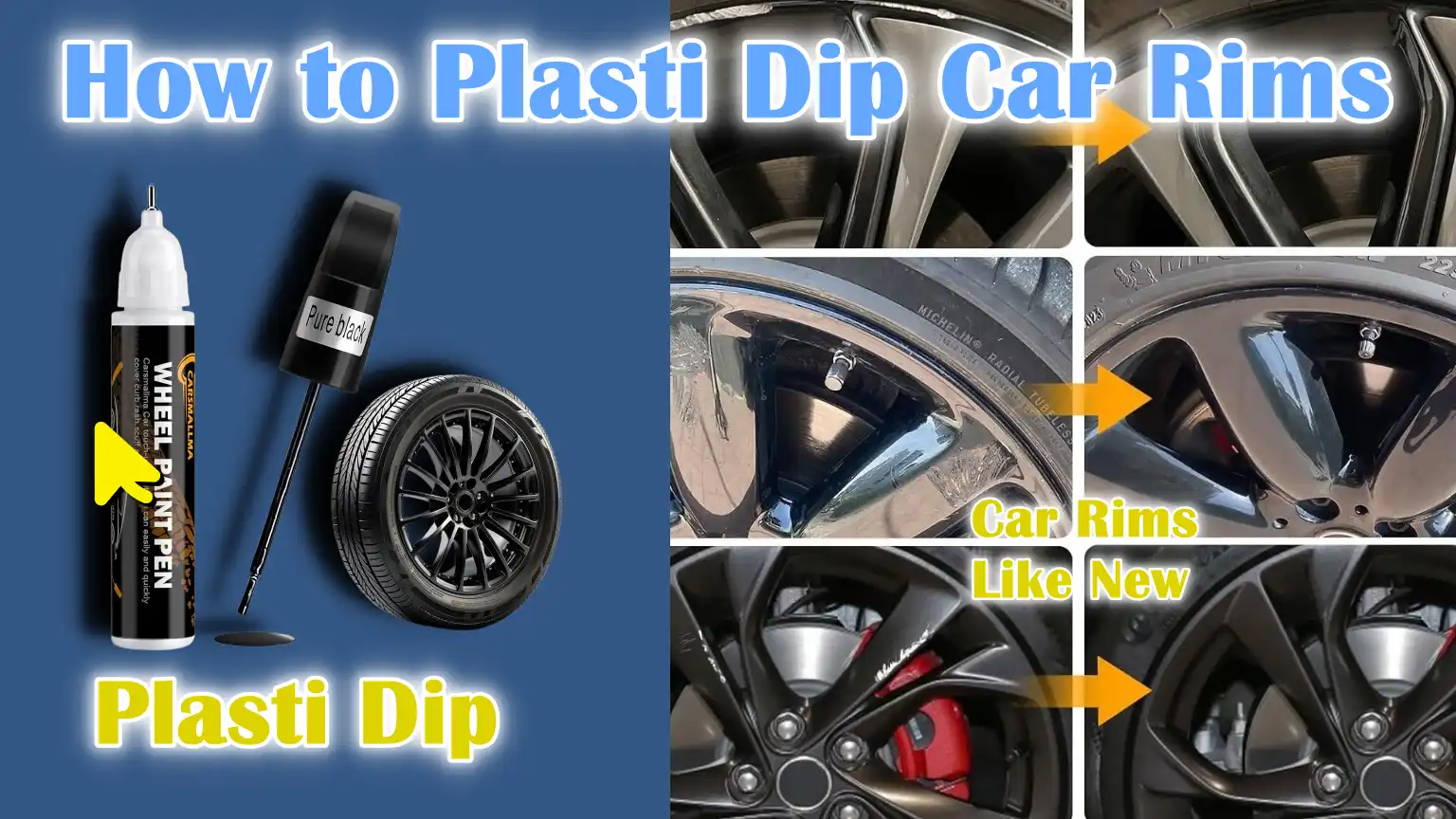
Yes, this guide shows you How to Plasti Dip Car Rims, so that you can even achieve professional-looking results at home with just a few spray cans and some preparation of course and the biggest advantage is that you actually don’t need any kind of advanced skills or expensive equipment as well.
Tools
| Tool / Material | Purpose | Tips / Notes |
|---|---|---|
| Plasti Dip spray cans (4–6 cans) | The main product is to coat and color the rims. | If you have large rims or want to apply multiple coats, use an extra can. Shake well before each coat. |
| Wheel cleaner | Removes dirt, brake dust and grime from rims. | Choose a non-acidic cleaner to avoid damaging the metal’s finish. |
| Microfiber towels | Dry and clean the rims without scratching them. | Soft towels prevent swirl marks and help remove all cleaner residue. |
| Degreaser or rubbing alcohol | Removes oil, grease and residue for improved Plasti Dip adhesion. | Wipe the rims thoroughly and let them dry completely before spraying. |
| Masking tape | Protects tires, brake calipers and surrounding surfaces. | Use high-quality tape to prevent the Plasti Dip from peeling off later. |
| Index cards / Plastic bags | Extra protection for tires and hard-to-reach areas. | Insert a card between the rim and the tire or wrap the tire in plastic to prevent overspray. |
| Tire shine remover | Removes previously applied tire dressing or shine. | Helps Plasti Dip stick properly and prevents an uneven finish. |
| Gloves | Protects hands from chemicals and Plasti Dip. | Disposable or reusable gloves are both fine; they make cleanup easier. |
| Safety mask | Prevents inhalation of fumes from Plasti Dip and cleaners. | To be safe, always wear a mask in a well-ventilated area. |
Basic Preparation Steps You Should Follow
1. Park in a Suitable Location
Before you begin, make sure you park your car in a well-ventilated and dust-free area.
This is important because spraying Plasti Dip works best in clean and dry areas.
A garage or driveway, away from dust, dirt, or strong winds, works best.
Proper ventilation ensures that Plasti Dip fumes don’t accumulate and the coating dries evenly.
Avoid parking under trees or near areas where debris could fall on the rim during the process.
2. Clean the Rims Thoroughly
Cleaning the rims is a crucial step for a smooth and long-lasting finish.
Start by washing the rims with soap and water to remove surface dirt.
Then use degreaser or rubbing alcohol to remove any oil, brake dust, or residue that may prevent the Plasti Dip from adhering.
Clean rims help the coating adhere properly and prevent cracks or uneven spots later on.
Take the time to ensure every corner of the rim is spotless.
3. Dry thoroughly
After cleaning, it’s important to thoroughly dry the rims before spraying.
Moisture or water droplets can cause the Plasti Dip to bubble or prevent it from sticking properly.
If necessary, use a clean microfiber towel and let the rims air dry.
Completely dry surfaces are best for applying multiple, even coats of Plasti Dip.
4. Cover the surrounding areas
Covering the areas around the rim protects the tires, brake calipers and other parts of your car from accidental overspray.
Use index cards or plastic bags to cover the tires and fit them snugly between the rim and the tire edge.
To avoid uneven color or residue, cover the brake calipers and lug nuts, if necessary.
Proper masking ensures a clean, professional finish and makes final cleanup much easier.
How to Apply Plasti Dip
1. Shake the Can Well
Before starting to spray, shake the Plasti Dip can for at least a minute.
This mixes the rubber coating thoroughly and ensures a uniform color and consistency upon application.
Shaking the can thoroughly prevents clogging of the nozzle and reduces the chance of uneven spraying.
Proper can preparation is the first step to achieving a smooth and professional finish.
2. Apply the First Coat as a Tack Coat
Start with a light, thin coat called a tack coat.
This first coat is not meant to completely cover the rim, but rather to create a tacky base for the next coat.
Applying a thin first coat helps the Plasti Dip adhere better and prevents leaks, drips, or uneven thickness.
It’s important not to rush this step, as the tack coat lays the foundation for a durable and smooth final finish.
3. Wait Between Coats
After each coat, wait 10 to 15 minutes before applying the next coat.
This drying time allows the Plasti Dip to set and prevents the layers from loosening or peeling.
Waiting also ensures that each coat bonds well with the previous layer, resulting in a strong and durable finish.
Patience in this step is key to achieving a professional-looking result.
4. Apply Multiple Coats for Durability
For best results, apply four to six coats of Plasti Dip.
Applying multiple coats increases the durability of the coating, making it resistant to minor scratches, road salt and brake dust.
Each coat should be applied evenly to cover all areas to avoid thick spots that could peel.
Consistency in coating thickness is crucial for a long-lasting finish that can withstand normal driving conditions.
5. Rotate the Can to Reach All Surfaces
While spraying, rotate the can and adjust the angle to cover all surfaces of the rim.
This ensures that hidden areas, inside edges and curves are completely coated.
Plasti Dip should be applied evenly to prevent thin spots or uneven color.
Running the can steadily and systematically along the edge helps achieve a smooth, complete and professional-looking result.
How to Dry and Give It Finishing
1. Let the Rim Dry
After applying all layers of Plasti Dip, it’s important to let them dry for at least four hours before touching or handling them.
This initial drying time allows the rubber coating to set slightly and prevents smudges, fingerprints, or uneven spots.
Handling the rim too quickly can damage the new layers and reduce the overall quality of the finish.
2. Let the Coating Dry
For the strongest and most durable finish, let the Plasti Dip dry for 24 hours before driving or exposing the rim to harsh conditions.
Drying allows the rubber coating to fully adhere to the rim’s surface, increasing its resistance to scratches, dirt and weather.
Although the rim may appear dry after a few hours, thorough drying ensures long-term protection and color retention.
3. Carefully Remove Masking Material
Once the coating has dried and hardened, carefully remove the masking tape, index card, or plastic cover.
Doing this slowly helps prevent the edges of the Plasti Dip from cracking or tearing.
Properly removing the masking material creates clean lines around the rims and results in a professional finish.
4. Apply Glossifier for a Shiny Finish – Optional
If you want your rims to look shiny and glossy, you can apply Plasti Dip Glossifier as a final coat.
Glossifier enhances the look of the rims and provides additional protection from dust and light scratches.
It’s not necessary for durability, but it can give the rims a more polished and attractive look.
How to Maintain Plasti Dip for Longer Period of Time
1. Clean Gently
To maintain the beauty and durability of your Plasti Dip rims, clean them regularly with mild soap and water.
Using gentle cleaning methods prevents damage to the rubber coating and helps preserve the color and finish.
It’s recommended to use a soft microfiber towel or sponge to avoid scratching the surface.
Regular cleaning also prevents the buildup of brake dust, dirt and grime, which can affect both their appearance and lifespan.
2. Avoid Harsh Chemicals
It’s important to avoid using harsh chemicals, solvents, or abrasive cleaners on Plasti Dip rims.
Substances like brake cleaner, paint thinner, or strong degreasers can damage the rubber coating and cause peeling, discoloration, or uneven surfaces.
By cleaning with mild soap and water, you protect the finish and extend its life.
3. Reapply or peel off as needed
A major advantage of Plasti Dip is that it’s completely removable and customizable.
If the coating begins to wear or you want a new color, you can simply peel off the old layer and apply a new one.
This flexibility allows car owners to experiment with different looks without investing in permanent painting or powder coating.
Regular maintenance and periodic reapplication ensures your rims always look clean, shiny and professionally maintained.
Read More:
How to Maintain The Plasti Dip Car Rims
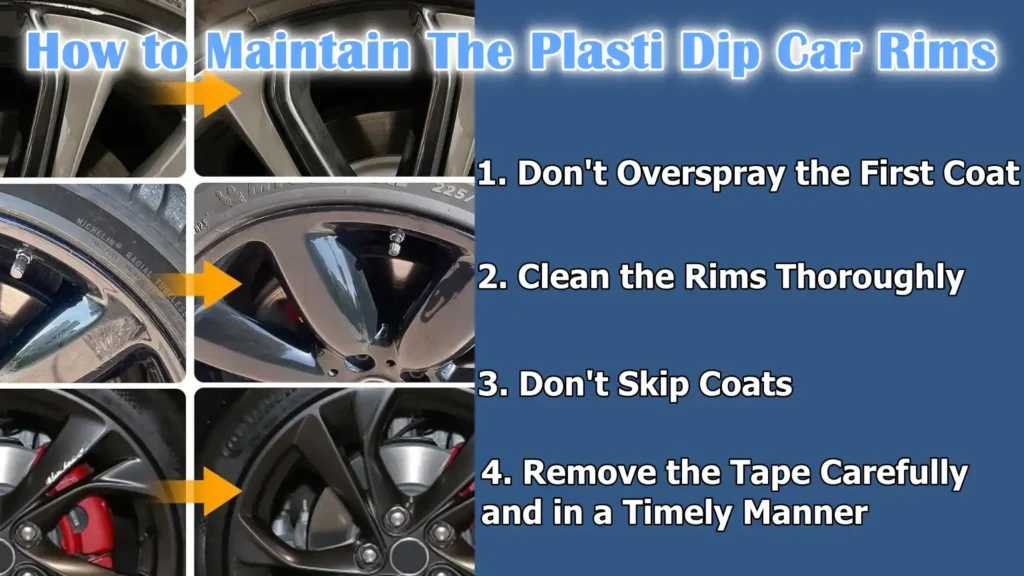
1. Don’t Overspray the First Coat
One of the most common mistakes when applying Plasti Dip is overspraying the first coat.
Applying a too-thick first coat can cause streaks, drips and uneven surfaces that are difficult to repair later.
The first coat should always be light and thin, acting as a tack coat to help subsequent coats adhere properly.
Patience during the initial spray can lay the foundation for a smooth and durable finish.
2. Clean the Rims Thoroughly
Skipping the cleaning step or not thoroughly cleaning the rims is also a common mistake.
Any dirt, grease, or brake dust left on the rims can prevent the Plasti Dip from adhering properly, often leading to peeling or uneven coverage.
Taking the time to clean the rims with soap, water and degreaser ensures proper adhesion and long-lasting coating.
3. Don’t Skip Coats
Applying fewer coats than recommended reduces the durability and protection of Plasti Dip.
Each coat contributes to the thickness, flexibility and strength of the finish.
Missing coats can leave thin areas that are prone to scratching, discoloration, or peeling.
Applying the recommended 4 to 6 coats provides long-lasting results.
Now, there’s a technical data sheet that shows, Plasti Dip is an air-dry synthetic rubber coating which is engineered to resist moisture, abrasions and weathering as well, also you should follow the manufacturer’s preparation and coat guidelines which is really essential to achieve the long-lasting durability.[¹]
4. Remove the Tape Carefully and in a Timely Manner
Removing masking tape or protective coating too late can cause the edges of the Plasti Dip to peel.
It’s important to carefully remove the tape before the coating is completely dry, but dry enough to hold its shape.
Removing it at the right time can prevent damage to the edges and maintain clean, crisp lines around the edges.
Conclusion – How to Plasti Dip Car Rims
Because of the Plasti Dip you can do customization even non-permanent way and it is not expensive as well, basically it offers flexibility, protection and style at the same time and even it is really easy to apply coat as well.
Unlike traditional paint or powder coating, Plasti Dip can be peeled off, repositioned and allows you to experiment with different colors without hassle.
Proper preparation, careful application and attentive maintenance result in a smooth, durable finish that can last for years.
By avoiding common mistakes like overspraying, skipping coats, or not cleaning the rims, you can achieve professional, long-lasting results at home.
This method not only enhances your car’s visual appeal but also protects rims from scratches, road debris and weather damage, making it a practical and stylish option for any car enthusiast.
With patience, the right tools and step-by-step care, Plasti Dip offers a simple yet effective way to give your car a personalized, fresh and professional look.
So, that’s all from this one and if you still have confusion about anything, then you can comment down below this guide.
Frequently Asked Questions
Q1. What is Plasti Dip and why is it used on car rims?
Answer: Plasti Dip is a liquid rubber coating that can be sprayed onto surfaces like car rims. It is used because it is affordable, flexible and easily peelable, allowing car owners to change the appearance of their rims without any permanent changes. It also protects rims from dirt, scratches, road salt and minor damage, making them both practical and attractive to look at.
Q2. How long does Plasti Dip last on car rims?
Answer: After applying several coats and thoroughly drying, Plasti Dip can last one to three years on rims. The exact duration depends on driving conditions, climate and rim maintenance. Frequent cleaning with mild soap and water and avoiding harsh chemicals helps prolong the coating’s lifespan.
Q3. Can I remove Plasti Dip from my rims?
Answer: Yes, one of the main advantages of Plasti Dip is that it peels easily. When you want a new color or finish, you can carefully peel off the existing coating without damaging the rims underneath. Proper application and even coats make the peeling process easier and cleaner.
Q4. Do I need professional equipment to apply Plasti Dip rims at home?
Answer: No, professional equipment is not required. All you need is a Plasti Dip spray can, cleaning supplies, masking tape and protective materials like index cards or plastic bags. With patience, careful preparation and following step-by-step instructions, you can achieve a smooth, professional-looking finish at home.
Q5. How many coats of Plasti Dip should I apply to rims?
Answer: For best results, four to six coats are recommended. The first coat should be thin and act as an adhesive coat, while subsequent layers will increase in thickness for durability. Applying multiple coats ensures even coverage, reduces the risk of cracking and strengthens the finish against wear.
References:
[1] PLASTI DIP® PLASTI DIP MULTI-PURPOSE RUBBER COATING
https://www.plastidip.co.uk/wp-content/uploads/2015/01/PlastidipTDS.pdf

Guys, I’m a car audio enthusiast and customization expert and I love clear sound and clean installation. Plus, I have spent years helping people build their dream audio setups. And whenever I’m working on cars, I probably listen to music and thinks about the next big upgrade.