
Written By: Don Dodi
Fact Checked By: Kristen Brown
Reviewed By: Diego Rosenberg
The wiper blades of Jeep Wrangler actually faces tougher situations as it needs to clear off red desert dust to brushing away thick layers of snow after a mountain trail as well, that’s why it needs to be truly durable and full of features that can handle this extreme situations easily.
That’s why most of the Jeep Wrangler windshield wipers are actually designed for rugged terrains and unpredictable weather so that they can handle everything from thick mud and heavy rain.
It is true that a clean, clear windshield is not just about visibility, but it also gives you great reaction time, safety and driving control.
Not only this, there is a study by the SAE which shows that poor visibility due to the ineffective wipers can actually reduce a driver’s reaction time by up to 20%, which is really critical on of-road trails or highways.
As well as, you should replace wiper blades for Jeep Wrangler in every 6 to 12 months, or you can inspect them at the regularly basis if you drive more frequently.
Even there are different kinds of Jeep Wrangler generations such as the JL, JK, TJ and YJ and they have unique windshield designs and sizes, that’s why you needs to be really careful while choosing the correct wiper type that fits your vehicle best.
And that’s why we have come up with these 5 Best Windshield Wipers for Jeep Wrangler that are fully compatible and durable enough to handle difficult journeys and keeps it safe.
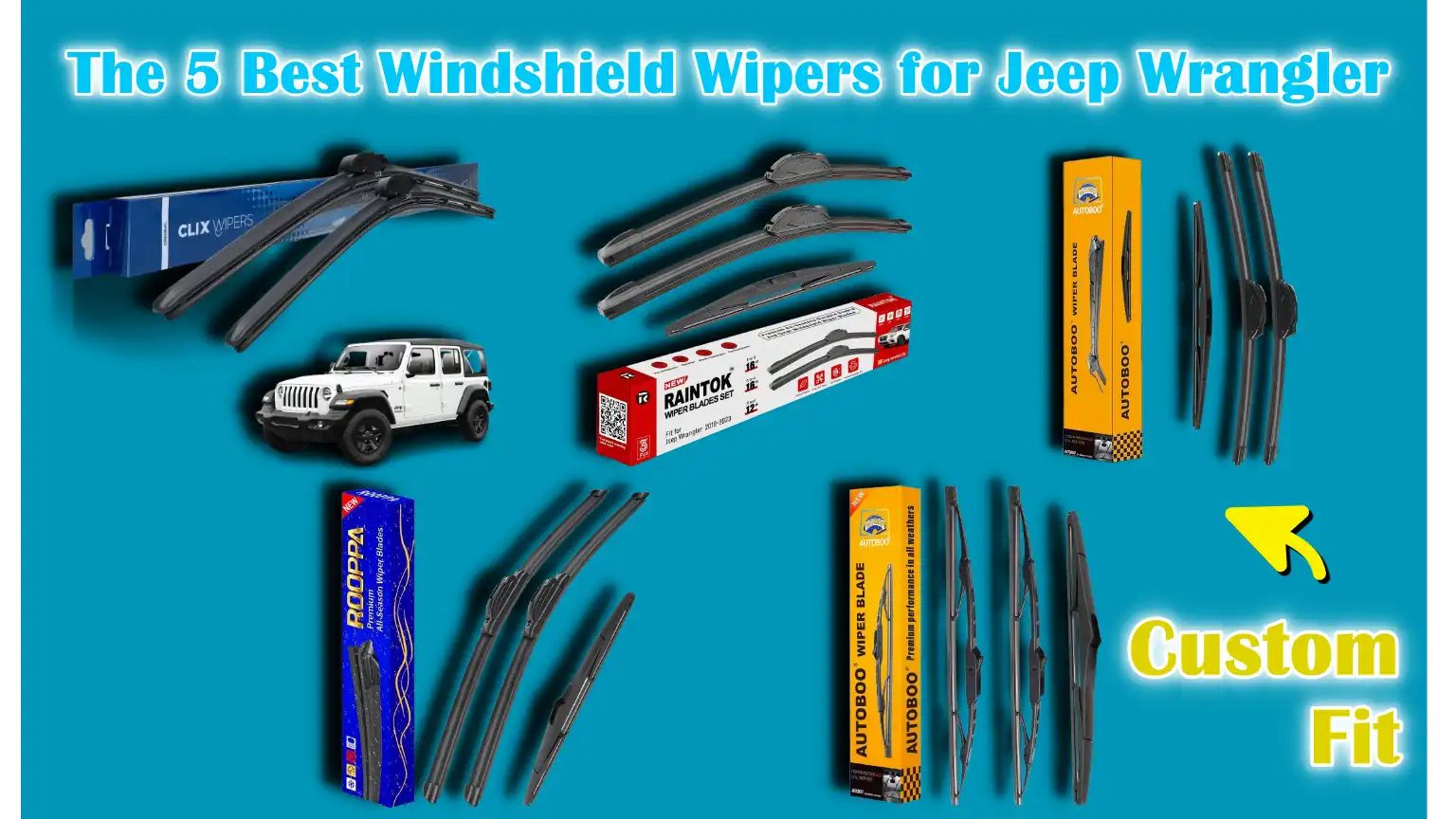
The 5 Best Windshield Wipers for Jeep Wrangler – Truly Protective In All-Weather
The design and build quality that really matters if you wanted to have windshield wipers for Jeep Wrangler as they are meant to be handle rough part of the weather easily and that what these wipers does.
#1. Clix Wipers

The Clix Wipers are the designer of this high-performance windshield wipers for Jeep Wrangler from 1997 to 2025.
As well as, these are constructed in a way that provides consistent pressure and superior wiping performance on the windshield surface.
The reliability is ensured by the high-quality materials that can handle harsh weather conditions and demanding terrains and even it doesn’t compromise with the visibility at all.
#2. Raintok

Now, Raintok comes with this true water repellent windshield wipers for Jeep Wrangler JL that is suitable for 2018 to 2023 JL models.
The blades are actually made from the high-quality rubber materials with stainless steel that makes them to repel water and also reduces streaking and improve the performance in the wet conditions.
This wiper blades actually performs well on the windshield of the jeep wrangler because they provides excellent performance on muddy or dusty trails.
#3. AUTOBOO

Now, AUTOBOO comes with this ultra-protective wiper blades that fully supports Jeep Wrangler JL from 2018 to 2023 models.
Even these blades provides quiet performance as it has nice pressure distribution that ensures full windshield coverage and doesn’t leaves a streaks of gaps as well.
It is made from the durable materials such as: high quality rubber and stainless steel materials and combination of these materials actually provides reliability and durability to bear the all-weather conditions quiet effortlessly.
#4. Rooppa
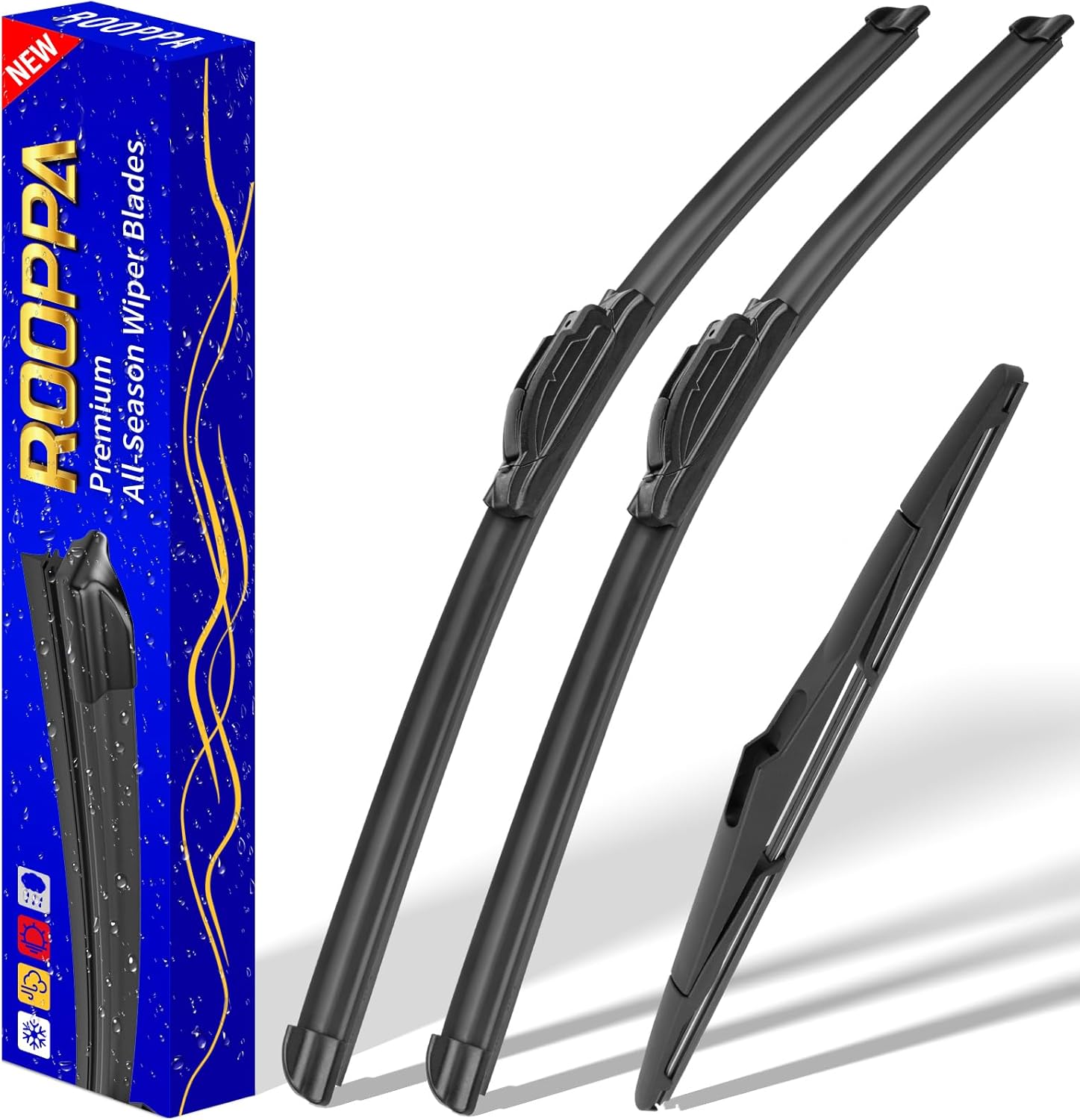
So, this high performance Jeep Wrangler windshield wiper comes from the Rooppa which is known for their premium quality construction that provides durability and flexibility both.
Also, you can replace them with your older Jeep Wrangler’s windshield wipers in a easy way, as you just need to plug them and that’s all.
The rubber and stainless steel material makes them durable and all-weather wiper blades as they keeps the windshield clear in rain, snow and dusty conditions as well.
#5. AUTOBOO

AUTOBOO comes with this specifically designed windshield wipers for Jeep Wrangler from 2007 to 2017 which is why the fitment won’t be the difficult part for this one.
Plus, the perfect fitment makes the movement reliable and that’s why it gives true performance in all-weather conditions.
Understand About Jeep Wrangler Windshield Wipers
1. How Windshield Wipers Work on the Wrangler’s Windshield Design
The Jeep Wrangler’s windshield wipers are designed to remove water, dirt and debris from the glass to maintain clear visibility while driving in all conditions.
They operate through a simple yet effective mechanical system powered by an electric motor that oscillates the wiper arms back and forth.
In the Wrangler, this system is engineered to handle harsh environmental conditions, as Jeep drivers often face mud, dust and inclement weather.
The wiper motor, linkage and arms are built to exert strong pressure on the windshield, ensuring the rubber blades maintain full contact with the glass, even when the vehicle is bouncing or tilted on uneven terrain.
Unlike many passenger cars with curved windshields, the Jeep Wrangler’s nearly flat windshield means the wipers need to maintain consistent contact without relying on curvature for pressure distribution.
This makes proper wiper design and material quality particularly crucial for effective cleaning and long-lasting performance.
2. Common Wiper Sizes for Different Jeep Wrangler Models and Years
The Jeep Wrangler has gone through several generations and each has slightly different windshield dimensions requiring specific wiper sizes.
The most recent Jeep Wrangler JL (2018–present) typically uses 16-inch wiper blades on both sides for the front windshield.
The Wrangler JK (2007–2018) also uses 16-inch blades, while older TJ models (1997–2006) typically require 13-inch or 15-inch blades depending on the trim and windshield configuration.
Even older models like the YJ (1987–1995) generally use 13-inch wipers.
For Wranglers equipped with a rear window wiper, specially hardtop models, the size can vary from 10 to 12 inches.
Because these measurements are crucial for full windshield coverage and proper operation, always check your vehicle manual or measure your current blades before replacing them.
Installing the correct size ensures the wipers move smoothly across the entire glass area without skipping, streaking, or damaging the wiper arms.
3. How the Flat Windshield Design Affects Wiper Selection and Performance
The Jeep Wrangler’s windshield is nearly flat compared to most modern SUVs, which have curved windshields designed to improve aerodynamics.
This flat design gives the Wrangler its classic rugged look and off-road practicality, but it also impacts wiper performance.
Because the glass lacks a curve, the wiper blades must maintain consistent pressure on a level surface to avoid gaps in cleaning.
Regular or standard curved blades can leave streaks or miss small areas when used on a flat windshield, which is why many Wrangler owners prefer beam-style or hybrid wipers that maintain more consistent contact.
The flat windshield also increases the surface area exposed to wind, dirt and flying debris, which can cause the rubber blades to wear out more quickly.
This makes durable construction and high-quality rubber compounds even more crucial for Jeep owners who frequently drive in off-road conditions or inclement weather.
4. Why Jeep wipers face unique challenges compared to other vehicles
Unlike vehicles primarily driven on city streets or highways, Jeep Wranglers are built for off-road challenges – and their wipers face similarly demanding conditions.
Whether navigating deep mud, dusty trails, heavy rain, or snow-covered roads, the wipers are constantly exposed to abrasive and sticky substances that can quickly degrade the blade edges.
Fine sand and dust particles, if not regularly cleaned, can cause tiny scratches on the windshield and reduce the effectiveness of the blades.
In muddy or sandy conditions, it’s essential to wash the windshield before using the wipers to prevent debris from grinding against the glass.
Furthermore, Wranglers often have more upright windshields that catch more dirt and rain, meaning the blades are used more frequently and under greater stress than those on lower-profile cars.
This increased exposure leads to faster wear and tear, making regular inspection and timely replacement essential.
Due to these conditions, Jeep owners benefit from choosing high-quality, weather-resistant wiper blades that can withstand constant exposure to UV rays, mud and moisture without cracking or hardening.
Now, Learn About Jeep Wrangler Wiper Blade Sizes by Model Year
1. Jeep Wrangler JL (2018–present)
Introduced in 2018, the Jeep Wrangler JL uses approximately 16-inch wiper blades on both the driver and passenger sides.
These wipers are specifically designed to fit the JL’s slightly larger and more upright windshield, which offers improved aerodynamics compared to the previous model while still maintaining the classic Wrangler shape.
The wiper arms on this model are constructed with robust pivot joints to handle off-road vibrations and wind pressure.
Some JL models that include a rear window, such as the hardtop version, utilize a 12-inch rear wiper blade.
It’s crucial to choose wipers labeled for the JL generation to ensure proper fit and locking mechanism, as the connector design differs from older Wrangler models.
2. Jeep Wrangler JK (2007–2018)
The Wrangler JK, produced from 2007 to 2018, also uses 16-inch wiper blades on both the driver and passenger sides.
These blades are optimized for the JK’s flatter windshield and are expected to withstand harsh external elements such as rain, mud and dust during frequent off-road use.
The rear wiper on JK hardtop models is typically also around 12 inches, similar to the JL.
Although the size appears the same as the JL, the arm design and connector type are slightly different, meaning blades designed for the JL will not fit properly on the JK.
Verifying compatibility before purchasing replacement blades helps ensure correct installation and complete windshield coverage.
3. Jeep Wrangler TJ (1997–2006)
The Jeep Wrangler TJ features a more compact windshield compared to later generations and typically requires 13-inch or 15-inch blades depending on the year and trim level.
The TJ’s windshield design is almost completely flat, which places greater emphasis on the quality and pressure distribution of the wiper blades.
Using wiper blades even an inch too long can cause the blades to hit the frame or leave uncleared areas in the corners.
For hardtop TJs, the rear window wiper is typically 10 inches long.
Because TJ models are often exposed to dust and mud during off-roading, many owners prefer heavy-duty beam-style wipers that provide consistent contact on the flat glass.
4. Jeep Wrangler YJ (1987–1995)
The Jeep Wrangler YJ, the first generation with square headlights, uses 13-inch wiper blades on both the driver and passenger sides.
The YJ’s windshield is the flattest of all Wrangler generations and its wiper system is entirely mechanical with very little electronic control.
The shorter blades are specifically designed to match the smaller windshield height and width, ensuring full coverage without overlap or interference with the hood line.
For YJ models with a hardtop version, a 10-inch blade is typically correct for the rear wiper.
Given the age of the vehicle, YJ model owners should always check the condition of the wiper arms and motor linkage when replacing blades, as these parts can wear out over time and affect the performance of new blades.
5. How to Verify the Correct Size Before Buying
Before purchasing new wiper blades for any Jeep Wrangler model, it’s always best to confirm the correct size using several reliable methods.
The easiest way is to check the owner’s manual, which will list the correct blade length for both the front and rear wipers.
You can also measure the existing blades from end to end or look for a size number printed on the blade itself.
Many auto parts stores and online retailers offer compatibility tools where you can enter your Jeep’s model year and trim to get a size recommendation.
It’s important not to assume that wiper blades of the same size from other vehicles will fit the Wrangler, as the mounting mechanisms and pressure points vary depending on the model and generation.
Choosing the correct size ensures consistent wiping, prevents streaking and avoids potential mechanical stress on the wiper arms or motor.
Basic Types of Windshield Wipers for Jeep Wrangler
1. Conventional Wipers
Conventional wipers are the most common and budget-friendly type, used on many vehicles, including older Jeep Wrangler models.
They consist of a metal or steel frame that holds a rubber wiping element, which pivots back and forth across the windshield to clear water and debris.
The frame uses multiple pressure points to keep the rubber blade in contact with the glass.
However, because the Jeep Wrangler’s windshield is fairly flat and often exposed to mud and dust, conventional wipers may not always provide consistent pressure across the entire surface.
Over time, dirt and debris can accumulate in the metal frame’s joints, leading to uneven wiping or streaking.
These wipers are best suited for drivers who primarily operate their Wrangler in mild weather conditions and prefer an economical replacement option.
Regular cleaning and replacement every six to nine months can help maintain their performance.
2. Beam Wipers
Beam wipers are designed without an external metal frame, utilizing a curved piece of flexible rubber or silicone to maintain consistent pressure along the entire length of the blade.
This design provides better contact with both curved and flat windshields, making them highly effective for the Jeep Wrangler, specially in heavy rain or muddy conditions.
Beam wipers also resist wind lift at higher speeds and are less prone to freezing in cold conditions because they lack exposed joints.
Their construction typically incorporates advanced rubber compounds or coatings such as graphite or silicone that help the blade glide smoothly and last longer.
Although beam wipers are generally more expensive than conventional wipers, their durability and superior cleaning performance make them a popular choice among Wrangler owners who frequently drive off-road or in challenging weather conditions.
3. Hybrid Wipers
Hybrid wipers combine the advantages of conventional wipers with the aerodynamic and pressure benefits of a beam-style design.
They feature a protective outer shell that shields the inner frame from dirt, snow and corrosion, while still utilizing a flexible rubber edge that conforms to the shape of the windshield.
For the Jeep Wrangler, hybrid wipers offer an ideal balance between price, durability and performance.
They are particularly effective for Wranglers with flat windshields because they maintain consistent pressure even when the vehicle is exposed to wind, dust and mud.
The added cover also prevents debris from accumulating that could hinder movement.
While they may be slightly heavier than beam wipers, their improved flexibility and longevity make them a practical option for drivers seeking reliability in varying driving environments.
4. Winter Wipers
Winter wipers are specifically designed for extremely cold weather conditions where snow, sleet and ice can reduce visibility and damage standard wiper blades.
They are encased in a thick rubber or silicone casing that prevents ice buildup around the joints and ensures smooth operation even in freezing temperatures.
For Jeep Wrangler owners who live or travel in snowy regions, winter wipers are a worthwhile investment.
The enclosed design keeps the blade flexible and prevents ice from accumulating, which can add weight to the wiper.
Because Wranglers often face harsh weather conditions and are popular on mountainous or off-road winter trails, these blades help maintain clear visibility even in the worst conditions.
The main drawback of winter wipers is that they can be bulky and less aerodynamic, making them less efficient in warmer months.
Many drivers switch to regular or hybrid wipers when the cold weather ends to extend the life of their winter blades.
5. Pros and Cons for Wrangler Owners
Each type of wiper has its own strengths and limitations, depending on where and how the Jeep Wrangler is driven.
Traditional wipers are inexpensive and easy to replace but wear out quickly in off-road or dusty conditions.
Beam wipers provide consistent pressure and smooth performance in all weather conditions but are more expensive.
Hybrid wipers strike a balance between durability and flexibility, offering long-lasting performance for both city and trail driving.
Winter wipers are essential for extremely cold weather but don’t perform as well in warmer weather due to their bulky design.
For most Wrangler owners who use their vehicle year-round, beam or hybrid wipers offer the best overall results, providing durability, adaptability and clear visibility in all the conditions the Jeep is designed for.
How to Choose the Right Wiper Blades for Your Jeep Wrangler
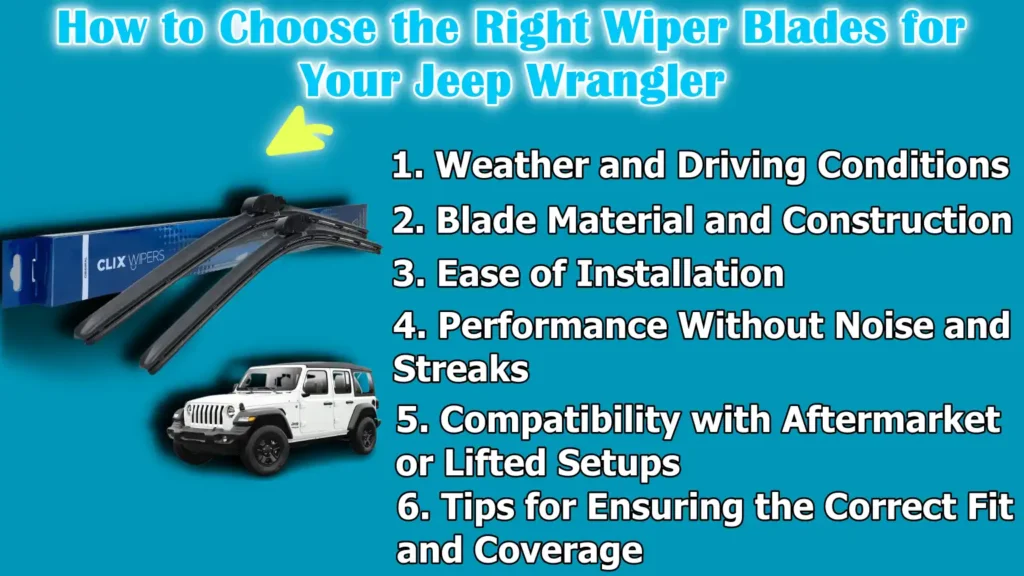
1. Weather and Driving Conditions
The first factor to consider when choosing wiper blades for your Jeep Wrangler is the weather and the type of driving you frequently do.
In areas with heavy rain, mud, or frequent off-road driving, robust, durable wiper blades with a beam or hybrid design are ideal as they maintain full contact with the flat windshield and prevent streaking.
For snowy or icy areas, specialized winter blades with protective rubber or silicone casings are essential to prevent freezing and ensure smooth operation.
In dry, dusty climates, wiper blades made from durable materials that resist cracking and can effectively clear sand and debris are recommended.
Matching your wiper blades to your typical driving conditions ensures clear visibility and minimizes wear and tear, improving safety and extending blade lifespan.
2. Blade Material and Construction
Wiper blades are primarily made from rubber or silicone, with each material offering different advantages.
Rubber blades are generally more economical and perform well in moderate conditions but can deteriorate quickly when exposed to extreme sunlight, mud, or debris.
Silicone blades are more durable, resisting cracking and UV damage and glide smoothly across the windshield in both hot and cold weather.
The construction of the blade is equally important; beam-style blades provide even pressure across the windshield, while traditional frames may have uneven contact on a flat Wrangler windshield.
Choosing the right material and design helps maintain streak-free visibility, reduces noise and ensures the blades can handle the specific conditions Jeep owners face.
3. Ease of Installation
Ease of installation is another important consideration for Jeep Wrangler owners who often perform maintenance themselves.
Most modern wiper blades come with universal adapters that fit standard Jeep wiper arms, but some high-performance or OEM blades have specialized connectors.
Ensuring the blades are easy to install saves time and reduces the risk of improper attachment, which can lead to wiper malfunction or incomplete coverage.
Carefully reading the manufacturer’s instructions and confirming compatibility with your Jeep model ensures a smooth installation process.
4. Performance Without Noise and Streaks
A good wiper should operate quietly and provide streak-free performance, which directly impacts driving comfort and visibility.
Noisy wipers can distract the driver, specially in heavy rain or off-road conditions where concentration is crucial.
Streaks occur when the blade fails to maintain consistent contact with the windshield or if the rubber is worn or hardened.
Choosing blades with advanced coatings, flexible frames, or beam designs can minimize streaking and reduce noise, resulting in a clearer windshield and improved overall safety.
5. Compatibility with Aftermarket or Lifted Setups
Many Jeep Wrangler owners modify their vehicles with aftermarket lifts, larger tires, or custom windshields.
These modifications can alter the windshield angle and height, potentially affecting wiper performance.
It’s essential to choose wipers that are compatible with these setups to maintain proper sweep coverage.
Beam-style or adjustable hybrid blades are often recommended for lifted Wranglers because they can adjust to the windshield angle while maintaining consistent pressure.
Ensuring compatibility prevents missed areas, streaking and potential damage to the wipers.
6. Tips for Ensuring the Correct Fit and Coverage
Before purchasing new wiper blades, measure your existing blades to determine the correct length for your Jeep Wrangler model and generation.
Ensure the connector type matches your wiper arms and check the manufacturer’s specifications for both the front and rear blades.
Installing the blades and testing their full range of motion ensures they cover the entire windshield without hitting the frame or hood.
Regularly checking the function of the wiper arms and motor also helps maintain proper contact and performance.
Following these steps will ensure your wiper blades provide maximum visibility, safety and durability regardless of weather or driving conditions.
Read More:
How to Replace Jeep Wrangler Wiper Blades – Easy & Safe Method
1. Required Tools and Materials
To replace your Jeep Wrangler’s windshield wiper blades, you’ll only need a few basic tools and materials, making it an easy DIY maintenance task.
Essential items include the correct replacement wiper blades for your specific Jeep model, a soft cloth or towel to protect the windshield and a small flathead screwdriver if your wiper arms have clips that are difficult to remove.
No heavy tools or specialized equipment are needed and most good quality replacement blades come with adapters for easy installation.
Having all materials ready beforehand ensures the job is completed smoothly and efficiently without damaging the windshield or wiper arms.
2. Step-by-Step Removal and Installation Process
First, lift the wiper arm away from the windshield, holding it carefully so it doesn’t fall back down and break the glass.
Next, locate the release mechanism on the existing wiper blade, which may be a small tab or button depending on the blade type.
Press the release and slide the blade off the wiper arm.
Note how the blade was attached; this will help when installing the new blade.
To install the replacement blade, align it with the wiper arm connector and slide it on until it clicks or locks securely into place.
Gently lower the wiper arm back onto the windshield.
Repeat the same process for the other front blade and, if applicable, the rear wiper blade.
This process typically takes only a few minutes per blade and requires careful attention to ensure a secure fit.
3. How to Test New Wiper Blades for Alignment and Smoothness
After installation, it’s crucial to test the new blades to ensure they move smoothly across the windshield and cover the entire glass surface.
Turn on the wipers and observe their movement in both intermittent and continuous modes.
The blades should move evenly from one side to the other without sticking, lifting, or leaving streaks.
Check that the wiper arm returns correctly to its resting position and that the edges of the blades maintain full contact with the glass throughout the entire sweep.
A quick test with a little water or windshield washer fluid can help confirm that the wipers are cleaning effectively and quietly.
4. Common Mistakes to Avoid During Installation
Many Jeep owners make a few simple mistakes when replacing wiper blades that can lead to reduced performance or damage.
One common mistake is forcing the wiper arm back onto the windshield without properly attaching the new blade, which can bend the arm or scratch the glass.
Another mistake is choosing the wrong blade size, resulting in missed areas or interference with the hood.
Failing to check blade alignment and sweep coverage after installation can lead to streaking or ineffective wiping.
Avoid using excessive force when removing or installing the blades and always ensure the connector is fully engaged.
Taking these precautions will ensure good visibility, protect the windshield and allow the new wipers to perform well in all driving conditions.
How to Maintain Jeep Wrangler Windshield Wipers for a Longer Wiper Life
1. Regular Cleaning Methods for Blades and Windshield
Keeping both the windshield and wiper blades clean is the easiest way to extend their lifespan and maintain clear visibility.
Over time, dust, dirt, road grime and tree sap can accumulate on the rubber edge of the blades, leading to streaks or scratches on the glass.
To clean the blades, gently wipe the rubber edge with a soft cloth dampened with water or a mild soap solution.
Regularly cleaning the windshield also reduces dirt buildup and allows the wipers to glide smoothly across the surface.
For Jeep Wranglers that are frequently driven off-road, it’s crucial to wash off mud, sand and salt after each trip to prevent abrasive wear on the blades.
2. How to Check for Cracks, Stiffness, or Streaking
Regular inspection is essential to ensure wipers function correctly.
Over time, the rubber on the blades can crack, harden, or lose its flexibility, leading to poor contact with the windshield and streaking.
To inspect, lift the wiper arm and run your fingers along the rubber edge, checking for cracks, tears, or stiffness.
Also, observe the wiping performance during rain or when using washer fluid; uneven wiping, skipping, or streaking indicates that the blades are worn and need replacing.
Identifying these signs early prevents poor visibility and protects the windshield from potential damage caused by stiff or uneven blades.
3. Replacement Frequency for Optimal Performance
Wiper blades naturally wear down over time and require replacement to maintain safe driving conditions.
For Jeep Wranglers, which are often exposed to harsh weather conditions like mud, dust and heavy rain, experts recommend checking the blades every six months and replacing them at least once a year.
However, for those who frequently deals with very harsh weather or off-road conditions, replacing the blades every six to nine months may be necessary.
Timely replacement ensures consistent contact with the windshield, reduces streaking and noise and prevents unnecessary strain on the wiper motor.
4. Seasonal Storage Tips for Wiper Blades
Properly storing wiper blades during seasonal changes or harsh weather conditions can extend their lifespan.
During winter, lifting the wiper arms away from the windshield prevents the rubber from freezing to the glass.
For vehicles that are not used for extended periods, covering the windshield or storing the Jeep indoors protects against UV rays, which can cause the rubber to dry out and crack.
Additionally, using high-quality blade covers or keeping the blades clean and dry when the Jeep is parked outdoors protects them from dirt and harsh weather.
By following these seasonal care tips, Jeep owners can keep their wipers functioning optimally and lasting longer, ensuring clear visibility in all weather conditions.
What are The Common Problems with Jeep Wrangler Wipers
Also, NHTSA treats a wiper system as a safety device, which is why it must clear a minimum driver sight area and function in a reliable way, also you should know that the if the wiper blade streaking or have the motor failure then it can be a safety defect that needs to be repair with immediate effect.[¹]
1. Wiper Skipping or Streaking
The most common problem Jeep Wrangler owners experience is the wipers skipping or leaving streaks on the windshield.
This often occurs when the rubber on the blade hardens, cracks, or wears down due to prolonged exposure to sun, dust, mud, or road debris.
Even high-quality blades can leave streaks if the windshield is dirty or has fine sand or grit on it.
Skipping or streaking reduces visibility, specially in rain or off-road conditions and can create dangerous driving situations.
Regular cleaning of both the windshield and blades and timely replacement, helps prevent this problem and ensures consistent, clean wiping.
2. Uneven Wiping Due to Bent Arms or Debris
A common cause of uneven wiping is bent or misaligned wiper arms.
Off-road driving, accidental impacts with objects, or improper installation can slightly bend the wiper arms, reducing the pressure the blade applies to the windshield.
Debris such as twigs, leaves, or small stones trapped between the blade and the glass can also cause uneven wiping.
This results in streaks, gaps, or missed areas, impairing visibility.
Checking the straightness of the wiper arms and regularly removing trapped debris can restore smooth, even wiping performance.
3. Wipers Not Returning to Rest Position
Occasionally, the wipers may not return to their rest position at the bottom of the windshield after use.
This problem is typically caused by a worn wiper motor, loose linkages, or faulty pivot points.
In newer Jeep Wrangler models with electronic wiper systems, software or electrical malfunctions can also disrupt the proper movement of the arms.
When the wipers stop midway across the windshield, they can obstruct visibility and pose a safety hazard.
Checking for wear in the motor and linkage or consulting a qualified technician for electronic issues can efficiently resolve this problem.
4. Electrical or Motor-Related Issues in Newer Wrangler Models
Newer Jeep Wranglers, particularly the JL and JK models, frequently utilize electronic wiper motors and intermittent settings.
Electrical problems, such as blown fuses, faulty relays, or wiring issues, can prevent the wipers from functioning correctly or cause irregularities in speed.
Motor wear due to prolonged use or exposure to water and debris can also diminish performance.
Regular inspection of the wiper motor, fuses and electrical connections ensures the system operates reliably and extends the lifespan of both the motor and blades.
5. Quick Troubleshooting Methods
Many wiper problems can be quickly resolved with simple troubleshooting.
Cleaning the blades and windshield, removing debris, checking blade alignment and inspecting the arms and connectors often correct issues like skipping or streaking.
Bent wiper arms can sometimes be gently adjusted back into place.
Replacing worn or damaged blades and using the correct size ensures smooth wiping.
For electrical or motor-related problems, checking fuses, relays and wiring connections can resolve minor issues without requiring a complete replacement.
These preventative and corrective measures help Jeep owners maintain good visibility, safety and wiper performance in all conditions.
Conclusion – Best Windshield Wipers for Jeep Wrangler
Jeep Wrangler’s windshield is build to handle the rough and tough situations and but you need the custom-fit and high performance windshield wipers for Jeep Wrangler to have the clarity of what’s ahead in dust, mud, snow and heavy rain conditions.
The right windshield wipers, combined with proper maintenance, help drivers confidently navigate through rain, mud, dust, snow and even off-road debris.
By understanding the different types of blades, choosing the correct size and material and regularly inspecting the wipers, Jeep owners can avoid common problems like streaking, skipping and motor strain.
With a combination of knowledge, proper installation and timely replacement, every Wrangler driver can maintain a crystal-clear view of the road or trail, enhancing both safety and enjoyment on every journey.
So, that’s all from this one and you can comment down your queries for more information about them.
Frequently Asked Questions
Q1. What size wiper blades does a Jeep Wrangler use?
Answer: The size of the windshield wiper blades on a Jeep Wrangler depends on the model and year. For example, the JL model (2018–present) typically uses 16-inch blades on both the driver and passenger sides, while the JK (2007–2018) also uses 16-inch blades. Older models like the TJ (1997–2006) often require 13-inch or 15-inch blades depending on the trim and the YJ (1987–1995) uses 13-inch blades. The rear wiper size for hardtop models is typically 10 to 12 inches. Always consult your owner’s manual or measure your existing blades before purchasing to ensure the correct fit and performance.
Q2. How often should I replace my Jeep Wrangler wiper blades?
Answer: Wiper blades deteriorate over time due to exposure to sun, rain, snow, mud and dust. For Jeep Wranglers, which are often used in harsh environments, it’s recommended to inspect the blades every six months and replace them at least once a year. In very harsh conditions, such as heavy off-roading, frequent rain, or snow, replacement may be needed every six to nine months. Regular replacement ensures clear visibility, prevents streaking and reduces strain on the wiper motor.
Q3. What type of wiper blade is best for a Jeep Wrangler?
Answer: The best wiper blade depends on your driving conditions. Beam wipers are generally best for Wranglers because they maintain consistent contact with the nearly flat windshield and perform well in rain, mud and snow. Hybrid wipers offer a balance of strength and flexibility, while traditional blades are cheaper but can wear out quickly in harsh conditions. For winter driving, special winter blades with protective silicone casing are recommended to prevent freezing and ensure smooth operation. Choosing the right type ensures the best visibility and durability.
Q4. Why are my Jeep Wrangler wipers streaking or skipping?
Answer: Streaking or skipping wipers can be caused by worn, cracked, or hardened rubber on the blades. Dirt, mud, sand, or debris on the windshield or blades can also cause uneven wiping. In some cases, bent wiper arms or improperly installed blades can cause missed areas. Regular cleaning of both the windshield and wiper blades and timely replacement, usually resolves these issues. Ensuring the blades are the correct size and properly installed can also prevent streaking and skipping.
Q5. How do I maintain my Jeep Wrangler wipers to make them last longer?
Answer: Maintaining wipers involves regular cleaning and inspection. To remove dirt and debris, wipe the rubber edges with a soft cloth and water or mild soap. Keep the windshield clean to minimize wear. Inspect the blades for cracks, stiffness, or wear and replace them if they show signs of deterioration. During winter, lift the wiper arms away from the windshield to prevent freezing. Timely replacement, along with proper seasonal care, helps ensure smooth, streak-free wiping and extends the life of the blades.
Q6. Are there wiper options for lifted or modified Jeep Wranglers?
Answer: Yes, lifted or modified Wranglers may require wipers that can adjust to the altered windshield angle or height. Beam-style or hybrid blades are often recommended for these setups because they maintain consistent pressure on the glass even with a changed windshield angle. Choosing blades compatible with aftermarket or lifted setups ensures full coverage, prevents skipping and maintains reliable wiping performance in all conditions.
References:
[1] LABORATORY TEST PROCEDURE FOR FMVSS 104 Windshield Wiping and Washing Systems
https://www.nhtsa.gov/sites/nhtsa.gov/files/documents/tp-104-08_tag.pdf

Guys, I’m a car audio enthusiast and customization expert and I love clear sound and clean installation. Plus, I have spent years helping people build their dream audio setups. And whenever I’m working on cars, I probably listen to music and thinks about the next big upgrade.