
Written By: Don Dodi
Fact Checked By: Kristen Brown
Reviewed By: Diego Rosenberg
The ideal wiper blade pressure is needed to prevent the streaks, noise and uneven wiping, that’s why you need really specific kind of wipers that suits the Honda Fit perfectly.
As, Honda Fit has compact yet sharply curved glass surface, which literally means that you need ultra-protective and specially designed windscreen wiper blades for Honda Fit so that it can apply even pressure from end to end to wipe-off all the excessive water and debris effectively.
Also, the material usage is again important as the quality of material ensures that in the exposure to the sunlight, heat, pollution and repeated wiping will cause the blades edges to harden and lose their flexibility with the time or not.
That’s why, we have listed 5 Best Honda Fit Windscreen Wiper Blades that have the perfect design that provides crystal clear visibility and engineered to match the vehicle’s wiping angle as well.
At First, Known About the Correct Windshield Wiper Blade Size for Your Honda Fit
| Honda Fit Model Year | Driver’s Side Blade Size | Passenger’s Side Blade Size | Rear Side Wiper Size |
|---|---|---|---|
| From 2009 to 2020 | 28-Inch | 14-Inch | 14-Inch |
| From 2002 to 2008 | 24-Inch | 14-Inch | 14-Inch |
Choosing the correct windshield wiper blade size for your Honda Fit is crucial, as the blade length directly impacts the effectiveness of windshield cleaning and overall blade performance.
A blade that is too long can hit the edges of the windshield or overlap with the other blade, while a blade that is too short can leave large uncleaned areas, reducing visibility.
Honda designs each Fit model with a specific wiper blade length to ensure smooth operation, even pressure distribution and quiet, streak-free cleaning.
Using the correct size improves wiping performance, protects the wiper motor and provides clear vision in rainy and dusty driving conditions.
1. Front Driver-Side Wiper Blade Size
The front driver-side wiper blade on the Honda Fit is the longest of the two front blades, as it is responsible for clearing the main viewing area directly in front of the driver.
This blade needs to cover a large portion of the windshield to provide maximum visibility during rain, specially at higher speeds.
Honda carefully selects the length of this blade to follow the curvature of the windshield and maintain consistent contact from one end to the other.
Using the correct driver-side blade size helps prevent streaking, missed spots and uneven wiping, which can distract the driver and compromise safety.
2. Front Passenger-Side Wiper Blade Size
The front passenger-side wiper blade on the Honda Fit is slightly shorter than the driver-side blade to match the shape of the windshield and prevent overlap during operation.
Although shorter, this blade plays a vital role in clearing water and debris from the passenger side and supporting the overall wiping pattern.
The correct passenger-side blade size allows both front wipers to work together smoothly without colliding with each other or leaving gaps on the windshield.
Proper sizing also reduces noise and wear, resulting in a longer blade life and more effective cleaning.
3. Rear Windshield Wiper Blade Size
The Honda Fit’s rear windshield wiper blade is specifically designed for the small, upright rear window.
Because dirt, grime and rain accumulate more quickly on the rear window, the rear wiper blade must be the correct size to effectively clean the central viewing area without straining the wiper arm.
A blade that is too long may hit the edges of the window, while a blade that is too short may fail to clear enough of the glass for safe rear visibility.
Using the correct rear wiper blade size improves visibility when reversing and driving in rain or fog.
4. Differences Based on Model Year and Generation
Honda Fit windshield wiper blade sizes can vary depending on the model year and generation, as Honda has updated the windshield dimensions, wiper arm design and wiping angles over time.
Changes in the windshield’s curve or body shape can affect how long each blade needs to be for proper coverage.
Therefore, it’s crucial to check the correct model year before purchasing replacement wiper blades.
Using blades designed for the correct generation ensures a proper fit, smooth operation and reliable performance in all weather conditions.
What Types of Windshield Wiper Blades Suits the Honda Fit
Honda Fit windshield wiper blades come in different designs because driving conditions, windshield shape and wiping needs vary from vehicle to vehicle.
Each wiper blade type is designed to handle water removal, pressure distribution and durability in a slightly different way.
Choosing the right type improves visibility, reduces noise and ensures smooth wiping on the Honda Fit’s curved windshield.
Understanding how each blade design works allows drivers to select a blade that best suits their driving habits, local weather conditions and the generation of their vehicle.
1. Conventional/Frame-Style Wiper Blades
Conventional wiper blades feature a metal or plastic frame with multiple pressure points that press the rubber blade against the windshield.
This design has been in use for many years and works well on Honda Fit models with moderate windshield curvature.
The frame allows the blade to flex at multiple points, enabling it to conform to the shape of the glass.
However, over time, dirt, debris and moisture can accumulate in the frame, potentially reducing smooth movement if not cleaned regularly.
Conventional blades are known for their affordability and ease of replacement, making them a common choice for everyday driving.
2. Beam/Frameless Wiper Blades
Beam wiper blades are designed without an external frame and instead utilize a single, flexible structure that applies even pressure along the entire length of the blade.
This design allows the blade to conform more easily to the curved windshield of the Honda Fit, specially in newer models.
Because there are no exposed joints, beam blades are less prone to accumulating dirt and debris and operate more quietly.
They adhere firmly to the glass, providing superior performance even at high speeds and reducing streaking and skipping problems during heavy rain.
3. Hybrid Wiper Blade Design
Hybrid wiper blades combine features of both conventional and beam-style designs.
They have an inner frame for strength and pressure control, covered by a smooth outer shell that improves aerodynamics.
This design helps the blade maintain strong contact with the windshield while also reducing wind lift and noise.
Hybrid blades work well on Honda Fit models that are frequently driven on highways or in areas with heavy rainfall, as they strike a balance between durability, flexibility and smooth wiping performance.
4. Rear-Specific Wiper Blade Design
The rear windshield wiper blades on the Honda Fit are designed differently from the front blades because the rear glass is smaller and more vertical.
These blades are designed to effectively clear dust, mud and water without putting excessive strain on the rear wiper motor.
The rear-specific design focuses on a compact size, precise wiping angle and secure attachment to the rear arm.
Using a blade specifically designed for the rear windshield ensures good visibility at the rear and prevents uneven wiping or premature wear.
Learn, How Material and Build Quality Directly Improves Wiper Blade Performance
The material and overall build quality of windshield wiper blades directly impact how well they perform and how long they last on your Honda Fit.
High-quality materials help the blades maintain smooth contact with the windshield, protect them from weather and dirt damage and clear water without leaving any marks or noise.
Poorly constructed blades may work for a short time, but they often harden, break, or lose their flexibility, affecting visibility and safety.
Understanding material quality can help drivers choose wiper blades that deliver consistent performance in everyday driving and difficult weather conditions.
1. Blade Edge Construction and Durability
The blade edge is the most important part of a windshield wiper, as it is the only part that touches the glass.
High-quality wiper blades use specially treated rubber or rubber compounds that remain soft and flexible over time.
This flexibility helps the blade edge glide smoothly across the windshield and remove water evenly.
Durable blade edges resist wear, cracking and hardening caused by sun, heat and repeated use.
A well-formed blade edge guarantees a streak-free clean and reduces the need for frequent replacement.
2. Frame Strength and Rust Prevention
The wiper blade frame supports the rubber edge and helps apply even pressure to the windshield.
Strong frames maintain their shape over time and prevent uneven cleaning caused by warping or warping.
Rust prevention is specially important because wiper frames are constantly exposed to water, moisture and road grime.
Rust or corrosion can weaken the frame and hinder smooth movement.
High-quality materials and protective coatings help keep the frame strong and functional, even when exposed to rain and moisture for extended periods.
3. Flexibility in Extreme Heat and Heavy Rain
Honda Fit wiper blades must perform well in both extreme heat and heavy rain, as these conditions put significant stress on the blade material.
In hot weather, low-quality rubber can harden and lose its ability to conform to the shape of the windshield, causing marks and noise.
In heavy rain, the blades must remain flexible enough to quickly clear large amounts of water.
Blades made from heat-resistant and weather-tested materials maintain their shape and cleaning performance, ensuring clear visibility even in difficult conditions.
4. Performance in Dusty and Humid Environments
Dusty and humid environments are particularly challenging for windshield wiper blades, as fine particles and moisture can quickly wear down the blade edge.
Dust can act like sandpaper, gradually wearing down the rubber edge and reducing cleaning effectiveness.
Humidity causes moisture buildup, which can affect both the blade material and the frame.
High-quality wiper blades are designed to withstand these impacts using durable rubber compounds and protective frame materials.
This helps ensure reliable wiping performance and blade longevity, even in difficult driving conditions.
Know, What are the Really Essential Performance Factors for Honda Fit Wipers
The performance of windshield wiper blades on a Honda Fit directly impacts driving safety, comfort and visibility.
Even minor performance issues, such as streaking or slight noise, can become significant problems during light rain or nighttime driving.
Honda Fit wipers are designed to work with a curved windshield and specific wiping angles, so performance depends on how well the blades maintain contact with the glass under varying conditions.
Understanding the key performance factors allows drivers to choose wiper blades that provide smooth, reliable and clear wiping in everyday and challenging driving situations.
1. Streak-Free Wiping Capability
Streak-free wiping is one of the most crucial qualities of a good windshield wiper blade.
Clean wiping ensures that rainwater is removed evenly, without leaving streaks or smudges that can impair visibility.
Streaking often occurs when the blade edge is worn, hardened, or fails to properly follow the curve of the windshield.
High-quality Honda Fit wiper blades feature flexible rubber edges that glide smoothly across the glass, clearing water in a single pass.
This improves visibility during rain and reduces glare from headlights at night.
2. Low Noise During Operation
Quiet operation is a strong indicator of proper wiper performance.
Squeaking or chattering noises usually mean the blade is not moving smoothly across the windshield.
This can happen if the rubber is too stiff, the blade doesn’t fit the glass properly, or the pressure is uneven.
The Honda Fit wiper system is tuned for smooth movement, so a good quality blade should operate quietly, even at higher speeds.
Low noise improves driving comfort and also indicates that the blade is wiping evenly and efficiently.
3. Even Pressure Distribution on the Windshield
Even pressure distribution helps the wiper blade maintain consistent contact with the windshield from one end to the other.
If the pressure is too high in some areas and too low in others, the blade can skip, chatter, or leave streaks.
Honda Fit wiper arms are designed to apply a balanced force, but the blade must also be designed to distribute that force evenly.
Blades with proper pressure distribution wipe more effectively, last longer and reduce stress on the wiper motor.
4. Resistance to Skipping and Chattering
Skipping and chattering occur when the wiper blade loses smooth contact with the windshield during movement.
This can be caused by stiff rubber, poor blade design, or an incorrect blade size.
These issues not only reduce wiping performance but also distract the driver.
High-quality Honda Fit wiper blades are designed to maintain firm contact with the glass even in heavy rain or at high driving speeds.
Strong resistance to skipping and chattering ensures consistent wiping and clear visibility in all conditions.
Understand, How Honda HR-V Windscreen Wiper Blades Perform Reliably Across Different Weather & Driving Conditions
How Honda HR-V Wiper Blades Perform Reliably Across Different Weather and Driving Conditions
The windshield wiper blades on a Honda Fit must perform reliably in varying weather and climate conditions, as visibility can change rapidly due to rain, heat, dust, or fog.
Climate plays a significant role in how long wiper blades last and how well they perform.
Blades that perform well in one environment may deteriorate quickly in another if they are not made of the right materials and design.
Choosing wiper blades that match local weather conditions helps maintain clear vision, reduces wear and tear and improves driving safety throughout the year.
1. Performance in Heavy Rain and Monsoon Conditions
During heavy rain and monsoon conditions, Honda Fit wiper blades must clear large amounts of water quickly and evenly.
Heavy rain can flood the windshield in seconds, so the blades must maintain firm contact with the glass at all speeds.
High-quality wiper blades efficiently remove water without leaving streaks or lifting.
Consistent wiping during monsoons helps prevent sudden loss of visibility, which is specially crucial in traffic, on highways and while driving at night.
2. Heat Resistance for Hot Climates
In hot climates, windshield wiper blades are constantly exposed to high temperatures and direct sunlight.
Heat can cause low-quality rubber to harden, crack, or lose its flexibility, leading to reduced wiping performance.
Honda Fit wiper blades designed for heat resistance use rubber compounds that remain flexible even after prolonged exposure to sunlight.
Heat-resistant blades maintain smooth wiping, reduce noise and last longer, making them more reliable for daily driving in hot regions.
3. Dealing with Dust, Pollution and Debris
Dust, pollution and road debris put extra strain on windshield wiper blades, specially in urban and dry environments.
Fine dust particles can wear down the blade’s edge over time, making it less effective at clearing water.
Pollution and grime can also stick to the windshield, forcing the blades to work harder.
High-quality Honda Fit wiper blades are designed to wipe away dust and debris without scratching the glass, helping to maintain clear visibility and protecting the windshield surface.
4. Performance During Cold or Foggy Conditions
In cold or foggy conditions, moisture can accumulate on the windshield, reducing visibility even without heavy rain.
Wiper blades need to remain flexible to easily clear condensation and light moisture.
Stiff or worn blades can leave streaks or smear water, making foggy conditions even more hazardous.
Honda Fit wiper blades that perform well in cold temperatures help keep the windshield clear, support the defogging system and enhance safety during early mornings and in cold weather.
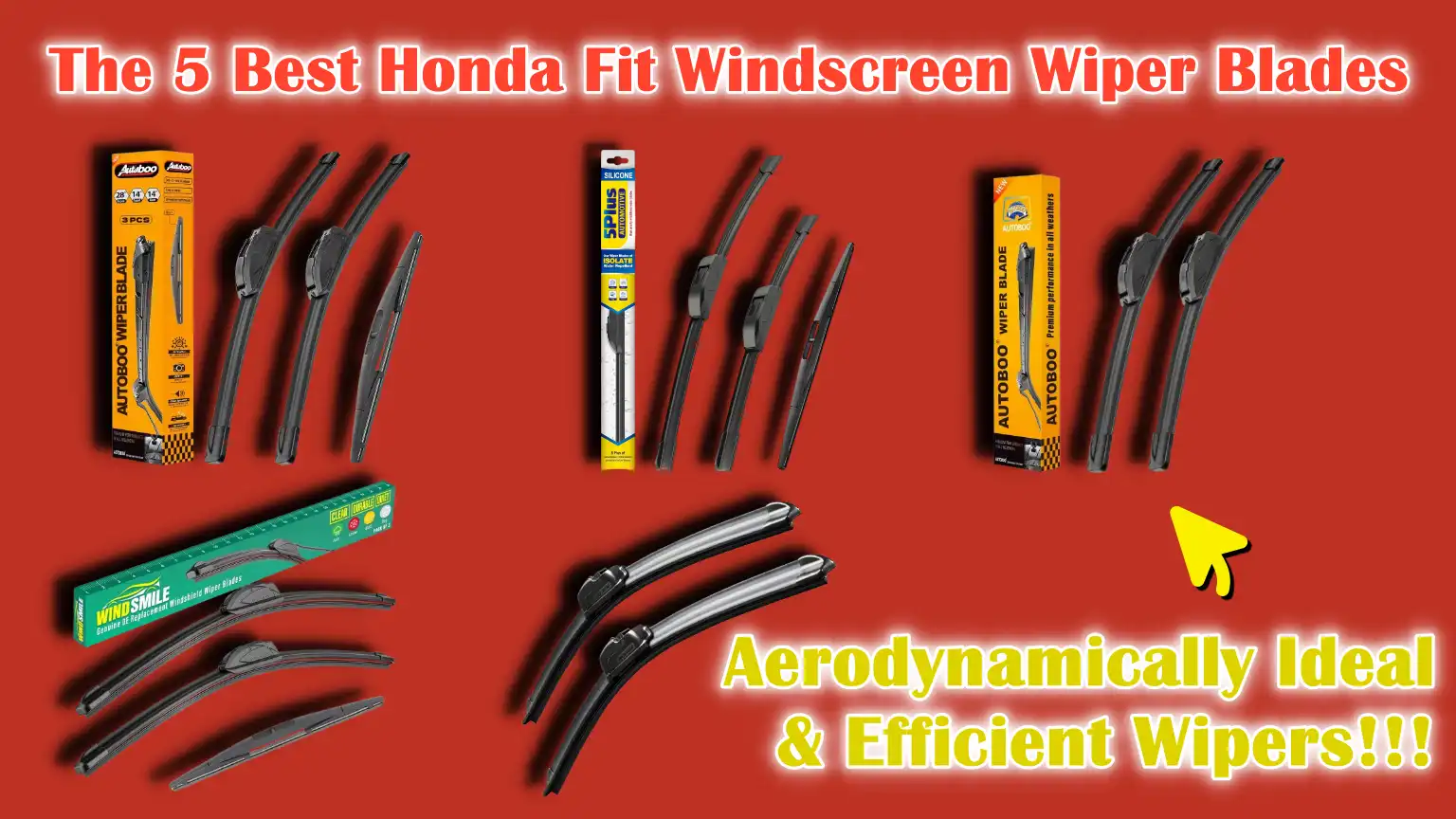
The 5 Best Honda Fit Windscreen Wiper Blades – Made Of High Quality Materials
These wiper blades provides reliable performance even in heavy rain, snow and other harsh weather conditions, even these are specially designed to be compatible in Honda Fit models.
#1. AUTOBOO

Wiper Blade Sizes: 28-Inch Driver’s Side + 14-Inch Passenger’s Side + 14-Inch Rear Side
Material Used: Rubber + Stainless Steel
Now, this premium all-weather windscreen wiper blade comes from AUTOBOO, it has improved design that fits on the Honda Fit perfectly.
Also, its aerodynamic design enhances the performance and vision during the harsh weather conditions.
As well as, it is made with the combination of rubber and stainless steel materials, which is why these blades provides really stable and cleaner performance with consistency.
And, it has wiper blade sizes of: 28-inch, 14-inch and 14-inch rear one that’s why you can easily install them on 2009 to 2020 Honda Fit without adjustments.
#2. 5 PLUS

Wiper Blade Sizes: 28-Inch Driver’s Side + 14-Inch Passenger’s Side + 14-Inch Rear Side
Material Used: Silicone Material
Now, this high performance Honda Fit windscreen wiper blade is designed by 5 PLUS, also it provides quiet and reliable performance in hot summer to cold winter and rainy seasons as well.
As well as, it has silicone strip that contains special kind of waterproof material, that have the ability to form a waterproof coating on the glass surface, that allows the rainwater to automatically flow away like a lotus leaf does with the water.
Also, its blades are designed to maintain the consistent contact with the windshield to provide you crystal clear view and prevent the streaking and chattering during the rain or other harsh weather conditions.
Plus, these blades has dimensions of 28-inch, 14-inch and 14-inch rear wiper blade; and these are specifically designed for 2009 to 2020 Honda Fit vehicle model.
#3. AUTOBOO

Wiper Blade Sizes: 24-Inch Driver’s Side + 14-Inch Passenger’s Side
Material Used: Rubber + Stainless Steel Material
Again, AUTOBOO comes with this durable windscreen wiper blade for Honda Fit, but with the different dimensions such as: 24-inch and 14-inch, which is why you can easily install them on your 2002 to 2008 Honda Fit.
Plus, it has aerodynamic blade design that helps it to follow the curved windshields more closely, even it has classic bracketless design to prevent snow and ice accumulation.
And, because of the improved aerodynamic design it significantly reduces the resistance, noise and wind drag, plus the rubber and stainless steel material gives it strength in all-weather conditions.
#4. WINDSMILE

Wiper Blade Sizes: 28-Inch Driver’s Side + 14-Inch Passenger’s Side + 14-Inch Rear Wiper Blade
Material Used: Rubber + Stainless Steel
Now, this is the precisely constructed windshield wiper for Honda Fit and it is manufactured by WINDSMILE.
These blades are made with the high-quality rubber that grips the windshield surface evenly and resists the wear from the weather exposure and consistent wipes.
It has precisely engineered aerodynamic design that reduces the wind lift and that irritating noise as well, that is good thing to rely on long journey.
Additionally, these are perfectly compatible with 2009 to 2020 Honda Fit model years, as these blades have the ideal sizes for Honda Fit such as: 28-inch, 14-inch and 14-inch rear wiper blade size.
#5. MOTIUM
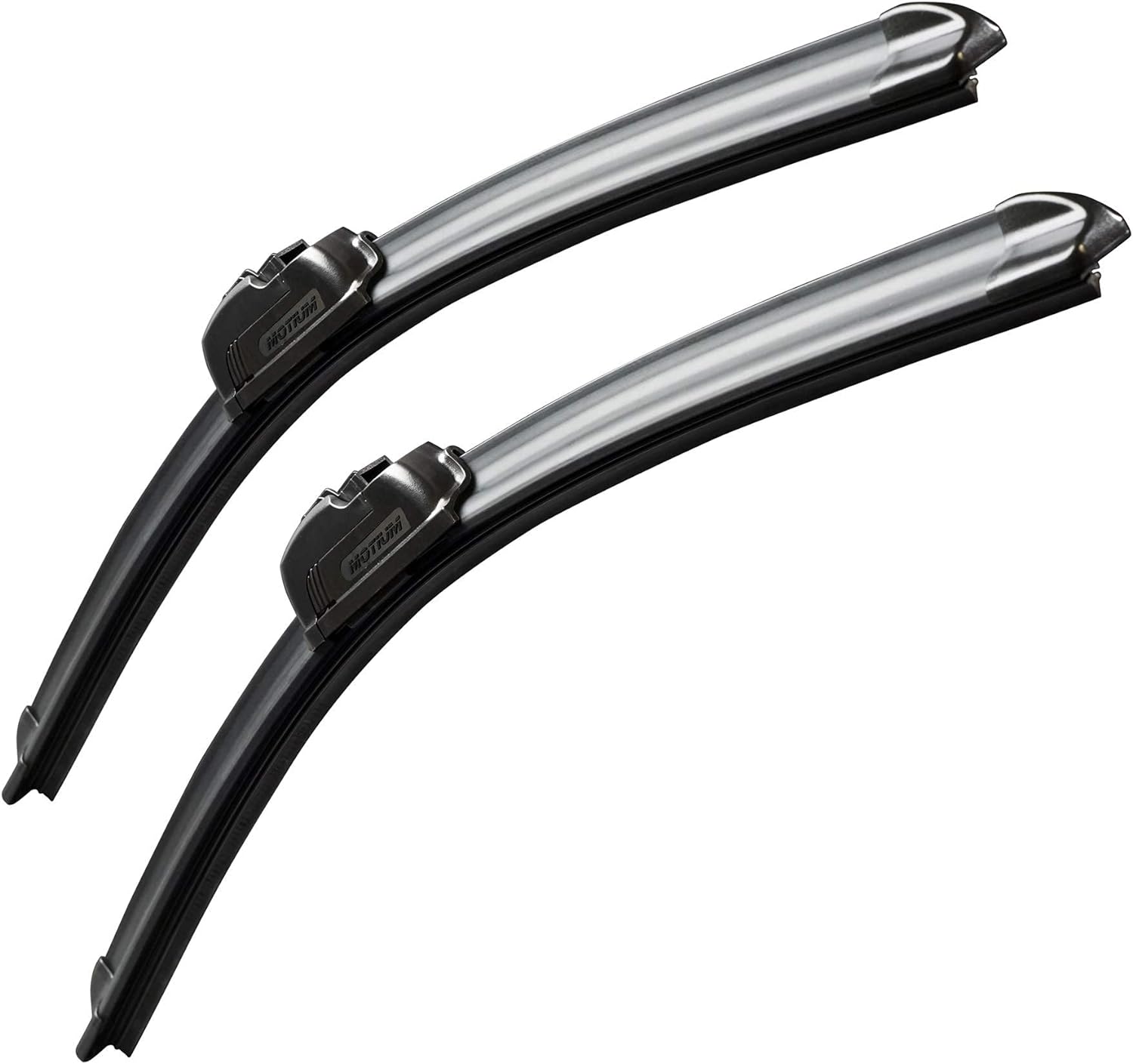
Wiper Blade Sizes: 24-Inch Driver’s Side + 14-Inch Passenger’s Side Blade
Material Used: Alloy Steel + Plastic + Rubber
Now, this is the truly reliable and all-weather performance Honda Fit windscreen wiper blade which is designed by MOTIUM.
And, it has blade with a aerodynamic shape to eliminate the collection of debris around the blade, even it provides downward force during the high-speed to ensure the consistent pressure across the full lengthy of the blade and reduces the streaks in the rain as well.
Even, in its construction it used durable rubber compounds that are engineered to withstand in everyday exposure to the rain, heat and road grime without any wear, which makes them ideal for all-year round.
Also, you can easily install them on the 2002 to 2008 Honda Fit vehicle model, as the blades sizes are: 24-inch and 14-inch passenger’s side blade length.
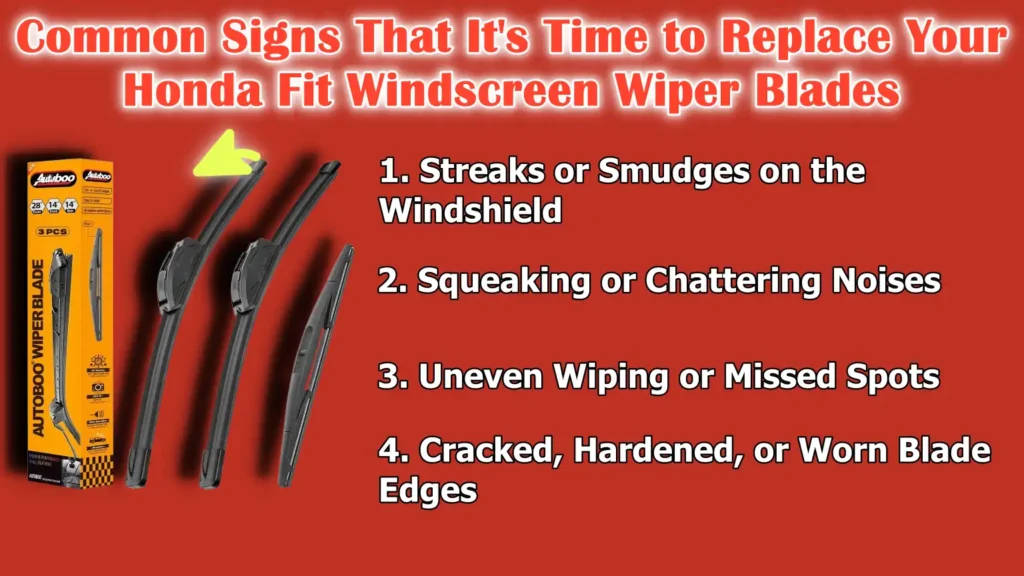
Common Signs That It’s Time to Replace Your Honda Fit Windscreen Wiper Blades
Your Honda Fit’s windshield wiper blades gradually deteriorate due to regular use, exposure to the elements and contact with dirt and debris.
Because this deterioration is gradual, many drivers don’t notice the problem until visibility is significantly reduced.
Recognizing the early warning signs helps prevent sudden visibility issues during rain and improves overall driving safety.
Replacing worn wiper blades promptly ensures smooth wiping, clear vision and quiet operation in all driving conditions.
1. Streaks or Smudges on the Windshield
Streaks or smudges on the windshield are one of the most common signs that your Honda Fit wiper blades need replacing.
This happens when the blade’s edge loses its smooth shape and can no longer wipe water evenly.
Instead of removing the water, the blade spreads it across the glass, creating lines or hazy patches.
Streaks are specially dangerous at night as they create glare from headlights and streetlights, reducing the driver’s ability to see clearly.
2. Squeaking or Chattering Noises
Squeaking or chattering noises when the wipers are operating usually mean the blades aren’t moving smoothly across the windshield.
This can be caused by hardened rubber, uneven pressure, or blades that no longer conform properly to the glass.
These noises are not only annoying but also indicate reduced wiping performance.
Honda Fit wiper blades should operate quietly, so persistent noise is a clear sign that replacement is needed.
3. Uneven Wiping or Missed Spots
Uneven wiping or areas where water isn’t properly cleared indicate that the wiper blades are no longer making full contact with the windshield.
This can happen when the blade edge wears unevenly or the internal structure loses its flexibility.
Missed spots reduce the driver’s field of vision, specially during heavy rain.
Replacing the blades ensures complete coverage and consistent wiping performance across the windshield.
4. Cracked, Hardened, or Worn Blade Edges
Physical damage to the blade edge is a sure sign that the Honda Fit wiper blades have reached the end of their service life.
Cracks, tears, or hardened rubber prevent the blades from flexing properly against the glass.
Worn edges can also scratch or streak the windshield instead of cleaning it smoothly.
Regularly inspecting the condition of the blades helps drivers replace them before visibility and safety are compromised.
How to Install Honda Fit Windscreen Wiper Blades Comfortably
Replacing the windshield wiper blades on a Honda Fit is a simple task that can be done without professional assistance.
Proper installation ensures the blades fit correctly, wipe effectively and do not damage the windshield or wiper arms.
It’s crucial to carefully follow the steps, work in a safe area and handle the wiper arms gently to avoid scratching or bending them.
This process is the same for both the front driver and passenger wiper blades, while the rear wiper blade may require slight variations depending on the model year.
1. Lift the Wiper Arms Away from the Windshield
First, gently lift the wiper arms away from the windshield until they lock into an upright position.
This provides full access to the wiper blades and prevents the metal arm from touching the glass, which could cause scratches.
Ensure the arms remain stable in the upright position and do not let them fall back onto the windshield, as this could damage the glass.
2. Remove the Old Wiper Blades
Locate the release mechanism on the existing wiper blade.
On most Honda Fit models, this is a small tab or clip where the blade connects to the wiper arm.
Gently press the tab while sliding the blade downwards or outwards to detach it from the arm.
If the blade is stuck due to age or dirt, gently and evenly wiggle it to avoid bending the arm.
Completely remove the old blade and inspect the wiper arm for any damage before installing the new blade.
3. Align and Install the New Wiper Blades
Take the new wiper blade and align its connector with the wiper arm hook or attachment point.
Slide the blade into place until you hear a click or feel that it is securely locked.
Ensure the blade is properly seated and pivots smoothly with the arm.
Double-check that the locking mechanism is fully engaged to prevent the blade from coming loose during use.
Repeat this process for both the driver-side and passenger-side wipers, ensuring each blade is installed in the correct position and orientation.
4. Gently Lower the Wiper Arms onto the Windshield
Once the new blades are securely attached, gently lower the wiper arms back onto the windshield.
Do not let the metal arm snap down, as this could crack or scratch the glass.
Ensure the blade rests evenly on the windshield and sits flat across the entire contact area.
Proper placement ensures even pressure and optimal wiping performance.
5. Test the Wiper Blades
To test the new blades, activate your Honda Fit’s wiper and washer system.
Observe the wiping motion carefully to ensure it is smooth, maintains consistent contact and wipes without leaving streaks.
Check both the front and rear blades, if applicable.
If streaking occurs, the wipers are sticking, or there are any unusual noises, lift the arm again and ensure the blade is properly locked and correctly positioned on the wiper arm.
A quick test ensures the new blades are functioning correctly and will provide safe visibility in all weather conditions.
How to Maintain These Honda HR-V Windscreen Wiper Blades to Extend Service Life
Proper maintenance of Honda Fit windshield wiper blades not only improves visibility but also extends the life of the blades.
Regular care ensures smooth wiping, reduces streaking and prevents unnecessary wear and tear on both the blades and the windshield.
By following these simple maintenance tips, drivers can save money on replacements and ensure safe driving in all weather conditions.
1. Proper Wiper Blade Cleaning
Wiper blades should be cleaned regularly to remove accumulated dust, dirt and road debris.
Dirt particles on the rubber edge can cause streaking, blade sticking and increased wear.
To clean the blades, lift the wiper arm and gently wipe the rubber edge with a soft cloth dampened with mild soap and water.
Avoid using harsh chemicals or abrasive materials that can damage the rubber.
Clean blades glide smoothly across the windshield, resulting in better water removal and reduced noise during operation.
2. Best Practices for Windshield Cleaning
A clean windshield is just as important as clean wiper blades.
Dirt, oil and grime on the glass force the blades to work harder and reduce their effectiveness.
Regularly clean the windshield using a high-quality glass cleaner or a mixture of water and mild soap.
Rinse thoroughly to remove all residue and dry with a lint-free cloth.
Proper windshield maintenance ensures that the wiper blades maintain even contact with the glass, minimizing streaking and extending blade life.
3. Avoiding Dry Wiping and Ice Damage
Never operate the wipers on a dry windshield, as this increases friction and accelerates blade wear.
Always use washer fluid before operating the wipers, specially in dusty or dirty conditions.
In winter, avoid using the wipers to remove heavy snow or ice directly, as this can tear the rubber or damage the blade frame.
Instead, remove heavy snow and ice manually before using the blades.
These precautions prevent premature wear and tear and ensure effective wiping in all weather conditions.
4. Parking and Storage Tips
Proper parking and storage of your Honda Fit can help extend the life of your wiper blades.
When the car is parked in direct sunlight for extended periods, the rubber can harden and crack, reducing its flexibility.
Whenever possible, park in shaded areas or use a windshield cover to protect the blades from heat and UV rays.
In cold weather, lift the wiper arms slightly away from the windshield when parked to prevent the blades from freezing to the glass.
These simple habits help maintain blade flexibility, improve wiping performance and extend their overall lifespan.
Read More:
What are the Common Windshield Wiper Problems in the Honda Fit
Even well-designed wiper systems like those in the Honda Fit can develop problems over time.
Understanding these issues allows drivers to identify and address them quickly, ensuring clear visibility and safe driving.
Many wiper problems stem from wear and tear, improper installation, or environmental factors.
Recognizing and promptly addressing common issues can prevent streaking, noise and damage to both the windshield and wiper blades.
1. Streaking and Uneven Wiping Causes
Streaking or uneven wiping occurs when the wiper blade doesn’t maintain complete, even contact with the windshield.
This can be due to worn or hardened rubber, incorrect blade size, or debris trapped along the blade edge.
Curved windshields, like those on the Honda Fit, require flexible blades that conform to the glass shape and any loss of flexibility can result in streaks or missed areas.
Regular inspection and timely replacement of wiper blades ensure smooth, streak-free wiping.
Not only this, there’s study by the University of Michigan Transportation Research Institute that found out that after applying the hydrophobic treatments to the windshield that can significantly improves the visual clarity during the rain as it rolls off and beads the water droplets, that reduces the amount of work windshield wipers have to do and that’s how it also minimizes the streaking as well.[¹]
2. Noise and Vibration Issues
Squeaking, rattling, or vibrating wipers are common problems that indicate the blades aren’t moving smoothly across the windshield.
This noise can be caused by hardened rubber, dirt buildup, or uneven pressure distribution along the blade.
Vibration or jerky movement often occurs when the wiper arm tension is uneven or the blade edge has become deformed.
These issues reduce wiping efficiency and can distract the driver, so cleaning or replacing the blades and checking for proper installation is crucial.
3. Poor Contact with the Windshield Glass
Poor contact occurs when the wiper blade doesn’t apply even pressure to the windshield, leaving behind water or debris.
This can be caused by bent wiper arms, weak tension springs, or worn rubber edges that no longer conform to the curvature of the windshield.
Even a slight loss of contact can significantly reduce visibility during rain or fog.
Ensuring the blades are the correct size and properly installed and that the wiper arms are functioning correctly, ensures consistent contact and effective wiping.
4. Washer Fluid and Spray Alignment Issues
Washer fluid and spray alignment problems can compromise the effectiveness of the wiper system.
If the washer nozzles are clogged, misaligned, or weak, the fluid won’t reach the areas that need cleaning, leaving dirt or debris on the glass.
This forces the wiper blades to operate on a dry or partially dry surface, leading to streaking and increased wear and tear.
Regularly checking the washer fluid level, cleaning the nozzles and confirming the spray pattern ensures that the wipers can function properly and maintain clear visibility.
How to Choose the Perfect Honda Fit Windscreen Wiper Blades
Choosing the right windshield wiper blades for your Honda Fit is crucial for safety, visibility and comfort while driving.
Not all blades are created equal and selecting the wrong size, material, or type can lead to reduced performance, increased wear and even damage to the windshield.
The correct buying process involves considering factors such as blade type, size, material, performance, weather suitability and OEM versus aftermarket options.
Understanding these aspects ensures the wipers provide clear, streak-free visibility in all weather conditions and last a long time.
1. Determine the Correct Blade Size
The first step in buying wipers for your Honda Fit is knowing the correct blade size for your model.
The driver-side and passenger-side front wipers are often different lengths and the rear wiper is a specific size depending on the model year.
Using the wrong size can result in uneven wiping, streaking, or even collision between the blades.
Consult your owner’s manual or a reliable parts guide to confirm the correct lengths for both the front and rear blades for your specific Honda Fit generation.
2. Choose the Right Blade Type
Honda Fit windshield wiper blades come in three main types: traditional (frame-style), beam (frameless) and hybrid.
Traditional blades are durable and budget-friendly but may be less effective on curved windshields.
Beam blades provide even pressure and smooth wiping, specially for curved glass and high-speed driving.
Hybrid blades combine durability and aerodynamics for quiet, efficient performance.
Choosing the right type depends on your driving habits, weather conditions and your preference for quiet and smooth wiping.
3. Consider Material and Build Quality
The quality of the wiper blade material significantly impacts performance and lifespan.
High-quality rubber or silicone blades remain flexible over time, resist cracking and glide smoothly across the windshield.
The frame should be robust and corrosion-resistant to withstand rain, dust and UV rays.
Premium materials minimize streaking, skipping and noise, which is specially important in extreme heat, heavy rain, or dusty conditions.
Investing in durable blades ensures better visibility and fewer replacements over time.
4. Evaluate Suitability for Weather and Climate
Selecting blades based on your climate is crucial for reliable performance.
In areas with heavy rainfall or monsoon conditions, flexible and robust blades are needed to handle large volumes of water.
Hot climates require heat-resistant blades to prevent hardening, while dusty or polluted areas benefit from durable rubber blades that resist wear and tear.
In cold climates, blades that remain flexible at low temperatures and resist freezing are preferred.
Choosing the right blades for your climate enhances safety and ensures consistent performance year-round.
5. Choose Between OEM and Aftermarket Blades
OEM (Original Equipment Manufacturer) wipers are specifically designed for the Honda Fit and guarantee a perfect fit, size and performance.
Aftermarket blades can be a more affordable option and may offer additional features such as advanced rubber compounds or hybrid designs, but quality can vary depending on the brand.
When choosing aftermarket options, ensure they are compatible with your Fit’s model year, windshield curvature and wiper arm type.
Carefully comparing OEM and aftermarket options helps strike a balance between price, performance and durability.
6. Check for Additional Features
Some windshield wiper blades offer added benefits such as silicone coating for smoother wiping, aerodynamic designs for stability at higher speeds, or special edge technology to prevent streaking.
These features can improve overall performance, reduce noise and extend blade life.
Consider whether these features are necessary for your driving needs and weather conditions.
Features like water-repellent silicone edges can also improve visibility during heavy rain or light snowfall.
7. Verify Compatibility and Installation
Before purchasing, always double-check that the wiper blades are compatible with your Honda Fit’s model year, trim and wiper arm type.
Proper installation is crucial for performance; even high-quality blades won’t function correctly if they don’t fit properly or align with the windshield’s curvature.
Many modern blades come with universal connectors for easy installation, but it’s essential to follow the manufacturer’s instructions to avoid damage or uneven wiping.
Conclusion – Best Honda Fit Windscreen Wiper Blades
Without a doubt, the small streak or skip on your Honda Fit’s windshield can actually becomes a serious safety issue, as it literally prevent your wipers from highly efficient when the hard times comes.
And, properly and regularly maintaining your wiper blades is crucial to effectively prevent streaking, skipping and noise and to ensure clear visibility during rain, dust, fog, or snow.
Also, you need to understand the blade types, materials and performance factors allows drivers to make informed choices, extending blade life and avoiding unnecessary replacements.
Yes, regular inspections, seasonal checks and careful installation are essential for keeping your wipers functioning optimally.
Now, that’s all from this one and if you still have questions then just ask that in the comment section below.
Frequently Asked Questions
Q1. How often should I replace my Honda Fit windshield wiper blades?
Answer: On average, Honda Fit wiper blades should be replaced every six months to a year. However, this depends on driving habits and weather conditions. If you drive in heavy rain, extreme heat, or dusty areas, the blades may wear out faster. Signs that replacement is needed include streaking, skipping, chattering, squeaking, or visible cracks on the rubber edge. Seasonal checks are also recommended, specially before rainy or winter months, to ensure the blades are in good condition.
Q2. How do I install wiper blades on a Honda Fit?
Answer: Installing wiper blades on a Honda Fit is easy. First, carefully lift the wiper arms away from the windshield. Then, remove the old blades by pressing the release tab and sliding them off the arm. Align the new blade with the arm connector and slide it on until it clicks securely into place. Gently lower the wiper arm back onto the windshield and test the blades by activating the wipers and washer fluid. Ensure the blades are wiping evenly and smoothly without skipping or making noise.
Q3. Why do my Honda Fit wipers sometimes leave streaks or skip?
Answer: Streaking or skipping usually occurs when the blade edge is worn, hardened, or dirty. Other causes include incorrect blade size, bent wiper arms, or poor pressure distribution on the windshield. Streaking can also occur if the windshield is not clean, as dust or debris can prevent the blades from gliding smoothly. Regularly cleaning the windshield and wiper blades and replacing old or worn blades, usually resolves these issues.
Q4. Can I extend the life of my wiper blades with proper care?
Answer: Yes, proper maintenance can extend the life of Honda Fit wiper blades. Regularly cleaning the rubber edges, washing the windshield before wiping, avoiding wiping on a dry windshield and protecting the blades from ice, snow and direct sunlight all help prevent premature wear. Parking in shaded areas or using a windshield cover can protect the blades from heat damage, while lifting the blades in icy conditions prevents them from sticking to the glass. With good care, the blades will last longer and perform better.
Q5. What type of wiper blade material is best for different weather conditions?
Answer: Common materials include rubber, silicone and hybrid compounds. Regular rubber blades perform well in normal weather but can harden in extreme heat or crack in the cold. Silicone blades are more flexible, resist heat and UV damage and glide smoothly across the windshield even in rain or cold conditions. Hybrid blades combine a durable frame with a flexible rubber edge to maintain even pressure, making them ideal for high winds or high-speed driving. Choosing the right material helps ensure streak-free wiping and a longer blade life for your specific weather conditions.
References:
[1] THE INFLUENCE OF HYDROPНОВІС WINDSHIELD COATING ON DRIVER VISUAL PERFORMANCE
https://www.supracanada.ca/wp-content/uploads/2017/07/Hydrophobic-UMTRI-97-31full-study.pdf

Guys, I’m a car audio enthusiast and customization expert and I love clear sound and clean installation. Plus, I have spent years helping people build their dream audio setups. And whenever I’m working on cars, I probably listen to music and thinks about the next big upgrade.