
Written By: Don Dodi
Fact Checked By: Kristen Brown
Reviewed By: Diego Rosenberg
You actually need really efficient windshield wiper to see through the heavy rain, snow and all kinds of dust and debris nature has to offer.
Without a doubt, it is the windshield wipers that actually responsible to keep your vision clear throughout the journey, as custom-fit wiper blades literally maintains the clear visibility in all seasons, no matter what.
As well as, the Tiguan comes with the specific kind of wide and slightly curved windshield, that’s why you actually need really high quality and specially designed wiper blades that can support that unique Volkswagen Tiguan’s windshield curve and design.
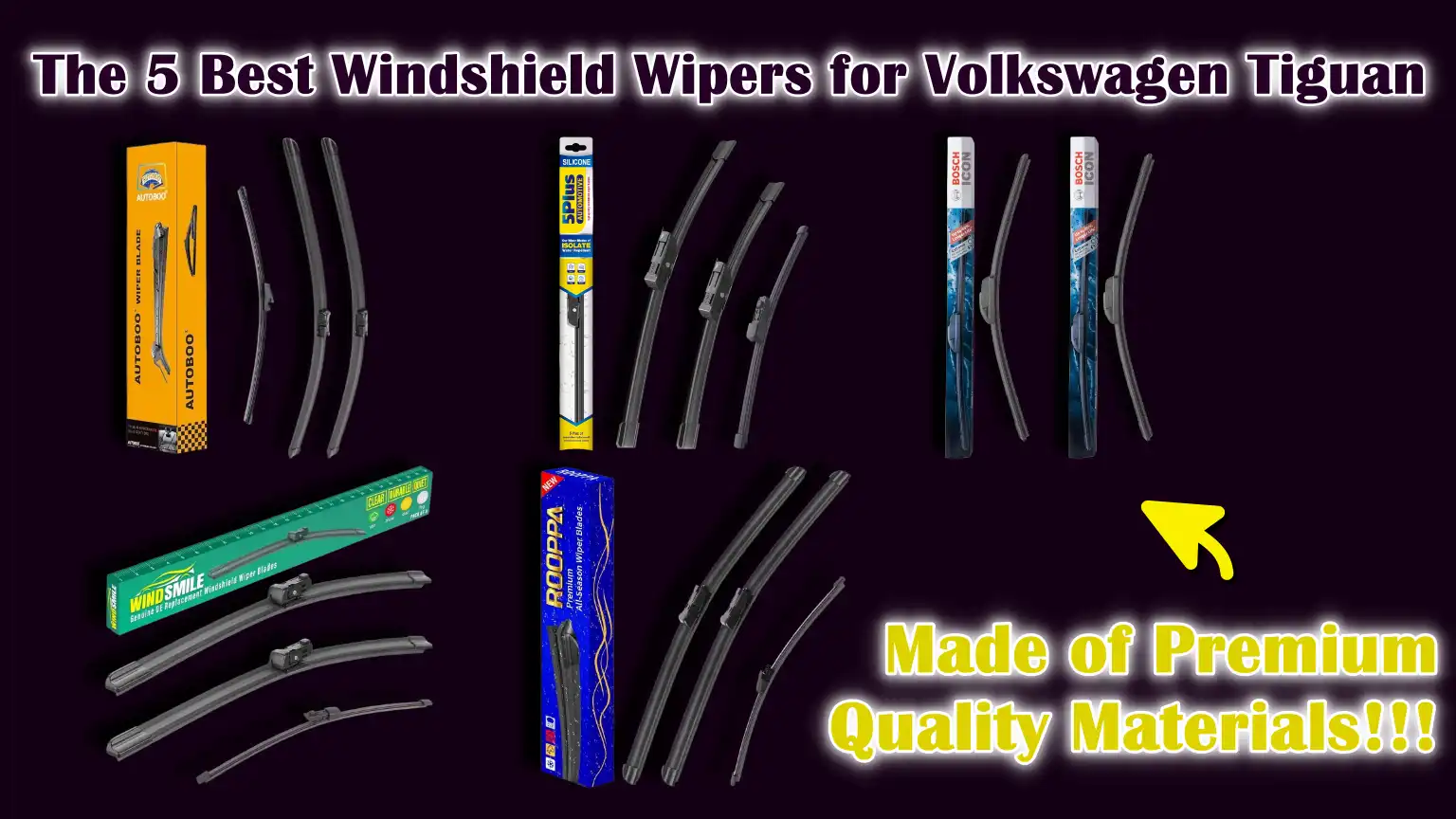
That’s why, we have come up with these 5 Best Windshield Wipers for Volkswagen Tiguan that comes with lots of features such as: aerodynamic shape, custom-fit design and these wipers even applies even pressure across the glass to properly clean the water and dirt.
The 5 Best Windshield Wipers for Volkswagen – Provides Excellent Wipes
Yes, the wiping quality in all-weather conditions is the thing that makes these VW Tiguan windshield wipers useful and these are really durable that can provide long-term service.
#1. AUTOBOO

Windshield Wiper Size: 24-Inch Driver Side + 21-Inch Passenger Side With 13-Inch Rear Wiper
The AUTOBOO is the manufacturer, they made them in really precise way so that these blades can perform in wide range of weather conditions as well.
Also, these are fully compatible with VW Tiguan from 2007 to 2017 models, that’s why the design is accurate to maintain uniform pressure along the entire length of the blade, so that actually helps them to clear that excessive water and other debris efficiently.
Plus, these are aerodynamically designed to reduce the wind lift at the highway speeds, that means it keeps the blades firmly in the contact with the windshield, no matter the speed at all.
#2. 5 PLUS

Windshield Wiper Size: 25-Inch Driver Side + 22-Inch Passenger Side + 15-Inch Rear Wiper Blade
The 5 Plus is the designer that delivers dependable all-season performance and made it really durable by using high quality materials.
Additionally, it has silicone strip that contains special waterproof material that keeps the view crystal clear in heavy rain and other harsh seasons.
Plus, it comes in sizes of 25-Inch, 22-Inch and 15-Inch combination so that you can easily replacement them with your old VW Tiguan wipers from 2018 to 2022 models.
Because it is specifically designed for VW Tiguan, that’s why they can efficiently work in the curved surface of your Tiguan’s windshield and provide well-maintained windshield.
#3. BOSCH

Windshield Wiper Size: 24-Inch Driver Side & 21-Inch Passenger Side
Now, BOSCH comes with this ultra-protective and high performance wiper that can keep your view clear in all conditions quiet easiy.
Even, the manufacturer designed it in a beam-style that ensures consistent pressure across the every inch of the blade, that literally improves the water sweep and reduces the streaks during the rainstorms and dusty conditions.
Moreover, it has asymmetric spoiler that actually distributes the uniform downward force all along the entire length of the wiper blade, that’s how it firmly holds to the windshield at the higher speeds.
#4. WINDSMILE

Windshield Wiper Size: 25-Inch Driver Side, 22-Inch Passenger Side & 15-Inch Rear Side
Now, this time WINDSMILE manufactured this all-weather windshield wiper blades for VW Tiguan and it has size of 25-Inch, 22-Inch & 15-Inch that makes them fully compatible with 2018 to 2025 Tiguan models.
And, it gives robust performance in rain, dusty conditions and light snow as well, as its advanced rubber compound that removes all kinds of elements effortlessly.
Not only this, its low profile design actually minimizes wind noise and vibrations, that provides quieter experience in the cabin.
#5. Rooppa

Windshield Wiper Size: 24-Inch Driver Side, 21-Inch Passenger Side & 13-Inch Rear View Blades
Rooppa comes with this truly dependable windshield wiper for Volkswagen Tiguan and you can easily install them on 2007 to 2017 Tiguan models.
Not only this, it is designed in a way to improve the water evacuation during the rainstorms, even it clears the driver’s line of sight more efficiently in harsh weather conditions.
Furthermore, it is made of high-quality rubber that comes with really great wiping ability as it is flexible enough to resist the cooler temperature and doesn’t gets damages due to the effect of heat and sunlight as well.
Let’s, Learn What Sizes Works with Volkswagen Tiguan Windshield Wipers
1. Front Driver-Side Wiper Size – Varies by Model Year
The front driver-side windshield wiper on the Volkswagen Tiguan is the most crucial blade, as it clears the primary viewing area used during driving.
Its size varies depending on the Tiguan model year and generation, as Volkswagen has updated the windshield width and curvature over time.
Older Tiguan models typically have a slightly shorter driver-side blade, while newer generations often require a longer blade to cover more glass for improved visibility.
Using the correct size is essential, as a blade that is too short will leave an uncleared area and a blade that is too long may hit the edges of the windshield or overlap with the passenger-side wiper.
Proper fitment ensures even pressure on the glass, smooth wiping, reduced noise and better performance during heavy rain or high-speed driving.
Generally, for 2007 to 2017 models front wiper size is 24-Inch, plus for 25-Inch for 2018 to 2025.
2. Front Passenger-Side Wiper Size
The front passenger-side wiper on the Volkswagen Tiguan is slightly shorter than the driver-side blade and is designed to complement its wiping pattern.
Its main function is to clear water and debris from the passenger side without interfering with the driver-side wiper’s movement.
Like the driver-side blade, its exact size depends on the Tiguan’s model year and generation.
Choosing the correct passenger-side wiper size helps prevent streaking, uneven wiping and unnecessary wear and tear on the blades.
When both front wipers are the correct size, they work together to provide a clear, wide view and reduce eye strain for the driver during long or rainy drives.
And, for 2007 to 2017 models passenger’s wiper blade size is 21-Inch, plus for 22-Inch for 2018 to 2025.
3. Rear Windshield Wiper Size and Design
The rear windshield wiper in the Volkswagen Tiguan is specifically designed for the SUV’s upright rear glass, which accumulates dust, rainwater and road grime.
Rear wipers are typically smaller and utilize a compact design to fit within the rear hatch and motor assembly.
Unlike front wipers, rear blades are often vehicle-specific, meaning that generic sizes may not fit properly.
A correctly sized rear wiper ensures smooth contact with the glass, quiet operation and effective cleaning when reversing in rain or wet and muddy conditions.
This is specially helpful for maintaining rear visibility in city traffic and while parking.
As well as, for 2007 to 2017 models rear wiper blade size is 13-Inch, plus for 15-Inch for 2018 to 2025.
4. Differences Between Older and Newer Volkswagen Tiguan Generations
Older Volkswagen Tiguan generations typically use more traditional wiper sizes and mounting systems, while newer models feature updated aerodynamic windshield designs that require modern flat or beam-style wipers.
Newer Tiguan models often have longer blades, improved pressure distribution and a more precise fit to the windshield’s curves.
Volkswagen has also refined the wiper arm design in recent generations to reduce wind pressure and noise at highway speeds.
Due to these changes, wipers from older Tiguan models may not fit properly on newer models, even if the size appears similar.
Always matching the wiper size and design to the specific Tiguan generation ensures optimal performance in all weather conditions, longer blade life and safer driving.
What are The Types of Windshield Wipers Compatible with the Volkswagen Tiguan
1. Conventional Frame-Style Windshield Wipers
Conventional frame-style windshield wipers have a metal or plastic frame with multiple pressure points that hold the rubber blade against the glass.
These wipers have been in use for many years and are commonly found on older Volkswagen Tiguan models.
They are generally inexpensive and easy to replace, making them a popular choice for drivers who want a basic solution.
However, because the Tiguan’s windshield is wide and curved, frame-style wipers don’t always apply even pressure across the entire glass.
In heavy rain, dust, or at high speeds, they can sometimes leave streaks or miss spots if the frame twists or debris gets caught in it.
They also tend to wear out faster in hot weather due to the exposed metal joints.
2. Beam/Flat Windshield Wipers
Beam windshield wipers, also known as flat wipers, are the most recommended type for newer Volkswagen Tiguan models.
These wipers do not have an external frame and instead utilize a flexible internal spring that applies even pressure to the blade across the windshield.
This design allows the wiper to closely follow the Tiguan’s curved glass, resulting in smoother wiping and improved visibility.
Beam wipers are quieter, more aerodynamic and less likely to lift at high speeds.
They also resist dust buildup and freezing in cold weather because they have no exposed joints.
Due to their consistent pressure and modern design, beam wipers typically last longer and perform better in all weather conditions.
3. Hybrid Windshield Wipers
Hybrid windshield wipers combine the features of both conventional and beam wipers.
They have a supportive inner frame like traditional wipers, but this frame is covered by a smooth outer shell that improves aerodynamics.
For Volkswagen Tiguan owners, hybrid wipers offer a balance between durability and modern performance.
The inner structure provides good pressure, while the outer cover helps reduce wind noise and improves stability at higher speeds.
Hybrid wipers often perform better than conventional wipers in heavy rain and are more durable in varying weather conditions.
They are a good option for drivers who want improved performance without switching to a completely flat wiper design.
4. OEM vs Aftermarket Windshield Wiper Blades
OEM windshield wiper blades are manufactured or approved by Volkswagen and are specifically designed for the Tiguan’s windshield shape, wiper arms and driving characteristics.
They generally offer the best fit, quiet operation and reliable performance, but they can be more expensive.
Aftermarket wiper blades are made by third-party brands and come in a wide variety of materials, designs and price points.
When the correct size and type are chosen, many high-quality aftermarket wipers perform just as well as OEM options.
The main differences lie in the precision of the fit, the quality of the materials and durability.
Choosing a reputable brand and ensuring proper compatibility can allow Tiguan owners to achieve safe, effective wiping performance without overspending.
What Kind of Materials Suits for the Volkswagen Tiguan Windshield Wipers
1. Natural Rubber Blades
Natural rubber is one of the most common materials used for windshield wiper blades in the Volkswagen Tiguan, specially in standard or entry-level blades.
This material is flexible and soft, allowing it to make good contact with the windshield and effectively clear water.
Natural rubber performs well in mild weather conditions and provides smooth wiping when new.
However, it is more susceptible to heat, sunlight and air pollution.
Over time, exposure to UV rays and high temperatures can cause the rubber to harden, crack, or lose its shape, leading to streaking and noise.
Because of this, natural rubber blades typically need to be replaced more frequently, specially in hot or dusty driving environments.
2. Synthetic Rubber and Silicone Blades
Synthetic rubber and silicone blades are more advanced materials commonly used in higher-quality Volkswagen Tiguan windshield wipers.
Synthetic rubber is engineered to better withstand heat, ozone and UV damage compared to natural rubber, allowing the blades to maintain their flexibility for longer.
Silicone blades go a step further by maintaining their softness across a wide range of temperatures, from cold mornings to hot summer afternoons.
Silicone also naturally repels water, causing raindrops to bead up and slide off the windshield more easily.
These materials offer quieter operation, smoother wiping and a longer service life, making them a preferred choice for drivers who want reliable all-season performance.
3. Coated Blades – Graphite, Teflon, or Nano-coatings
Many Volkswagen Tiguan windshield wipers utilize special surface coatings applied to the rubber or silicone blades to enhance performance.
Graphite coatings help reduce friction between the blade and the glass, resulting in smoother and quieter wiping.
Teflon coatings create a slick surface that allows the blade to glide easily across the windshield, reducing wear on both the blade and the glass.
Nano-coatings are designed to fill in tiny gaps on the rubber edge, improving contact with the windshield and increasing water removal efficiency.
These coatings also help slow down blade wear and improve performance in heavy rain or dusty conditions.
4. How Material Choice Affects Durability and Wiping Efficiency
The materials used in Volkswagen Tiguan windshield wipers directly impact how long the blades last and how well they clean the windshield.
Softer materials like natural rubber provide good initial wiping but degrade quickly in harsh conditions.
More advanced materials like synthetic rubber and silicone maintain flexibility for longer periods, resist environmental damage and deliver consistently good wiping performance.
Coated blades further enhance efficiency by reducing friction and ensuring smooth movement across the glass.
Choosing the right materials helps prevent streaking, noise and uneven wiping, while also reducing the need for frequent replacements and improving overall driving safety.
How Important It Is Have Aerodynamic Design for Volkswagen Tiguan Windshield Wiper
1. The Role of Aerodynamic Spoilers in High-Speed Driving
The aerodynamic spoilers on the Volkswagen Tiguan windshield wipers play a crucial role in keeping the blades firmly pressed against the glass at high speeds.
As the vehicle’s speed increases, the airflow over the windshield intensifies and can attempt to lift the wipers off the surface.
The spoilers are designed to utilize this airflow to push the wipers down rather than lift them up.
This helps maintain clear visibility on highways, during overtaking maneuvers and in strong winds.
Without proper aerodynamic design, the wipers can skip, leave streaks, or lose contact with the windshield, specially during heavy rain.
2. Reducing Wind Lift and Wiper Noise
Wind lift occurs when air pressure pushes the wiper blades upwards, reducing their contact with the windshield.
In the Volkswagen Tiguan, the modern wipers are designed to minimize this effect using a low-profile shape and balanced weight distribution.
These features help keep the blades stable and prevent vibration.
When wind lift is reduced, wiper noise and chatter are also minimized.
This results in smoother wiping, less driver distraction and improved comfort during long drives.
The proper aerodynamic design also helps protect the wiper motor and arms from unnecessary stress caused by movement or uneven pressure.
3. Maintaining Even Pressure Across the Tiguan’s Wide Windshield
The Volkswagen Tiguan features a wide and slightly curved windshield, which requires even pressure across the entire length of the wiper blades for effective cleaning.
Aerodynamic beam-style wiper blades utilize internal spring tension and flexible structures to maintain consistent pressure from one end to the other.
This ensures that water, dust and road grime are removed evenly without streaks or missed spots.
The even pressure also reduces uneven wear on the blade’s edge, extending the wiper’s lifespan.
By maintaining constant contact with the windshield, aerodynamic wipers improve visibility, safety and overall driving confidence in all weather conditions.
How to Ensure Optimal Weather Performance and Climate Suitability for VW Tiguan Wiper Blades
1. Performance in Heavy Rain and Monsoon Conditions
Volkswagen Tiguan windshield wipers are designed to handle heavy rain and monsoon conditions, quickly and evenly clearing large amounts of water from the windshield.
High-quality wiper blades maintain firm contact with the glass, ensuring they push water away in a single, smooth motion rather than spreading it across the surface.
During heavy rain, properly fitted wipers help prevent water buildup that can impair visibility and slow driver reaction time.
Consistent wiping performance is specially crucial at highway speeds, where rain hits the windshield with greater force.
Reliable wipers help maintain clear visibility and reduce driving stress during long monsoon journeys.
2. Effectiveness in Dust, Pollen and Urban Pollution
In dusty areas and busy urban environments, the Volkswagen Tiguan’s windshield wipers play a vital role in removing fine particles such as dust, pollen and pollution residue.
These particles often combine with moisture or washer fluid to form a thin film on the glass that can reduce visibility.
Quality wiper blades with smooth edges are able to lift and remove this film without scratching the windshield.
Effective wiping also helps prevent buildup that can cause streaks or glare when driving in sunlight or at night.
Regular cleaning combined with good wipers improves visibility and protects the windshield surface over time.
3. Wiping Performance in Cold Weather and Light Snowfall
In cold weather, Volkswagen Tiguan windshield wipers must remain flexible to wipe effectively without sticking or breaking.
Modern blades are designed to remain flexible even at low temperatures, allowing them to easily clear light snow, frost and freezing rain.
Beam-style wipers perform particularly well in cold conditions because they have fewer exposed parts where ice can accumulate.
Proper cold-weather performance helps ensure clear visibility during early morning starts and winter driving, reducing the need for frequent wiping and protecting the blade edge from damage.
4. UV Resistance for Warm Climates
In warm climates, the Volkswagen Tiguan’s windshield wipers are exposed to intense sunlight and high temperatures, which can quickly damage lower-quality rubber.
UV-resistant materials help prevent the blades from hardening, cracking and losing their flexibility.
Advanced rubber and silicone blades are designed to withstand prolonged sun exposure while maintaining consistent wiping performance.
Good UV resistance extends the life of the wipers, reduces noise and ensures reliable operation even after prolonged parking in direct sunlight.
This makes UV protection an essential feature for drivers in warm and sunny regions.
How to Install Volkswagen Tiguan Windshield Wiper
Not only this, there’s a research from Journal of Applied Fluid Mechanics that researched on how windshield wiper geometry and airflow actually interacts at the high speeds and they actually found out that: if the windshield wiper has specific design adjustments such as: optimized spoiler curvature and blade profile, then it significantly reduces the aerodynamic lift and literally keeps the blade always pressed against the glass, in that way it ensures consistent wipes even when you drive your vehicle in speed, which is really important to maintain the clear visibility in various weather conditions.[¹]
1. Push-Button and Hook-Arm Compatibility
Volkswagen Tiguan windshield wipers are designed to work with specific wiper arm connection types, which, depending on the model year and generation, are typically either push-button or hook-arm systems.
Push-button systems are more common in newer Tiguan models and provide a secure, low-profile connection that minimizes movement and noise during operation.
Hook-arm systems are generally found in older models and utilize a simple curved metal hook to hold the wiper blade in place.
It is crucial to select wipers that correctly match the arm type, as an incorrect connection can lead to a loose fit, poor wiping performance, or even the blade detaching during use.
Correct compatibility ensures stable operation and complete contact with the windshield.
2. Pre-Installed Adapters vs Multi-Adapter Systems
Some Volkswagen Tiguan windshield wipers come with pre-installed adapters that are specifically designed to fit the vehicle’s wiper arm.
These adapters simplify installation by eliminating guesswork and reducing the possibility of incorrect fitting.
Other wipers utilize multi-adapter systems that include several connector options in a single package, making them compatible with a wider range of vehicles.
While multi-adapter systems offer flexibility, they require careful selection of the correct adapter and proper attachment.
A correctly fitted adapter ensures the blade sits at the correct angle, applies even pressure and glides smoothly across the windshield without vibration or noise.
3. Easy DIY Installation for Tiguan Owners
Most windshield wipers for the Volkswagen Tiguan are designed for easy DIY installation, allowing owners to replace them without any special tools or professional assistance.
The process typically involves lifting the wiper arm, removing the old blade and clicking the new one into place.
Clear instructions and secure locking mechanisms help minimize installation time and prevent errors.
Easy DIY installation encourages regular replacement, which is essential for maintaining clear visibility and safe driving.
When wipers are installed correctly, they perform more reliably, last longer and reduce the risk of sudden failure during inclement weather.
Common Signs That Shows It’s Time to Replace Your Volkswagen Tiguan Windshield Wipers
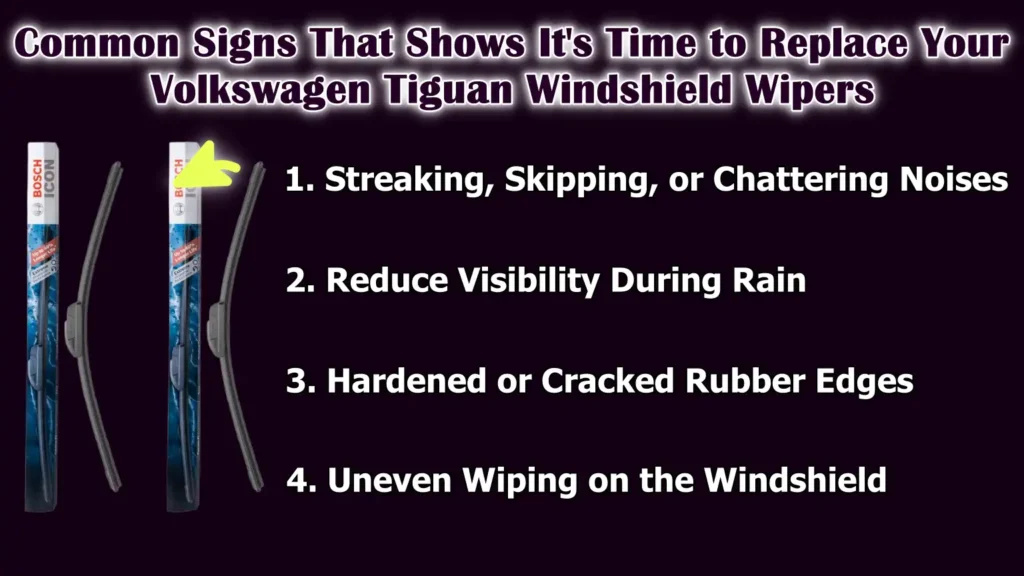
1. Streaking, Skipping, or Chattering Noises
One of the most common signs that your Volkswagen Tiguan windshield wipers need replacing is streaking or skipping across the glass.
When the rubber edge becomes worn, dirty, or uneven, it can no longer maintain smooth contact with the windshield.
This results in streaks of water left behind after each wipe and may also produce chattering or squeaking noises.
These noises usually mean the blade has lost its flexibility or the surface coating has worn off.
Using wipers that consistently make noise or skip can reduce visibility and may even scratch the windshield over time.
2. Reduce Visibility During Rain
If the windshield remains blurry or unclear even after using the wipers during rain, it’s a clear indication that the blades are no longer effective.
Worn Volkswagen Tiguan wipers can spread water instead of clearing it, making it difficult to see road signs, other vehicles and pedestrians.
Reduced visibility is specially dangerous during heavy rain or nighttime driving, when clear visibility is already limited.
Replacing worn wipers ensures proper water clearing and helps maintain safe driving conditions.
3. Hardened or Cracked Rubber Edges
Over time, exposure to sunlight, heat, cold and pollution can cause the rubber edges of your Volkswagen Tiguan windshield wipers to harden or crack.
Hardened rubber cannot flex easily against the windshield, leading to uneven wiping and noise.
Cracks or tears visible on the edge of the blade are a sure sign that the wipers have reached the end of their useful life.
Once the rubber starts to deteriorate, performance declines rapidly and replacement becomes necessary to protect both visibility and the windshield surface.
4. Uneven Wiping on the Windshield
Uneven wiping occurs when some parts of the windshield are properly cleaned while other areas remain wet or dirty.
This often happens when the wiper blade wears unevenly or no longer conforms to the shape of the windshield.
In the Volkswagen Tiguan, uneven wiping can be more noticeable due to the wide windshield.
Missed spots and inconsistent wiping reduce overall visibility and can strain the driver’s eyes.
Replacing the wipers ensures even pressure distribution and consistent cleaning across the entire windshield.
Read More:
How to Maintain & Extend the Life of Your Volkswagen Tiguan Windshield Wipers
1. Regular Cleaning of Wiper Blades and Windshield
Regular cleaning is the easiest and most effective way to extend the life of your Volkswagen Tiguan windshield wipers.
Dust, road grime, oil residue and pollutants can accumulate on the windshield and the edges of the wiper blades, leading to streaking and premature wear.
Gently wiping the blades with a damp cloth and mild soap removes dirt that can damage the rubber.
Keeping the windshield clean also reduces friction, allowing the wipers to move smoothly and operate more efficiently.
Clean surfaces improve wiping performance and reduce stress on the wiper motor.
2. Parking Habits to Minimize Heat Damage
Heat and direct sunlight can significantly shorten the lifespan of Volkswagen Tiguan windshield wipers.
When a vehicle is parked in the sun for extended periods, the rubber blades are exposed to high temperatures and intense UV rays, which can cause them to harden and crack.
Parking in shaded areas, covered parking, or using a windshield sunshade helps protect the wipers from excessive heat.
Minimizing heat exposure preserves the flexibility of the blades and ensures consistent wiping performance over time.
3. Avoiding Dry Wiping on Dusty Windshields
Dry wiping on a dusty or dirty windshield can quickly wear down the edge of the wiper blades and even scratch the glass.
In a Volkswagen Tiguan, specially in dry or urban areas, dust often accumulates on the windshield during daily parking.
Before operating the wipers, using washer fluid helps loosen and wash away dirt particles.
This reduces friction and prevents damage to both the blades and the windshield.
Avoiding dry wiping preserves the wiper’s smooth edge and improves its overall lifespan.
4. Seasonal Inspection Procedures
Seasonal inspections of windshield wipers help Tiguan owners detect early signs of wear before performance deteriorates.
Checking the blades at the beginning of summer and winter allows drivers to identify cracks, stiffness, or uneven edges caused by temperature changes.
Seasonal inspections also ensure that the wipers are ready for heavy rain, frosty mornings, or dusty conditions.
Promptly replacing or cleaning worn blades maintains clear visibility, reduces the likelihood of sudden failure during inclement weather and contributes to safer driving throughout the year.
Conclusion – Best Windshield Wipers for Volkswagen Tiguan
And, maintenance is also equally important, as it literally ensures consistent visibility and makes hell lot of difference in long term service.
As well as, the Tiguan has a wide, curved windshield and is often driven at high speeds, so the wipers must fit correctly, apply even pressure and perform well in varying weather conditions.
Even, it is important to choose the right size, type and material ensures smooth wiping, reduced noise and clear visibility in rain, dust, or snowy mornings.
Plus, high-quality wipers with a good aerodynamic design help prevent wind lift and streaking, while durable materials like synthetic rubber or silicone withstand heat, UV rays and wear and tear.
And, regular maintenance, proper installation and timely replacement extend wiper life and prevent sudden performance failures.
Yes, Investing in the right windshield wipers ultimately protects both the driver and the vehicle by ensuring consistent visibility in all driving conditions.
So, that’s all from this one and if you still have the confusion, then just let us know by commenting below.
Frequently Asked Questions
Q1. What size windshield wipers does the Volkswagen Tiguan use?
Answer: The Volkswagen Tiguan uses different size windshield wipers depending on the model year and generation. The driver-side wiper is typically longer than the passenger-side wiper to ensure proper coverage of the main viewing area. Newer Tiguan models often use longer, more precisely fitting blades due to their wider and more curved windshields. A smaller, vehicle-specific wiper is also used for the rear windshield. It’s always important to check the correct model year when purchasing wipers to ensure proper fit and optimal wiping performance.
Q2. Can I use any windshield wiper on my Volkswagen Tiguan?
Answer: Not all windshield wipers are suitable for the Volkswagen Tiguan. The Tiguan requires wipers that match its windshield’s shape, size and wiper arm connection type. Using incorrect or generic wipers can result in poor contact with the glass, streaking, noise, or loose blades. Choosing wipers specifically listed as compatible with the Tiguan ensures better visibility, reduced noise and safer driving.
Q3. Are beam wipers better than traditional wipers for the Volkswagen Tiguan?
Answer: Beam wipers are generally better for the Volkswagen Tiguan, specially for newer models. They are designed to follow the curved shape of the windshield and apply even pressure across the entire glass. This results in smoother wiping, fewer streaks and better performance at higher speeds. Traditional frame-style wipers may work on older models, but they often underperform compared to beam wipers in heavy rain or dusty conditions.
Q4. How often should I replace the windshield wipers on my Volkswagen Tiguan?
Answer: Most Volkswagen Tiguan windshield wipers should be replaced every six to twelve months, depending on usage and weather conditions. Wiper blades may wear out more quickly in hot, dusty, or rainy climates. If the blades start streaking, making noise, or reducing visibility, they should be replaced immediately, even if they are less than a year old. Regular replacement ensures clear vision and driving safety.
Q5. Why are my Tiguan wipers making a chattering or squeaking noise?
Answer: A chattering or squeaking noise usually means the wiper blades are worn, dirty, or hardened. Accumulated dirt, dried rubber, or a damaged coating can cause uneven movement across the windshield. In some cases, improper installation or an incorrect blade size can also cause noise. Cleaning the blades may provide temporary relief, but persistent noise indicates they need to be replaced.
Q6. Do OEM Volkswagen Tiguan wipers perform better than aftermarket wipers?
Answer: OEM windshield wipers are specifically designed for the Volkswagen Tiguan and typically offer the best fit and reliable performance. However, many high-quality aftermarket wipers perform just as well, or even better, when properly installed on the vehicle. The key is to choose the correct size, type and material from a reputable manufacturer, rather than focusing solely on whether the wipers are OEM or aftermarket.
Q7. How does the aerodynamic design benefit the Tiguan windshield wipers?
Answer: The aerodynamic design helps the Volkswagen Tiguan windshield wipers maintain contact with the windshield at higher speeds. As air flows over the vehicle, poorly designed wipers can lift off the glass, reducing their effectiveness. Aerodynamic wipers utilize the airflow to push the blades downward, ensuring smooth and consistent wiping even on highways or during strong winds.
Q8. Can I install Volkswagen Tiguan windshield wipers myself?
Answer: Yes, most Volkswagen Tiguan windshield wipers are designed for easy self-installation. Many blades feature simple push-button or hook-arm systems that attach easily without any tools. Clear instructions and the correct adapter make the process quick and safe. Proper installation ensures stable wiping and prevents the blades from wobbling or coming loose.
References:
[1] Numerical and Experimental Investigation of Wiper System Performance at High Speeds
https://www.jafmonline.net/article_482_d8191dcde751ae06abe6d02eec8064fc.pdf

Guys, I’m a car audio enthusiast and customization expert and I love clear sound and clean installation. Plus, I have spent years helping people build their dream audio setups. And whenever I’m working on cars, I probably listen to music and thinks about the next big upgrade.