
Written By: Don Dodi
Fact Checked By: Kristen Brown
Reviewed By: Diego Rosenberg
Actually your wiper blades is the deciding factor between your vision to be sharp or blurry, as they works their ass off to clear the windshield and tackle the rain, mud, dust or snow as well.
But it is true that over the period of time and usage, there is constant exposure to the sunlight, dirt and changing temperatures that can cause the rubber edges of wiper blades to dry out and cracked up a bit, that literally reduces the effectiveness and vision as well.
Even, according to the SAE: if the wiper blades are worn out then they can cut the visibility by up to 30% during the heavy rain that actually increases the risk of the accidents and driver fatigue as well.
And on the Jeep Grand Cherokee you’ll actually need high quality wiper blades that can perform in all-weather conditions as Grand Cherokee is built to perform in snow, mud, rain and dust as well, which is why we have come up with these 5 Best Wiper Blades for Jeep Grand Cherokee to ensure the safety.
The 5 Best Wiper Blades for Jeep Grand Cherokee – High Quality Wipers
The customized design actually gives perfect fitment that’s why the cleaning ability of these Jeep Grand Cheroke Wiper Blades actually enhances significantly, as you can use them on rain, snow, dusty conditions and various harsh weather situations as well.
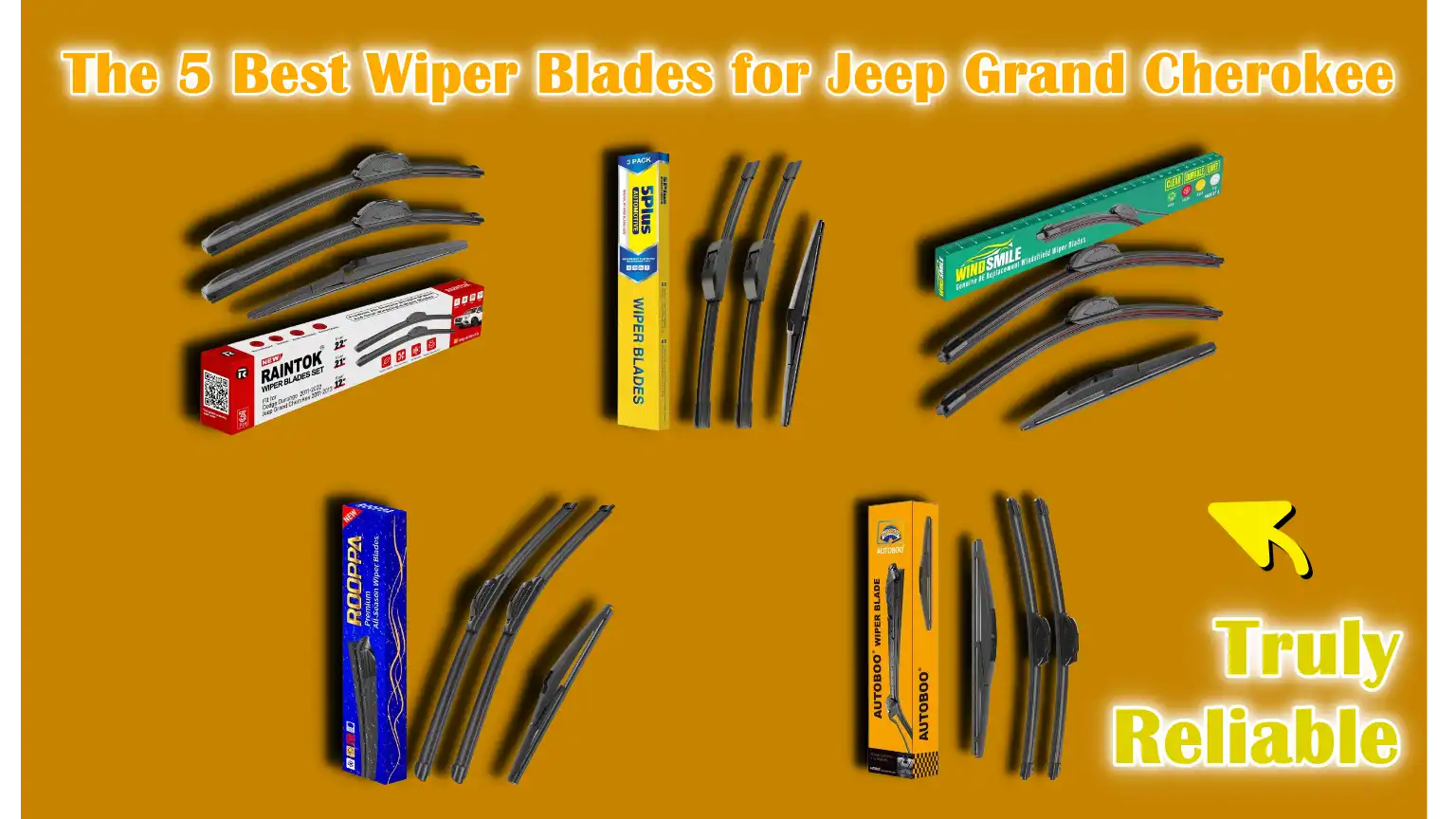
#1. Raintok

So, here’s comes truly durable and high quality wiper blades for Jeep Grand Cherokee that supports 2011 to 2013 models.
Even because of the size of 22 inch + 21 inch front with 12 inch rear windshield dimension they becomes perfectly fit on Jeep Grand Cherokee’s windshield.
The premium construction is ensures by its natural rubber material that make sure to give best wiping with quiet operation without any kind of squeaks.
As well as, their aerodynamic design also reduces wind lift at the high speeds, which is why they actually provides real smooth operation in both rain and snow as well.
#2. 5 PLUS

Now, 5 PLUS comes with this true water-repellent wiper blades for Jeep Grand Cherokee from 2014 to 2021 models.
So, totally 3 wipers comes and sizes of these windshield wipers are: 22 inch + 21 inch + 11 inch that is why it suits the 2014 to 2021 models of Jeep Grand Cherokee’s windshield in the perfect way.
Also, you can use these blades on the rain, snow, mud, dust and to remove the debris from the windshield as well, because of the design and quality of the wipes they significantly improves the visibility in all-weather conditions that makes reliable ones.
#3. WINDSMILE

Now, WINDSMILE is known for their ultra-protective wiper blades which is actually designed for smooth, quiet and consistent wiping as they comes in sizes 26 inch + 20 inch + 10 inch which makes them truly compatible one for Jeep Grand Cherokee 2022 2023 2024 2025 & Jeep Grand Cherokee L 2021 to 2025 as well.
Because of the full contact across the glass, it actually minimizes the possible streaks and noise as well, also these blades are made with a durable rubber compound to provide long-lasting reliable performance in various weather conditions.
Plus, these blades are made with the precision engineering way that provides optimal contact and even pressure distribution, aerodynamic design that literally reduces wind lift and noise as well.
#4. Rooppa

Now, Rooppa is really experienced wiper blade manufacturers, which is actually known for their high quality and truly durable products.
It is basically designed in a way to provide the clear vision in touch conditions like: snow, ice and heavy rain as well, as the wiping ability of these Jeep Grand Cherokee wiper blades truly enhanced by the aerodynamic design that provide the consistent wiping ability even on the high speeds.
Basically, it supports 2014 to 2021 Jeep Grand Cherokee as these ones comes with sizes of 22 inch + 21 inch + 11 inches rear one.
You can easily install them because it comes with U/J hook, so that you can just plug it and use it easily.
#5. AUTOBOO

AUTOBOO is known for combining advanced technology with the premium materials and these are preferred by drivers who value high performance and longevity as well.
It comes with complete set of 3 blades: 26 inch + 20 inch + 10 inch which are left and right and the rear one, because of the dimension of blades these becomes compatible with 2022 to 2025 Jeep Grand Cherokee.
It is designed with the durable rubber and aerodynamic way that even improves visibility during the heavy rain and when you drive in high speeds as well.
How to Replace Wiper Blades on a Jeep Grand Cherokee

Replacing the wiper blades on your Jeep Grand Cherokee is a simple yet essential maintenance task that helps ensure clear visibility and safe driving in all weather conditions.
Wiper blades deteriorate over time due to constant use, exposure to sunlight and environmental elements like dust or salt.
When they start streaking, skipping, or making noise, it’s a sign that they need replacing.
Installing new blades only takes a few minutes and doesn’t require any special tools, but it’s crucial to follow the correct steps to avoid damaging the windshield or wiper arm.
Proper installation ensures the new blades make full contact with the glass, move smoothly and function effectively when you need them most.
1. Lift the Wiper Arm
The first step is to carefully lift the wiper arm away from the windshield until it locks into an upright position.
This will give you room to safely remove the old blade.
Always lift the arm gently and hold it firmly, as it is spring-loaded and can snap back and hit the glass if released suddenly.
If a blade is not attached and the arm falls, the metal edge could hit and break the windshield, so handle it with care.
Performing this step slowly and safely prevents accidents and makes the replacement process easier.
2. Remove the Old Blade
Most Jeep Grand Cherokee wipers have a small release tab or clip where the blade attaches to the wiper arm.
Press or slide this tab to unlock the old blade from the connector.
Once the latch is released, slide the blade down or out, depending on the type of connector.
Gently remove the old blade and set it aside.
Some older blades may be tight due to dirt or rust, so they may need a little wiggling to loosen them.
Removing the blade correctly prevents damage to the arm and ensures the new blade fits properly.
3. Install the New Wiper Blade
Before installing the new blade, confirm that it matches the size and connector type of the old blade.
Align the new blade’s adapter with the wiper arm’s hook or locking slot.
Slide or click the blade into place until you hear or feel it securely lock.
A proper connection is crucial, as a loose or incorrectly fitted blade can detach during use, specially at high speeds or in heavy rain.
Once installed, gently pull on the blade to ensure it is secure and properly aligned.
The rubber edge should be facing the windshield and the blade should move freely when the arm is moved up or down.
4. Lower the Arm and Test the Blades
After installing the new blade, carefully lower the wiper arm back onto the windshield.
Make sure it is properly seated and the rubber edge lies flat against the glass.
Repeat this process for the other wiper blade and the rear blade if applicable.
Once all blades are installed, turn on the wipers and test them with washer fluid to check that they operate smoothly, quietly and wipe completely.
Testing ensures the blades are properly installed and there are no streaks or gaps during operation.
5. Safety Tips to Protect the Windshield
When changing wiper blades, take extra care to protect the windshield from damage.
Never let a bare wiper arm snap back forcefully onto the glass, as this can cause chips or cracks in the glass.
If you need to pause during the process, place a soft towel or cloth between the arm and the windshield to act as a protective barrier.
Always handle the new blade by the frame, not the rubber edge, to prevent the wiping surface from bending or getting dirty.
Finally, it’s a good practice to clean the windshield and wiper arms before installing the new blades, as dirt or debris can shorten their lifespan and affect performance.
Following these simple precautions ensures a safe and effective replacement every time.
First, Understand Wiper Blade Function
Wiper blades are one of the simplest yet most crucial components of your Jeep Grand Cherokee’s safety system.
Their primary function is to clear rain, dirt, snow, or debris from the windshield, ensuring you always have a clear view of the road.
When you activate your wipers, an electric motor moves the wiper arms back and forth across the windshield.
The blades apply consistent pressure to the glass, wiping away water and debris to maintain clear visibility in all conditions.
This process may seem simple, but it plays a vital role in preventing accidents caused by poor visibility.
Even a few seconds of reduced visibility in inclement weather can significantly increase the risk of losing control of the vehicle or missing an obstacle on the road.
1. How Wiper Blades Work and Why They Are Important
Each time the wiper switch is activated, a motor and linkage system inside the vehicle controls the movement of the wiper arms.
The blades follow a precise arc designed to cover the maximum possible area of the windshield, ensuring that no corners or streaks are missed.
The pressure between the blade and the glass is carefully balanced to maintain full contact with the curved surface of the windshield.
This consistent pressure helps to evenly remove moisture, dirt, or snow, providing the driver with a clear view at all times.
In vehicles like the Jeep Grand Cherokee, which are often driven in varying weather conditions or off-road environments, wiper blades play a critical role in maintaining both visibility and safety.
2. Main Components of a Wiper Blade
A typical wiper blade consists of three main components: the rubber blade, the frame or beam structure and the connector.
The rubber blade is the part that comes into direct contact with the windshield and wipes away water or debris.
It is made of either natural rubber or synthetic silicone, which provides flexibility and smooth contact.
The frame or beam structure holds the rubber in place and applies even pressure to the windshield.
Beam blades, which are more advanced, do not have a metal frame; instead, they use a curved, aerodynamic design that conforms better to the windshield and reduces wind lift at high speeds.
Finally, a connector attaches the blade to the wiper arm and it must be securely fitted for the blade to function correctly.
A secure connection prevents the blade from detaching or slipping during use, which is specially important during heavy rain or snowfall.
3. Signs of Worn or Damaged Wiper Blades
Like any other car part, wiper blades wear out over time.
When the rubber hardens, cracks, or becomes stiff, the blades can no longer properly clean the windshield.
Common symptoms of worn wiper blades include streaking, skipping, chattering noises, or areas of the windshield that are not being cleaned.
Streaking usually occurs when the rubber edge is worn or dirty.
Skipping happens when the blade loses its flexibility and cannot maintain full contact with the glass.
Chattering or squeaking noises indicate that the blade is either too dry or its smooth coating has worn off.
Poor wiping performance is often most noticeable in the first few minutes of rain when visibility is rapidly reduced.
Replacing the blades as soon as these symptoms appear ensures clear visibility and also prevents potential damage to the windshield from worn or hardened rubber.
Basic Wiper Blade Sizes for the Jeep Grand Cherokee
Wiper blade sizes may seem like a minor detail, but they play a crucial role in ensuring proper windshield coverage and safe driving visibility.
Each Jeep Grand Cherokee model comes with specific wiper blade sizes designed to match the shape and curvature of its windshield.
Using the wrong size can compromise wiping performance, leading to streaks or missed areas, which can reduce visibility during rain or snowfall.
Generally, most Jeep Grand Cherokee models use a 22-inch wiper blade on the driver’s side, a 21-inch blade on the passenger side and an 11-inch blade for the rear window.
However, these sizes can vary slightly depending on the model year, trim level and even the windshield design.
For example, newer Grand Cherokee models often feature beam-style blades that offer better aerodynamic contact and may differ slightly in length from older, framed versions.
1. The Importance of Verifying the Correct Size Before Purchasing
Before purchasing new wiper blades, it’s essential to verify the correct size for your specific Jeep Grand Cherokee model.
Even a difference of just one inch in length can cause problems such as improper wiping, blade interference, or incomplete coverage of the windshield edges.
A blade that is too long may hit the edge of the windshield or overlap with the other blade, while a blade that is too short will fail to clean certain areas of the glass.
The correct fit ensures that the wipers operate smoothly, maintain consistent pressure on the windshield and provide clear visibility in all weather conditions.
Many online auto parts stores and wiper blade brands offer lookup tools where you can enter your vehicle’s make, model and year to find the correct fitment.
Double-checking this information saves time, ensures safety and avoids unnecessary returns.
2. How to Confirm the Correct Fitment
The most reliable way to verify the correct wiper blade size is to consult your vehicle’s owner’s manual or check the Original Equipment Manufacturer (OEM) specifications.
OEM specifications are designed by the vehicle manufacturer and guarantee that the replacement wiper blades meet the same quality, pressure and length standards as the original blades.
Another easy method is to measure the existing blades on your Jeep before replacing them, ensuring that both the length and connector type match.
The connector, which attaches the blade to the wiper arm, varies by model, so using a blade with the correct adapter is just as important as choosing the correct length.
Following the manufacturer’s recommendations ensures that the new blades will fit properly, function correctly and provide optimal performance throughout their service life.
What are the Types of Wiper Blades Available
Not all wiper blades are created equal and understanding the different types will help you choose the best blades for your Jeep Grand Cherokee.
Each type is designed with a specific design, material and performance objective in mind.
You’ll find three main types on the market: conventional frame blades, beam blades and hybrid blades.
They all perform the same basic function – keeping your windshield clean – but they differ in terms of pressure, durability and weather resistance.
Choosing the right type depends on your driving conditions, local weather and how often your vehicle is exposed to rain, snow, or dusty environments.
Knowing the differences between them will result in better wiping performance, quieter operation and longer blade life.
1. Conventional Frame Blades
Conventional frame blades are the traditional type that most vehicles have used for many years.
They feature a metal frame that holds the rubber wiping element in place.
The frame applies pressure to the windshield through multiple contact points called claws, ensuring the rubber stays in contact with the glass as it moves.
These blades are typically the most economical option and are readily available at almost any auto parts store.
They perform well in light to moderate weather but may struggle in heavy snow or icy conditions because snow can accumulate in the open frame, reducing flexibility and wiping efficiency.
While not the most advanced, conventional blades remain a reliable option for drivers who want a simple, affordable solution and don’t frequently face harsh weather.
2. Beam Blades
Beam blades are a more modern version of windshield wipers and are designed with a sleek, aerodynamic shape.
Instead of a metal frame, they utilize a curved piece of spring steel inside a rubber structure.
This design helps the blade maintain consistent pressure across the entire windshield, even on curved glass surfaces like those of the Jeep Grand Cherokee.
Beam blades perform exceptionally well in all weather conditions, specially heavy rain and snow, as they have no exposed parts where ice or debris can accumulate.
They also reduce wind lift at high speeds, making them quieter and smoother in operation.
Most newer vehicles come factory-equipped with beam blades due to their superior performance and longevity.
While they may be more expensive than conventional blades, their durability and reliability make them an excellent investment for safety and visibility.
3. Hybrid Blades
Hybrid wiper blades combine the strength of a metal frame with the flexibility of beam blade technology.
They feature a structured frame for robust pressure distribution and a covered outer shell that protects the joints from ice, dirt and debris.
This design gives them the durability of traditional blades and the aerodynamic advantages of beam blades.
Hybrid blades are best for drivers who need reliable performance in varying weather conditions, from sunny days to freezing temperatures.
They provide excellent contact with the windshield, reduce wind noise and remain flexible in both hot and cold temperatures.
For the Jeep Grand Cherokee, which is often driven in diverse terrains and weather conditions, hybrid blades offer a good balance between cost, durability and year-round reliability.
4. Comparison of Types
Traditional frame blades are inexpensive and easy to replace but can deteriorate quickly in harsh weather.
Beam blades offer the best overall performance with quiet, smooth operation and superior contact pressure, making them ideal for all-weather use.
Hybrid blades fall in the middle, offering a balance of durability, safety and flexibility at a reasonable price.
Understanding these differences allows you to choose wiper blades that match your driving needs, ensuring your Jeep Grand Cherokee maintains clear visibility and reliable performance all year round.
Basic Key Features to Look For Jeep Grand Cherokee’s Wiper Blades
When choosing new wiper blades for your Jeep Grand Cherokee, paying attention to the right features can make a significant difference in performance, durability and overall safety.
Modern wiper blades are designed with advanced materials and smart engineering to handle various weather conditions and driving environments.
The best blades provide clear visibility even in rain, snow, dust and bright sunlight.
As the Grand Cherokee is often used in diverse weather and terrains, choosing wiper blades with all-weather capabilities is crucial.
Understanding these features ensures your wipers operate efficiently, last longer and prevent unnecessary wear or damage to your windshield.
1. All-Weather Performance
A high-quality wiper blade should perform well in all weather conditions, including heavy rain, light mist, snow and dusty or muddy conditions.
All-weather blades are designed with flexible rubber compounds that remain pliable in cold weather and strong enough in heat to maintain proper contact with the glass.
Some blades feature a special coating or blended rubber formula that helps repel water and prevent ice buildup in winter.
This ensures smooth and consistent movement even in heavy storms or freezing conditions.
For a vehicle like the Jeep Grand Cherokee, built for versatility, reliable all-weather performance wipers ensure you stay safe no matter where or when you drive.
2. Durable Rubber or Silicone Construction
The material used in wiper blades directly impacts their lifespan and wiping quality.
Traditional blades use natural rubber, which offers flexibility but can degrade quickly when exposed to sunlight, dirt and temperature fluctuations.
Modern wiper blades often use synthetic rubber or silicone, which resists cracking, hardening and UV damage.
Silicone blades, in particular, are known for their long lifespan and their ability to create a water-repellent layer on the windshield after repeated use.
This coating helps rainwater bead up and slide off the glass easily, improving visibility even when the wipers are off.
Choosing wiper blades made from durable materials ensures a smooth wiping action and reduces the need for frequent replacements over time.
3. Easy Installation and Adapter Compatibility
Most importantly, but often overlooked, is the ease of installation.
Wiper blades come with different connectors that must match the wiper arm design on your Jeep Grand Cherokee.
The correct fit ensures that the blades are securely attached and function properly during use.
Many modern blades include universal adapters or pre-installed connectors that make replacement easy and tool-free.
Choosing a set that is easy to install saves time, prevents improper fitting and ensures consistent performance from the start.
Always check that the wiper blades you choose are compatible with your specific vehicle model and year to avoid any fitting issues.
4. Quiet Operation and Streak-Free Performance
A well-designed wiper blade should operate quietly and leave no streaks on the windshield.
Noise or chattering usually indicates that the blade is not making full contact with the glass or that the rubber edge has become uneven.
High-quality blades utilize specially formulated rubber compounds and aerodynamic designs that minimize vibration and noise.
Even pressure distribution allows them to glide smoothly across the windshield, removing every drop of water without leaving streaks.
Streak-free wiping not only improves visibility but also reduces eye strain during long drives or nighttime travel.
Quiet operation provides comfort, specially during continuous rain or when using the wipers on dry glass for cleaning.
5. UV Resistance and Corrosion Protection
Exposure to sunlight and harsh weather conditions can degrade wiper blades over time.
Ultraviolet (UV) rays can dry out and crack the rubber, while road salt, rain and moisture can corrode the metal components.
Wiper blades with a UV-resistant coating and corrosion-protected frames last longer and continue to perform well even after months of exposure to the sun.
Many premium blades utilize powder-coated or stainless-steel frames to prevent corrosion and maintain durability.
This protection is specially important for vehicles like the Jeep Grand Cherokee, which are used outdoors and are frequently exposed to direct sunlight or varying weather conditions.
UV and corrosion resistance ensure that your blades remain flexible, strong and reliable in all weather conditions.
Read More:
Common Maintenance Tips for Longer Wiper Life
Properly maintaining your Jeep Grand Cherokee’s wiper blades can extend their lifespan, improve visibility and ensure safe driving in all weather conditions.
Wiper blades are exposed daily to sun, rain, dirt, snow and dew, which can cause the rubber to dry out, crack, or lose its flexibility over time.
By adopting simple maintenance practices, you can prevent premature wear and maintain smooth, streak-free wiping performance.
Regular maintenance not only protects your windshield but also saves money by reducing the frequency of replacements.
1. Clean the Blades and Windshield Regularly
The most effective way to maintain wiper blades is to keep both the blades and the windshield clean.
Dust, dirt and road grime can accumulate on the rubber edge, leading to streaking, skipping and noise.
Use a soft cloth or sponge with mild soap and water to gently wipe the blades along the rubber edge.
Cleaning the windshield as well ensures that the blades glide smoothly across the glass without dragging dirt.
This simple step helps the blades last longer and improves their performance during heavy rain or snowfall.
2. Avoid Using Wipers on Dry or Icy Surfaces
Using wipers on a dry windshield creates unnecessary friction, causing the rubber to wear down faster.
Similarly, running wipers over ice or frozen snow can damage the rubber edge or bend the wiper arm.
It’s essential to manually remove snow or thick ice with a scraper or brush before activating the wipers.
Avoiding these conditions helps maintain the rubber’s flexibility and prevents uneven wiping or streaking.
This practice is specially important for Jeep Grand Cherokee owners who drive in cold winters or dry, dusty climates.
3. Inspect for Cracks or Tears Periodically
Even with careful use, wiper blades can develop cracks, tears, or rough edges over time.
Regularly inspecting the blades for damage allows you to catch problems before they affect visibility.
Look for uneven wear, missing pieces of rubber, or bent frames.
If any of these signs are present, replacing the blades promptly ensures consistent wiping performance and protects the windshield from scratches caused by hardened or damaged rubber.
Regular inspections make it easy to maintain safe driving conditions throughout the year.
4. Replace Every 6-12 Months Based on Weather and Usage
Most automotive experts recommend replacing wiper blades every six to twelve months, depending on weather conditions and frequency of use.
Vehicles exposed to heavy rain, snow, or excessive sunlight may require more frequent replacements.
Even if the blades appear intact, the rubber can lose its flexibility over time, reducing its contact with the windshield and causing streaking.
Replacing wipers on a regular schedule ensures clear visibility, reduces stress on the wiper motor and keeps your Jeep Grand Cherokee ready for all driving conditions.
Following this guideline is a simple yet crucial step for long-term safety and optimal performance.
Common Problems and Their Best Solutions
Even high-quality wiper blades on a Jeep Grand Cherokee can experience problems over time due to wear and tear, weather exposure, or improper installation.
Understanding and addressing common issues helps maintain clear visibility and ensures safe driving.
By recognizing signs of malfunction and knowing the correct fixes, drivers can extend the lifespan of their blades and prevent unnecessary damage to the windshield.
As well as, studies also shows that the car’s overall airflow actually affects the wiping, as it is not just about the airflow of the blade itself only, which is why blades should be matches to windshield curvature and vehicle airflow so that it gives better, more complete wiping on the way to full sweep.[¹]
1. Streaking or Smearing
Streaking or smearing occurs when the wiper blades fail to properly clean the windshield, leaving behind lines or streaks of water.
This problem is often caused by worn or hardened rubber, dirt or debris trapped on the blade, or an uneven windshield surface.
To address streaking, first thoroughly clean the blades and windshield with a soft cloth and mild detergent.
If streaking persists, check the rubber edge for cracks or damage and replace the blades if necessary.
In some cases, applying a water-repellent coating to the windshield can also reduce streaking and improve visibility during rain.
2. Noisy or Chattering Wipers
Wipers that chatter, squeak, or make unusual noises typically indicate uneven contact with the windshield or hardening of the blade edge.
This can happen when the blades lose their flexibility due to UV exposure, extreme temperatures, or prolonged use.
To fix this, inspect the blades for wear and tear and replace them if needed.
Also, ensure that the wiper arm is applying even pressure to the windshield.
In some cases, adjusting the arm or cleaning the blades and windshield can eliminate the noise.
Proper lubrication of the wiper pivot points can also help reduce rattling.
3. Uneven Wiping
Uneven wiping occurs when certain areas of the windshield are not properly cleaned, leaving gaps or streaks.
This problem is typically caused by bent or misaligned wiper arms, incorrect blade installation, or uneven pressure on the blades.
To troubleshoot, inspect the wiper arms to ensure they are straight and securely attached.
Confirm that the new blades are installed correctly and are compatible with the Jeep Grand Cherokee’s wiper arm connectors.
If the arms are bent or the pressure is uneven, carefully adjust them or consult a professional for proper alignment.
Correcting these issues ensures a clear windshield and maintains driving safety.
Conclusion – Best Wiper Blades for Jeep Grand Cherokee
There isn’t a choice to maintain a wiper blade or not, as you have to do it to achieve clear visibility during the drive and this is really important to be safe throughout the journey.
Not only this, high-quality wiper blades ensure that rain, snow, dust and debris are effectively cleared, providing you with a clear view of the road in all weather conditions.
Choosing the right type, size and brand, along with proper installation, maintenance and timely replacement, can significantly extend their lifespan and improve performance.
Simple maintenance practices such as regular checks for streaking, noise, or uneven wiping and cleaning the blades and windshield, can prevent common problems and reduce the risk of accidents caused by poor visibility.
By investing in durable wiper blades with features like all-weather performance, UV resistance and quiet operation, you not only protect your windshield but also enhance your overall driving experience.
Proper wiper maintenance ensures that your Jeep Grand Cherokee is always ready for any road or weather condition, giving you peace of mind and confidence while driving.
Now, you can ask the questions and your thoughts about this guide in the comment box.
Frequently Asked Questions
Q1. How often should I replace the wiper blades on my Jeep Grand Cherokee?
Answer: Wiper blades typically need replacing every 6 to 12 months, depending on how often you use them and the type of weather conditions you drive in. If your blades are streaking, skipping, or making noise, it’s best to replace them sooner. Regular replacement ensures clear visibility, safer driving and protects your windshield from potential damage.
Q2. How do I know what size wiper blades I need for my Jeep Grand Cherokee?
Answer: Wiper blade size depends on the model year and which side of the windshield the blade is on. Generally, a 22-inch blade is used on the driver’s side, a 21-inch blade on the passenger side and an 11-inch blade on the rear window, although this may vary slightly. The most reliable way to determine the correct size is to consult your owner’s manual or OEM specifications. You can also measure your existing blades for the correct fit.
Q3. What is the difference between traditional, beam and hybrid wiper blades?
Answer: Traditional blades have a metal frame that holds the rubber blade in place. They are economical and work well in light to moderate weather but may struggle in heavy rain or snow. Beam blades feature a curved, single-piece design without an exposed metal frame, which helps them maintain consistent pressure on the windshield and perform well in all weather conditions. Hybrid blades are the best of both worlds, offering the durability of a frame with the aerodynamic design of a beam, making them a balanced option for all-weather use.
Q4. Can I install wiper blades on my Jeep Grand Cherokee myself?
Answer: Yes, replacing wiper blades is easy and can usually be done without any special tools. First, lift the wiper arm away from the windshield, then remove the old blade using the connector tab. Remove the old blade, properly attach the new blade and gently lower the arm back onto the windshield. Testing the blades after installation ensures proper contact and smooth wiping. Following the correct steps prevents damage to the windshield and ensures reliable performance.
Q5. How can I maintain my wiper blades to make them last longer?
Answer: Regular maintenance helps extend the life of your wiper blades. Clean the blades and windshield frequently to remove dirt and debris, avoid using the wipers on dry or icy surfaces and inspect the blades for cracks or tears. Replacing them on a schedule every 6 to 12 months helps maintain optimal performance. Proper maintenance ensures streak-free wiping, quiet operation and better protection for your windshield.
Q6. What should I do if my wipers leave streaks, skip, or make noise?
Answer: Streaking or skipping usually occurs when the rubber is worn, dirty, or hardened. Clean the blades and windshield thoroughly and replace the blades if the problem persists. Noisy or chattering wipers may indicate uneven pressure, hardened rubber, or a misaligned arm. Check that the blades are properly installed, the arms are straight and the blades are making full contact with the windshield. Adjusting or replacing the blades and arms as needed will restore smooth and quiet operation.
References:
[1] Numerical Analysis on Aerodynamic Forces on Wiper System
https://pubs.aip.org/aip/acp/article-abstract/1376/1/213/800407/Numerical-Analysis-on-Aerodynamic-Forces-on-Wiper

Guys, I’m a car audio enthusiast and customization expert and I love clear sound and clean installation. Plus, I have spent years helping people build their dream audio setups. And whenever I’m working on cars, I probably listen to music and thinks about the next big upgrade.