
Written By: Don Dodi
Fact Checked By: Kristen Brown
Reviewed By: Diego Rosenberg
If your vehicle’s catalytic converter is dirty or has carbon buildup inside it, then it can silently reduce the engine power or ignored one for the long period can lead to the major costly failure as well.
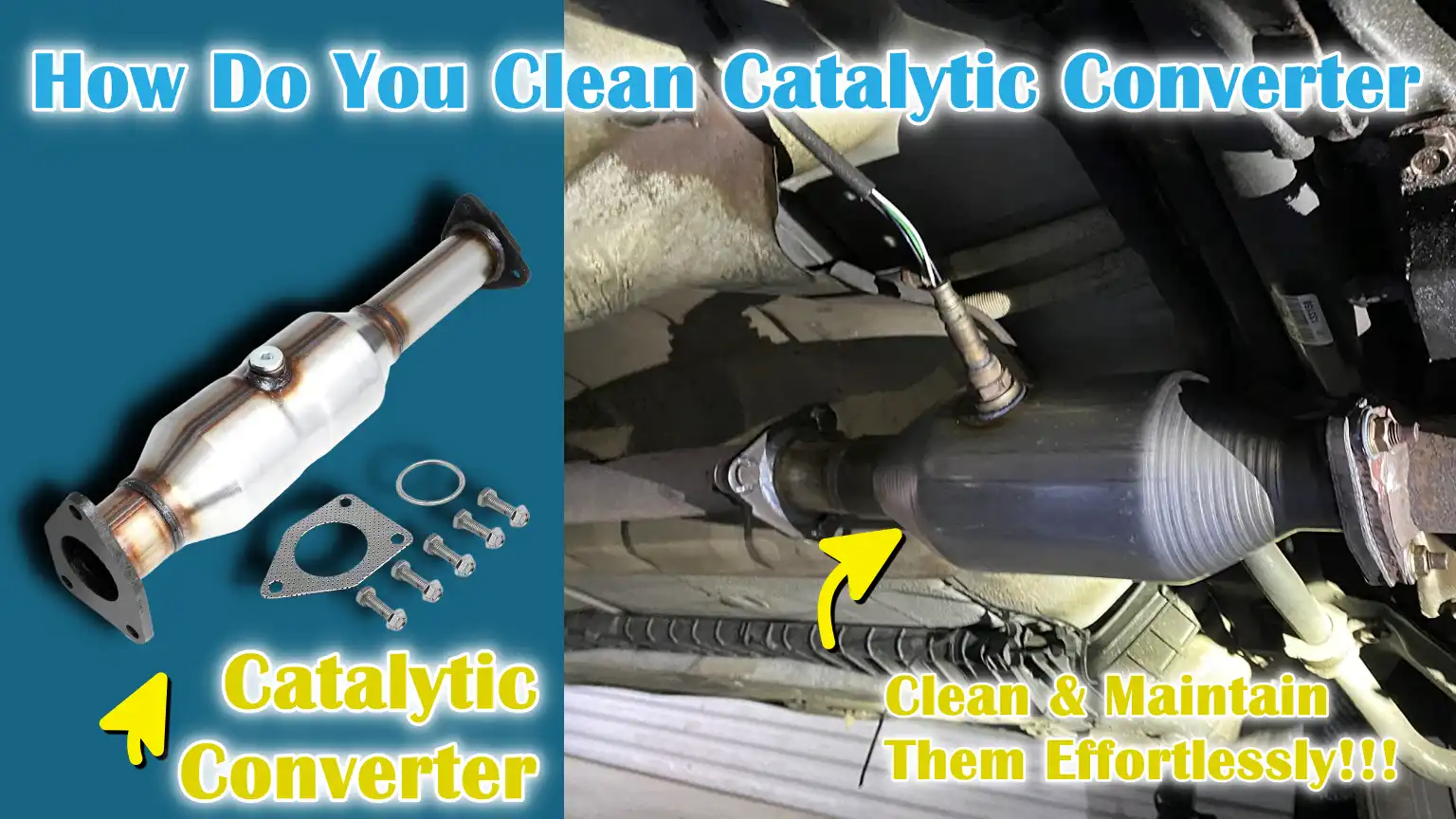
Basically, a catalytic converter is a critical part of a vehicle’s exhaust system, that literally helps the exhaust to reduce harmful gases before they leave that tailpipe.
So, it works by using some precious metal coatings, which is inside its honeycomb structure that covert the toxic pollutants such as: carbon monoxide, nitrogen oxide and unburden hydrocarbons into the relatively less harmful gases like: carbon dioxide and water vapor.
But, like other components if the maintenance is due, then over the period of time this component can become dirty or partially clogged as well due to the carbon buildup, oil residue, coolant contamination even the unburned fuel plays a contamination problem that later can cause engine problems as well.
And, whenever these things happens such as: exhaust gases not flowing freely, then it can lead to the poor engine performance, increases emissions, reduces fuel efficiency and even it can trigger the warning lights on the dashboard as well.
So, this is the guide that is all about How Do You Clean Catalytic Converter, so that you can restore that nice and proper exhaust flow, you can easily improve the fuel economy and reduce unwanted emissions without needing replacement right away.
Common Signs That Your Catalytic Converter Needs Cleaning
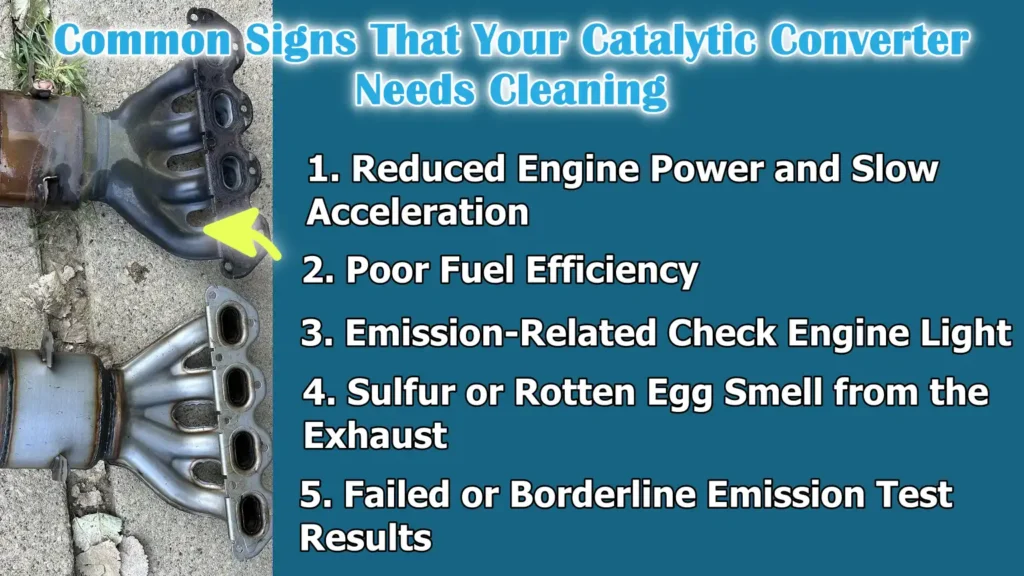
1. Reduced Engine Power and Slow Acceleration
When a catalytic converter becomes dirty or partially clogged, exhaust gases cannot exit the engine easily.
This creates back pressure in the exhaust system, making it difficult for the engine to “breathe”.
As a result, the vehicle may feel weak, sluggish, or slow to respond when you press the accelerator.
You might experience difficulty when overtaking, climbing hills, or merging into traffic.
This loss of power often happens gradually, which is why many drivers overlook it until the performance is significantly reduced.
2. Poor Fuel Efficiency
A clogged catalytic converter can negatively impact how efficiently the engine burns fuel.
When exhaust gases are trapped, the engine has to work harder to produce the same amount of power, leading to increased fuel consumption.
You might find yourself filling up more often, even if your driving habits haven’t changed.
Poor fuel efficiency is one of the most common early signs that the catalytic converter is not functioning correctly and may need cleaning before the problem worsens.
3. Emission-Related Check Engine Light
Modern vehicles use sensors to monitor exhaust gases before and after the catalytic converter.
If the converter is not effectively cleaning the emissions, these sensors can detect abnormal readings and trigger the check engine light.
While this warning light can illuminate for many reasons, emission-related fault codes often point to a catalytic converter that is dirty or losing its efficiency.
Ignoring this warning can lead to increased emissions over time and potentially more serious damage to the engine or exhaust system.
4. Sulfur or Rotten Egg Smell from the Exhaust
A strong sulfur or rotten egg smell from the exhaust is a clear indication that the catalytic converter is struggling to properly process the exhaust gases.
This odor is caused by sulfur compounds in the fuel that are not being fully converted into harmless gases.
When the converter is contaminated or clogged, these compounds escape through the exhaust, resulting in an unpleasant smell.
This odor should never be ignored, as it often signals reduced efficiency or internal contamination of the converter.
5. Failed or Borderline Emission Test Results
During an emissions test, the catalytic converter plays a crucial role in reducing harmful gases.
If it is dirty or partially blocked, it will not be able to reduce emissions to acceptable levels.
This can result in a failed emissions test or borderline results, even if the engine is otherwise running normally.
In many cases, cleaning the catalytic converter at this stage can improve emission readings and save the expense of immediate replacement, provided there is no significant internal damage.
Know, What are the Causes of Clogging in the Catalytic Converter
1. Carbon Deposits from Incomplete Combustion
Carbon deposits are one of the most common causes of fouling in catalytic converters.
Incomplete combustion occurs when fuel does not burn completely inside the engine, often due to poor ignition or an incorrect air-fuel mixture.
When this happens, unburned fuel particles and carbon deposits are carried into the exhaust system and adhere to the honeycomb structure inside the catalytic converter.
Over time, these deposits reduce the surface area necessary for chemical reactions, diminishing the converter’s ability to clean exhaust gases and obstructing airflow.
2. Oil or Coolant Leaks in the Exhaust System
Leaks of oil or coolant can cause significant fouling inside the catalytic converter.
When engine oil leaks past worn piston rings or valve seals, or when coolant enters the exhaust due to a faulty head gasket, these fluids burn in the exhaust stream.
The residue deposits on the converter’s internal surfaces and clogs its pores, preventing proper gas flow and chemical conversion.
This type of fouling is particularly damaging as it often causes permanent damage if not addressed promptly.
3. Excessive Idling and Short Trips
Frequent short trips and prolonged idling prevent the catalytic converter from reaching its ideal operating temperature.
The converter requires high temperatures to burn off carbon deposits and function efficiently.
When a vehicle is only driven for short distances, the exhaust system remains relatively cool, allowing pollutants to accumulate over time.
This gradual buildup can reduce efficiency, even if the engine itself is running normally.
4. Faulty Spark Plugs or Fuel Injectors
Faulty spark plugs or fuel injectors can disrupt proper combustion inside the engine.
Spark plugs that don’t fire correctly or injectors that spray fuel unevenly can cause misfires and send excess fuel into the exhaust system.
This unburned fuel overheats the catalytic converter and leaves deposits that clog its internal structure.
Consistent misfires can quickly damage the converter and shorten its lifespan.
5. Rich Air-Fuel Mixture Problems
A rich air-fuel mixture means the engine is using too much fuel compared to the amount of air entering the combustion chamber.
This condition is often caused by faulty sensors, poor engine tuning, or problems in the intake system.
The excess fuel that doesn’t burn in the engine reaches the catalytic converter, where it creates heavy carbon deposits and reduces efficiency.
Over time, running a rich mixture can damage the converter, leading to increased emissions and performance issues.
Take Some Easy But Crucial Safety Precautions Before Cleaning the Catalytic Converter
1. Allowing the Exhaust System to Cool Completely
Before cleaning the catalytic converter, it is crucial to allow the exhaust system to cool down completely.
During normal driving, the catalytic converter can become extremely hot, often hot enough to cause severe burns upon contact.
Cleaning or handling the converter while it is hot can lead to serious injury and damage to surrounding components.
Allowing the vehicle to sit for several hours after driving ensures that the metal parts are safe to touch and minimizes the risk of accidents.
2. Wearing Gloves and Eye Protection
Safety gloves and eye protection are essential when working near the exhaust system.
Dirt, carbon deposits and chemical cleaners can irritate the skin and cause eye injuries upon contact.
Gloves help protect your hands from sharp edges, hot surfaces and harmful substances, while safety glasses prevent dust and liquid splashes from entering your eyes.
Simple safety equipment significantly reduces the risk of injury during the cleaning process.
3. Working in a Well-Ventilated Area
Catalytic converter cleaning should always be performed in a well-ventilated area.
Exhaust fumes and cleaning vapors can be harmful if inhaled, specially in enclosed spaces like garages where airflow is limited.
Proper ventilation allows fresh air to circulate, reducing the buildup of hazardous gases.
This protects your lungs and ensures a safe working environment during the cleaning process.
4. Using Proper Jack Stands if the Vehicle Needs to Be Lifted
If the vehicle needs to be lifted to access the catalytic converter, proper jack stands must be used.
Relying solely on a hydraulic jack is unsafe as it can fail or slip without warning.
Jack stands provide stable support and safely hold the vehicle up while you work underneath it.
Using the correct lifting equipment significantly reduces the risk of serious injury from the vehicle falling.
5. Avoiding harsh chemicals that can damage internal components
Not all cleaning chemicals are safe for catalytic converters.
Harsh or strong chemicals can damage the delicate internal honeycomb structure and reduce the converter’s ability to process exhaust gases.
Using mild, manufacturer-approved cleaners protects the internal coating and ensures that the cleaning process doesn’t cause any permanent damage.
Choosing the right cleaning method is just as important as the cleaning itself for long-term performance and safety.
Let’s Understand About Cleaning Methods & Their Benefits
1. Overview of Available Cleaning Methods
There are several methods for cleaning a catalytic converter and each method is designed for different levels of contamination.
Some methods focus on cleaning the inside of the converter while it remains installed in the vehicle, while others require removing the converter for a more thorough cleaning.
All cleaning methods aim to remove carbon deposits, fuel residue and other contaminants that restrict exhaust flow and reduce efficiency.
Understanding the basic purpose of each method allows vehicle owners to choose a safe and effective solution without causing further damage.
2. Difference Between Internal and External Cleaning
Internal cleaning targets the inside of the catalytic converter, where harmful gases pass through the honeycomb structure.
This is typically done using specially designed cleaners or driving techniques that increase exhaust temperatures to burn off deposits.
External cleaning, on the other hand, involves removing the catalytic converter from the vehicle and washing away surface contaminants.
Internal cleaning is less invasive and easier for beginners, while external cleaning allows for a more thorough inspection but requires more tools and mechanical expertise.
3. Advantages and Disadvantages of Each Method
Each cleaning method has its own advantages and disadvantages.
Internal cleaning methods are generally easier, faster and do not require disassembly, making them suitable for early-stage deposits.
However, they may not completely remove heavy contamination.
External cleaning allows for a more thorough removal of debris and visible blockages, but it is more time-consuming and carries a higher risk of improper handling.
Understanding these advantages and disadvantages helps manage expectations and avoid unnecessary repairs.
4. Choosing the Right Method Based on the Severity of the Blockage
The severity of the blockage plays a crucial role in choosing the correct cleaning method.
Mild to moderate blockages can often be resolved with in-situ cleaning, specially if the performance problems have only recently begun.
More severe blockages or heavily contaminated converters may require removal for proper cleaning or professional inspection.
Choosing the right approach promptly can restore exhaust flow, improve engine performance and delay the need for replacement, saving both time and money.
How to Clean a Catalytic Converter By Cleaner In-Tank
1. How Fuel System Cleaners Work
In-tank catalytic converter cleaners are designed to be mixed with fuel and circulated throughout the entire fuel and exhaust system.
When the treated fuel burns inside the engine, it helps loosen carbon deposits and unburned fuel residues that subsequently reach the catalytic converter.
During normal driving, as the exhaust temperature increases, these loosened deposits gradually burn off or break down into smaller particles that can exit through the exhaust.
This method works best for light to moderate deposits and aims to improve exhaust flow and emissions efficiency without removing any components.
2. Step-by-Step Process for Adding Cleaner to the Fuel Tank
Using an in-tank cleaner is a simple process, but timing and fuel level matter.
The cleaner is added directly to the fuel tank, usually before refueling, to ensure proper mixing.
Once added, the vehicle should be driven normally to allow the cleaner to circulate through the engine and exhaust system.
It’s crucial to follow the instructions on the product label, as incorrect fuel levels or improper use can reduce effectiveness.
3. Driving Conditions Necessary for Effective Cleaning
For in-tank cleaners to work effectively, the vehicle needs to reach and maintain higher exhaust temperatures.
This typically means driving at consistent speeds for extended periods rather than short city trips.
Highway driving allows the catalytic converter to get hot enough for the chemical cleaning process to begin.
Stop-and-go traffic or frequent idling can limit the cleaner’s ability to break down deposits, resulting in slower cleaning results.
4. Expected Results and Limitations
In-tank catalytic converter cleaners can help restore performance, improve fuel efficiency and reduce emission levels in cases of mild contamination.
When used correctly, drivers may experience smoother acceleration and fewer emission-related warning lights.
However, this method has limitations and cannot repair severe blockages, a melted internal core, or damage caused by oil or coolant.
In such cases, a more thorough cleaning or replacement may be necessary.
Understanding these limitations helps set realistic expectations and avoids over-reliance on chemical solutions.
How to Clean Catalytic Converter With High-Speed Driving – Passive Burn-Off
1. How Heat Helps Burn Off Carbon Deposits
Driving at higher speeds increases the exhaust temperature to a point where carbon deposits begin to burn off naturally, effectively cleaning the catalytic converter.
Catalytic converters are designed to operate most efficiently at higher temperatures, where chemical reactions convert harmful gases into safer ones.
When the exhaust system reaches this temperature, accumulated carbon and unburned fuel residue can break down and be expelled from the system.
This natural burn-off process can restore airflow and improve emissions performance, provided the deposits are not excessive.
2. Safe Driving Guidelines for This Method
Safety is paramount when using high-speed driving as a cleaning method.
This method should only be performed on open roads where higher speeds are legal and safe.
Sudden acceleration or aggressive driving should be avoided, as the goal is to run the engine consistently, not to stress the vehicle.
The driver should adhere to speed limits, obey traffic laws and ensure the vehicle is in good mechanical condition before attempting this method.
3. Recommended RPM Range and Duration
For effective passive burn-off, the engine should run at a moderately high and consistent RPM, rather than fluctuating rapidly.
Maintaining a steady engine speed for a sustained period allows the catalytic converter to reach and maintain the temperature necessary to burn off deposits.
Short bursts of speed are less effective than sustained driving because the converter needs time at operating temperature for the cleaning process to occur.
Consistency is more important than excessive engine revving.
4. When does this method work best?
Driving at high speeds works best for vehicles that have light carbon buildup due to short trips or frequent idling.
This method is most effective when the engine, ignition system and fuel delivery components are functioning correctly.
It is not suitable for severely clogged or damaged catalytic converters, as excessive deposits cannot be removed by heat alone.
When used correctly and promptly, passive burn-off can help maintain the efficiency of the catalytic converter and avoid the need for more aggressive cleaning methods.
How to Remove Clogging by Removing and Cleaning the Catalytic Converter Itself
1. When Physical Cleaning is Necessary
Removing and cleaning the catalytic converter is typically necessary when internal deposits cannot be resolved with chemical cleaners or by driving the vehicle at higher temperatures.
This situation often arises when carbon buildup becomes hardened over time or when dirt and debris partially block the internal passages.
Physical cleaning allows for direct access to the converter and removal of visible contaminants.
This method is most beneficial when performance issues are evident, but the internal structure is still intact and not melted or broken.
2. Tools
Removing the catalytic converter requires basic mechanical tools and appropriate safety equipment.
The exhaust system is bolted together, so tools capable of loosening tight or rusted fasteners are essential.
The vehicle must be safely lifted and supported to allow access to the underside.
Having the correct tools prevents damage to the exhaust connections and reduces the risk of injury during removal.
Proper preparation makes the process easier and safer.
3. Cleaning with Hot Water and Mild Detergent
Once removed, the catalytic converter can be cleaned with a solution of hot water and mild detergent.
This solution helps loosen carbon deposits and surface grime without damaging the internal honeycomb structure.
Water should be gently flushed through the converter, not under high pressure, to remove debris.
Using mild cleaning agents protects the internal coating, which is crucial for emission control and ensures the converter remains functional after cleaning.
4. Thorough Drying Before Reinstallation
After washing, the catalytic converter must be thoroughly dried before reinstallation.
Moisture trapped inside can obstruct exhaust flow and cause damage when the converter heats up during operation.
Allowing sufficient drying time ensures that all internal passages are clear and safe for use.
Proper drying prevents corrosion and ensures smooth exhaust performance once the vehicle is back on the road.
Understand, What Not to Do When Cleaning a Catalytic Converter
1. Avoid Using a Pressure Washer on the Inner Core
Using a pressure washer on a catalytic converter can cause significant internal damage.
The converter contains a delicate honeycomb-like structure that allows exhaust gases to pass through while facilitating chemical reactions.
High-pressure water can break, bend, or dislodge this structure, permanently reducing the converter’s ability to clean emissions.
Even if the exterior appears intact, internal damage can restrict airflow and impair engine performance.
2. Do Not Use Acids or Harsh Solvents
While acids and harsh solvents may seem effective at removing deposits, they can damage the delicate metal coating inside the catalytic converter.
This coating is essential for converting harmful gases into safer ones.
Once damaged, the converter will not function properly, even if it appears clean.
Milder, approved cleaning solutions are always safer and help maintain long-term performance.
3. Never Strike or Shake the Converter
Striking or shaking the catalytic converter to dislodge deposits can break or loosen the inner core.
The internal ceramic or metal structure is fragile and not designed to withstand impacts.
Broken pieces can obstruct exhaust flow or create rattling noises inside the converter, leading to further damage.
Physical impact often turns a potentially salvageable converter into one that requires replacement.
4. Why Drilling or Modifying a Catalytic Converter is Dangerous and Illegal
Drilling into or modifying a catalytic converter is both dangerous and illegal in many places.
These actions damage the internal emission control system, allowing harmful gases to be released directly into the environment.
Modifications to the converter can also lead to exhaust leaks, increased noise and trigger warning lights.
Legal penalties and failing vehicle inspections are common consequences, making such modifications a costly and harmful mistake.
How to Prevent Catalytic Converter Clogging Buildup in the Future
1. Regular Engine Maintenance Practices
Regular engine maintenance plays a crucial role in keeping the catalytic converter clean and functioning properly.
When parts like spark plugs, air filters and sensors are in good condition, the fuel burns more efficiently inside the engine.
Complete combustion reduces the amount of carbon and unburned fuel entering the exhaust system.
Routine servicing also helps detect minor issues early, preventing them from escalating into major problems that can clog the catalytic converter over time.
2. Addressing Oil or Coolant Leaks Promptly
Oil or coolant leaks should be addressed immediately.
When these fluids enter the exhaust system, they burn and leave behind a thick residue that accumulates on the inner surfaces of the catalytic converter.
This buildup restricts airflow and reduces the converter’s ability to process emissions.
Prompt repairs prevent long-term damage to the converter and help maintain a clean exhaust flow.
3. Using High-Quality Fuel
High-quality fuel burns more efficiently and produces fewer harmful byproducts.
Cleaner fuel reduces the amount of carbon and residue entering the catalytic converter, minimizing the risk of clogging.
Consistently using good fuel keeps the engine running smoothly and helps the converter maintain its emission-reducing performance.
Over time, this simple habit can significantly extend the life of the catalytic converter.
4. Avoiding Frequent Short Trips
Frequent short trips prevent the catalytic converter from reaching its optimal operating temperature.
The converter requires sustained heat to burn off residues and function efficiently.
When a vehicle is driven only for short distances, deposits can build up inside the exhaust system.
Occasionally mixing short trips with longer ones helps keep the converter clean and efficient.
5. Maintaining the Correct Air-Fuel Ratio
The correct balance between air and fuel ensures efficient combustion inside the engine.
When the mixture is too rich, excess fuel enters the exhaust system and causes carbon deposits to build up in the catalytic converter.
Keeping the sensors, fuel injectors and intake components in good condition helps maintain the correct air-fuel ratio.
The proper balance improves engine efficiency, reduces emissions and prevents the catalytic converter from becoming clogged.
As well as, there’s study that shows that the catalytic converters are not just emissions components, but these are important tools for urban air quality improvement, as they have the ability to convert ht toxic carbon monoxide (CO) into less harmful gases into the Carbon Dioxide (CO₂), that makes a measurable positive impact on the public health outcomes and literally helps the vehicles to comply with the stricter emissions regulations in the worldwide.[¹]
So, How Long Does a Cleaned Catalytic Converter Literally Last?
1. Factors Affecting Cleaning Effectiveness
The lifespan of a cleaned catalytic converter depends on several crucial factors, including the level of contamination before cleaning and the cleaning method used.
Light carbon deposits that are easily removed often result in longer-lasting improvements, while heavier contamination may return more quickly.
The internal condition of the converter also matters, as cleaning cannot repair melted or damaged internal components.
A converter that is structurally sound will perform better after cleaning and maintain its performance for a longer period.
2. Impact of Driving Habits and Maintenance
Driving habits play a significant role in how long a cleaned catalytic converter remains effective.
Regular highway driving allows the converter to reach its optimal operating temperature, which helps prevent the buildup of new deposits.
Consistent engine maintenance, such as timely oil changes and proper ignition system care, reduces the amount of contaminants entering the exhaust system.
Poor driving habits or neglected maintenance can lead to a rapid return of contamination, even after a successful cleaning.
3. Signs of a Successful Cleaning
A successfully cleaned catalytic converter often shows noticeable improvements in vehicle performance.
Drivers may observe smoother acceleration, improved fuel efficiency and fewer emission-related warning lights.
Exhaust odors may be reduced or eliminated and engine response may feel more consistent.
These signs indicate improved exhaust flow and effective emission control, confirming that the cleaning process worked as intended.
4. When recurring problems indicate the need for replacement
If problems such as poor performance, warning lights, or emissions failures return shortly after cleaning, it may indicate that the catalytic converter is beyond repair.
The repeated buildup of contaminants often points to internal damage or ongoing engine problems that cleaning cannot resolve.
In such cases, replacement becomes the most reliable solution to restore proper exhaust function and meet emissions standards.
Recognizing these signs early helps avoid persistent performance issues and unnecessary repeated cleanings.
Read More:
Conclusion – How Do You Clean Catalytic Converter
The catalytic converter literally does its job in quiet fashion, but whenever it starts to fail, then you can notice some effects in fuel efficiency and emissions as well.
Without a doubt, this component plays a crucial role in reducing harmful exhaust gases and helping the vehicle meet emission standards, but it can only function properly if the exhaust gases flow freely through its internal structure.
So, from the light to moderate clogging caused by carbon buildup, short trips, or incomplete combustion can often be remedied with proper cleaning methods, careful driving habits and regular engine maintenance.
And, when cleaning is combined with addressing underlying issues such as faulty spark plugs, poor fuel quality, or oil leaks, the results are typically longer-lasting and more effective.
Plus, this not only saves money over time but also contributes to cleaner air and improved engine performance.
Basically, a properly clean catalytic converter isn’t just about passing inspections; it’s about ensuring the vehicle operates efficiently and responsibly for years to come.
Now, if you still have confusion related to this, just let us know by commenting below.
Frequently Asked Questions
Q1. Can a catalytic converter really be cleaned instead of replaced?
Answer: Yes, if the problem is due to light to moderate carbon buildup, a catalytic converter can often be cleaned. Cleaning works best when the internal structure is still intact and not melted or broken. If the converter is clogged due to short trips, incomplete combustion, or early-stage contamination, cleaning can restore exhaust flow and improve performance. However, cleaning cannot repair physical damage or severe internal malfunctions.
Q2. Why does a catalytic converter get dirty in the first first place?
Answer: A catalytic converter primarily gets dirty due to unburned fuel, carbon deposits, oil residue, or coolant entering the exhaust system. These issues often stem from engine problems such as faulty spark plugs, malfunctioning fuel injectors, a rich air-fuel mixture, or internal leaks. Frequent short trips and prolonged idling also contribute, as the converter doesn’t get hot enough to burn off the deposits.
Q3. How will I know if my catalytic converter cleaning was successful?
Answer: After a successful cleaning, the vehicle typically runs more smoothly and accelerates more easily. Fuel efficiency may improve and strong exhaust odors may be reduced or eliminated. In some cases, emission-related warning lights may turn off after driving. These changes indicate that exhaust gases are flowing more freely and the converter is functioning better.
Q4. How long does a cleaned catalytic converter last?
Answer: The lifespan of a cleaned catalytic converter depends on engine maintenance and driving habits. If the underlying causes of the buildup are addressed and the vehicle is driven properly, the benefits of cleaning can last for a considerable time. Poor maintenance or recurring engine problems can cause buildup to return quickly even after cleaning.
Q5. Is driving at high speeds really safe for cleaning a catalytic converter?
Answer: Driving at high speeds can help clean a catalytic converter, provided it is done safely and legally. The goal is to keep the engine running consistently so the converter can reach its proper operating temperature. This method should only be used on open roads where higher speeds are permitted. Aggressive driving is not necessary and should be avoided.
Q6. Can I damage my catalytic converter while trying to clean it?
Answer: Yes, improper cleaning methods can cause serious damage. Using pressure washers, harsh chemicals, acids, or physical force can break or destroy the internal structure. Once damaged, the converter will not function properly and will usually need to be replaced. Safe and gentle methods are always best.
Q7. Will cleaning a catalytic converter turn off the check engine light?
Answer: If the warning light is on due to reduced converter efficiency caused by buildup, cleaning may turn off the check engine light. However, if the light is on due to a faulty sensor, engine misfire, or internal damage to the converter, simply cleaning it will not fix the problem. It’s crucial to identify the root cause before relying on cleaning.
Q8. Can a clogged catalytic converter damage the engine?
Answer: Yes, a severely clogged catalytic converter can create excessive back pressure in the exhaust system. This forces the engine to work harder and can lead to overheating, reduced power and long-term engine stress. Addressing the problem promptly through cleaning or repair helps prevent further damage.
Q9. Is it legal to modify or remove a catalytic converter instead of cleaning it?
Answer: No, modifying or removing a catalytic converter is illegal in many places and can result in fines, failed inspections and increased pollution. Catalytic converters are legally required because they reduce harmful emissions. Cleaning or replacing it is the only legal and safe solution.
References:
[1] The Role of Catalytic Converters in Mitigating Carbon Monoxide Emissions: An Analysis of Environmental and Public Health Benefits
https://www.researchgate.net/publication/389883900_The_Role_of_Catalytic_Converters_in_Mitigating_Carbon_Monoxide_Emissions_An_Analysis_of_Environmental_and_Public_Health_Benefits

Guys, I’m a car audio enthusiast and customization expert and I love clear sound and clean installation. Plus, I have spent years helping people build their dream audio setups. And whenever I’m working on cars, I probably listen to music and thinks about the next big upgrade.