
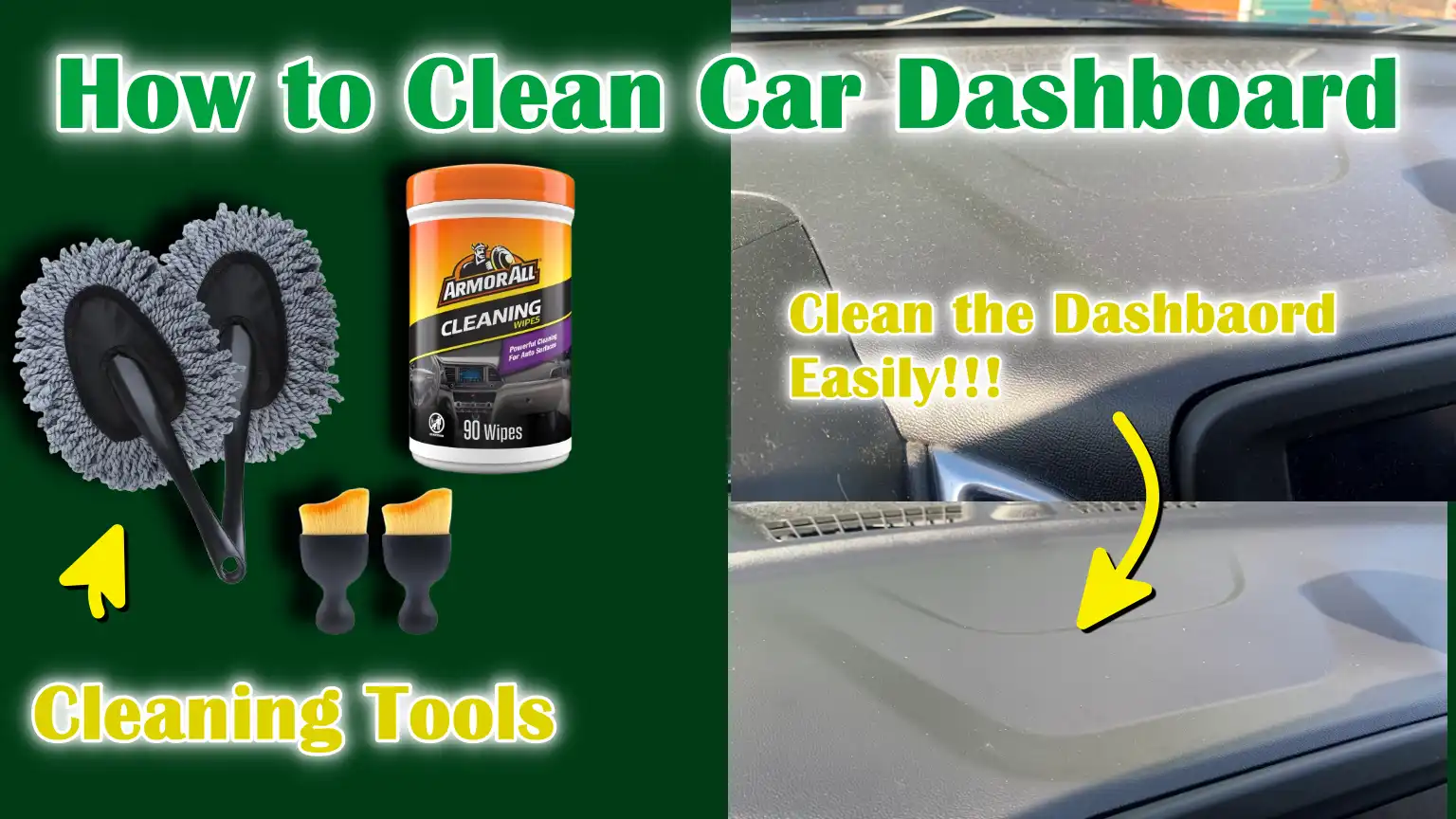
Written By: Don Dodi
Fact Checked By: Kristen Brown
Reviewed By: Diego Rosenberg
It is the fact that, car dashboard is one of the most used and most exposed part of your vehicle, even it comes into the contact with dust, food particles, skin oils, sweat and airborne pollutants as well that can enter the car through the open windows, shoes and air-vents as well.
Plus, there’s studies on the vehicle interiors that shows that dust inside the cars can contain particles, bacteria, pollen and other harmful chemical residues that may affect the air quality and even it could trigger allergies in the cabin type closed environment.
Not only this, dashboard constantly exposed to the sunlight through the windshield, that’s how it can cause gradual fading, drying, cracking and even it can weaken the surface materials due to the ultraviolet radiation and heat buildup.
Even, if you kept the dashboard dirty then it can literally reduce the driving safety, as dust and grime creates glare on the windshield during the sunny conditions, that’s why the visibility can be affected, so does the safety.
Now, you can learn How to Clean Car Dashboard, so that you can maintain the material strength, improve the interior air quality and preserve the appearance by using safe and easy methods.
Now, Let’s Understand About Dashboard Materials
The dashboard is one of the most crucial parts of a car’s interior.
It is constantly exposed to sunlight, dust, hand oils, spills and temperature fluctuations.
Understanding the materials dashboards are made of, how they react to cleaning and the risks of using the wrong products is essential for maintaining their appearance, function and longevity.
Different materials require different care methods and knowing these details helps prevent damage, cracking, discoloration and premature wear.
1. Common Dashboard Materials – Plastic, Vinyl, Leather, Soft-Touch Surfaces
Modern car dashboards are typically made of plastic, vinyl, leather, or soft-touch synthetic surfaces.
Plastic dashboards are lightweight, durable and water-resistant, making them common in most vehicles.
Vinyl dashboards are slightly softer than plastic and often have a textured surface, providing a premium look while remaining durable and easy to clean.
Leather dashboards, commonly found in luxury vehicles, offer a premium feel but are sensitive to moisture, heat and harsh cleaning agents.
Soft-touch surfaces are synthetic materials coated to provide a smooth, cushioned feel, offering a comfortable, luxurious touch and enhancing safety by reducing surface abrasiveness during collisions.
Each of these materials has different textures, flexibility and reactions to heat and cleaning solutions, which directly impacts how they should be cleaned and maintained.
2. Why Different Cleaning Methods are Necessary for Different Materials
Different dashboard materials react differently to cleaning methods due to their surface texture, porosity and flexibility.
Plastics and vinyl are generally resistant to mild cleaning solutions and can be wiped down with a microfiber cloth and a safe interior cleaner.
Leather surfaces require gentle cleaners or conditioners to maintain their suppleness and prevent drying, cracking, or discoloration.
Soft-touch surfaces can be damaged by abrasive tools or harsh chemicals, which can strip the protective coating or leave a sticky residue.
Using the wrong cleaning method on any dashboard material can lead to discoloration, scratches, or a degraded appearance.
Understanding the material ensures you choose the safest cleaning method, preserving both the look and function of your dashboard over time.
3. Risks of Using Harsh Chemicals on Modern Dashboards
Using harsh chemicals or household cleaners on your dashboard can cause significant damage.
Solvents, alcohol and ammonia-based cleaners can strip protective coatings, cause discoloration, or dry out materials like leather and soft-touch plastics.
On plastics and vinyl, harsh chemicals can warp, crack, or make the surface sticky.
Regular use of the wrong cleaner can also weaken the material over time, making it brittle, faded, or easily damaged.
Harsh chemicals can also leave behind residues that attract dust and make future cleaning more difficult.
To protect your modern dashboard, it’s crucial to use cleaners specifically designed for automotive interiors and follow the correct cleaning methods for your dashboard material.
Tools
| Tool / Supply | Purpose | Why It’s Important |
|---|---|---|
| Microfiber Cloths | It removes dust, dirt and cleaner. | Soft fibers clean the dashboard without scratching it. |
| Soft Brushes | This includes cleaning vents, joints and rough surfaces. | It reaches into the small cracks where dust accumulates. |
| Mild Interior Cleaner or Diluted Soap Solution | It is used to remove stains, grease and fingerprints. | Safe for most dashboard materials. |
| Vacuum Cleaner with Brush Attachment | It removes loose dust and debris from surfaces and crevices. | It helps you to prevent mess from spreading while cleaning. |
| Detailing Brush – Optional | It is used for deep cleaning of tight or complex areas. | It is perfect for buttons, knobs and textured dashboard areas. |
| Cotton Swabs – Optional | Cleaning small crevices, joints and around controls. | It reaches areas that microfiber cloths cannot. |
| Compressed Air – Optional | It is used to remove dust from vents and hard-to-reach areas. | It is good for quick and effective for tight spaces. |
How to Prepare the Dashboard for Cleaning
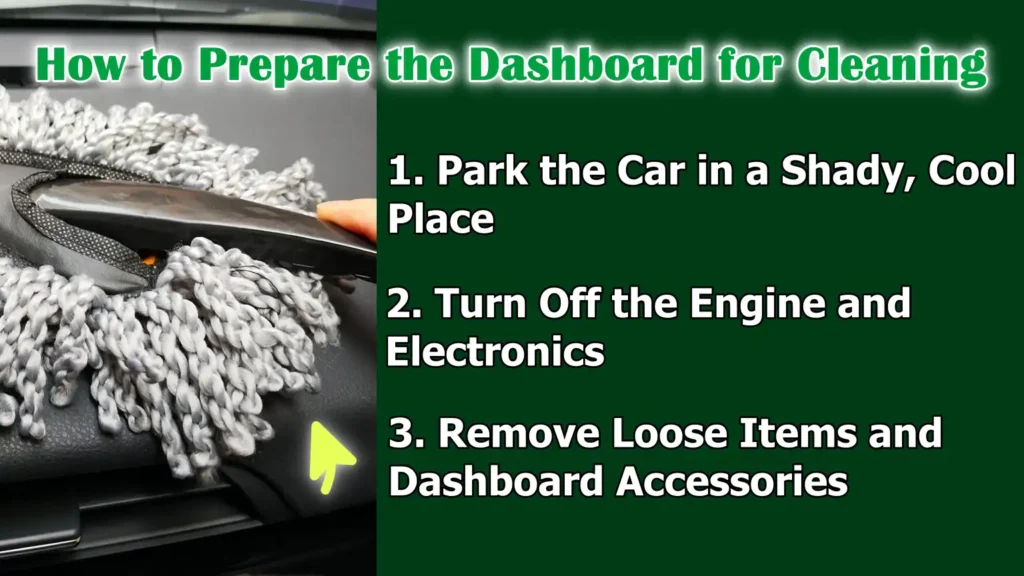
Before beginning any cleaning, it’s essential to properly prepare the dashboard for optimal results and to protect the car’s interior.
Preparation makes the cleaning process safer, faster and more effective, while also minimizing the risk of damage to materials or electronics.
1. Park the Car in a Shady, Cool Place
Cleaning a dashboard in direct sunlight or in a hot car can cause the surface to become excessively hot, reducing the effectiveness of the cleaner and potentially leading to streaks or stains.
Heat can also cause cleaning solutions to dry too quickly, leaving residue and potentially damaging delicate materials.
Parking the car in a shaded area or garage ensures a stable temperature, making it easier to clean thoroughly and safely.
A cooler surface also protects delicate dashboard materials like leather, soft-touch plastics and vinyl from drying out or becoming damaged during cleaning.
2. Turn Off the Engine and Electronics
It’s crucial to turn off the car’s engine and all electronics before cleaning.
Many dashboards contain sensitive components such as touchscreens, infotainment systems, climate controls and digital instrument panels, which can be damaged if exposed to moisture or cleaning solutions while powered on.
Turning off the electronics minimizes the risk of short circuits, accidental button presses, or any interference while wiping down surfaces.
Additionally, it allows you to safely access areas around buttons, vents and screens without worrying about triggering alarms or other systems.
3. Remove Loose Items and Dashboard Accessories
Before wiping and cleaning, all loose items, decorations and accessories should be removed from the dashboard.
Items such as phone holders, loose change, or papers can obstruct cleaning, accumulate dust underneath, or accidentally get wet.
Removing these items ensures that the entire surface is accessible, allowing for thorough cleaning without missing any spots.
It also prevents cleaner or water from accidentally spilling onto items that could be damaged, keeping both your dashboard and your belongings safe.
How to Remove Dust and Loose Debris – Dry Cleaning Method
Dry cleaning the dashboard is a crucial first step before applying any wet cleaning solutions.
This removes surface dust and loose debris that could combine with cleaning liquids and cause scratches or streaks on the dashboard.
This step ensures the dashboard is prepared for deeper cleaning while also protecting sensitive materials and electronic components.
1. Using a Microfiber Cloth for Surface Dust
Microfiber cloths are highly effective at removing dust from the flat and gently curved surfaces of the dashboard.
Their fine fibers trap and lift dust particles rather than simply pushing them around, preventing scratches on plastic, vinyl, leather, or soft-touch surfaces.
Dry wiping with a microfiber cloth is superior to using coarser towels or tissues, which can leave lint or cause minor scratches.
By gently wiping the surface with the cloth, you can remove most of the loose dust before proceeding to more detailed cleaning steps.
Regular use of a microfiber cloth also helps maintain a consistently clean and polished look.
2. Cleaning Air Vents and Crevices with a Soft Brush
Air vents, crevices and other textured or hard-to-reach areas accumulate a significant amount of dust and small debris.
Using a soft brush allows you to remove this dust without damaging delicate components.
Brushing helps prevent dirt buildup and its entry into the air conditioning system, improving the air quality inside the car.
Cleaning these areas also reduces the risk of small particles spreading across the dashboard during wet cleaning and ensures that all parts of the interior are hygienic.
Soft-bristled brushes are best because they are gentle on plastic, vinyl and painted surfaces, yet effective at dislodging trapped dust.
3. Vacuuming Crevices and Tight Spaces
Vacuuming is a crucial step for removing dust, food crumbs and other debris from tight spaces where cloths and brushes cannot reach.
Using a vacuum cleaner with a brush attachment, you can safely remove dirt from the seams, buttons and corners of the dashboard.
This prevents dirt from accumulating in small crevices, which can lead to stains or sticky residue over time.
Vacuuming also prepares the surface for wet cleaning, ensuring that loose particles are removed and do not scratch or stain the dashboard during further cleaning.
For delicate areas, lower suction settings are recommended to avoid accidentally lifting or damaging components.
How to Wet Clean of the Dashboard Surface
Wet cleaning is the step that removes stubborn dirt, fingerprints, grease and grime that cannot be removed with dry cleaning alone.
This process improves the dashboard’s appearance, maintains hygiene and prevents the buildup of dirt that can damage the material over time.
Using the correct technique and cleaning solution is crucial to prevent staining, discoloration, or damage to delicate electronic components on the dashboard.
1. Applying the Cleaner to the Cloth – Not Directly to the Dashboard
The most important aspect of wet cleaning is applying the cleaning solution to a cloth rather than spraying it directly onto the dashboard.
Direct spraying can lead to excess liquid seeping into seams, vents, or electronic controls, potentially causing short circuits or permanent damage.
Applying the cleaner to a microfiber cloth or soft towel ensures even distribution and controlled cleaning, minimizing the risk of wet spots or streaks.
This method allows for precise application of the correct amount of liquid, making the cleaning process safe and more effective for all dashboard materials, including plastic, vinyl, leather and soft-touch surfaces.
2. Gently Wiping to Remove Stains, Fingerprints and Grime
When cleaning the dashboard, gentle wiping is essential to remove visible stains, fingerprints and accumulated dirt without damaging the surface.
Applying too much pressure or scrubbing vigorously can scratch plastics and vinyl, degrade the texture of soft-touch materials, or damage delicate leather finishes.
Using a slightly damp cloth with circular or gentle back-and-forth motions effectively lifts dirt while keeping the dashboard surface smooth and intact.
Repeating this process gently on heavily soiled areas ensures thorough cleaning without oversaturating the material.
3. Avoid excessive moisture near buttons and screens
Modern dashboards often contain sensitive electronic components such as touchscreens, infotainment systems, climate controls and digital instrument panels.
Excessive moisture near these areas can seep in and cause malfunctions, short circuits, or permanent damage.
To avoid this, always use a slightly damp cloth instead of a soaking wet one and wipe carefully around buttons, vents and screens.
Minimizing moisture ensures the protection of both the electronics and the surrounding dashboard surfaces, while also keeping the interior looking clean and polished.
How to Clean Dashboard Vents, Buttons and Controls
Dashboard vents, buttons and control panels are areas where dust, grease and small particles accumulate more readily than on flat surfaces.
Properly cleaning these areas is crucial for both hygiene and functionality, as trapped dust can compromise air quality, hinder button operation, or create stickiness.
Particular care should be taken when cleaning around electronic components to prevent damage and maintain the dashboard’s appearance and operational reliability.
1. Using Detailing Brushes or Cotton Swabs
Detailing brushes and cotton swabs are highly effective tools for reaching tight spaces such as air vents, control buttons, crevices and textured surfaces.
The soft bristles of a detailing brush can gently remove dust and debris without scratching delicate components, while cotton swabs allow for precise cleaning of very small areas or corners.
These tools are specially useful for removing particles that accumulate in grooves, behind knobs, or around switches, which are often overlooked during regular wiping.
Regular use of brushes and swabs ensures that clean air flows from the vents and that buttons continue to function correctly.
2. Safely Cleaning Infotainment Screens and Instrument Clusters
Infotainment screens, digital displays and instrument clusters are essential components of modern vehicles, but they are highly sensitive to moisture, pressure and abrasive materials.
To safely clean these areas, use a slightly damp microfiber cloth, wiping gently in circular or straight motions to remove fingerprints and dust.
Avoid spraying any cleaning solution directly onto the screen, as it can seep into the edges and damage the internal electronics.
Keeping these areas clean not only improves visibility and ease of use, but also extends their lifespan and maintains the overall aesthetics of the dashboard.
3. Preventing Liquids from Seeping into Electronic Components
One of the biggest risks during dashboard cleaning is allowing liquids to seep into buttons, vents, or electronic controls.
Even a small amount of moisture can cause short circuits, corrosion, or permanent damage to sensitive components.
To avoid this, it’s crucial to use only a slightly damp cloth, avoid applying excessive pressure and clean carefully around edges and seams.
By controlling the amount of liquid and focusing on targeted cleaning with a light touch, you can effectively remove dirt while protecting the dashboard surfaces and internal electronics from costly damage.
Read More:
How to Deal with Stubborn Stains and Sticky Residues
Even with regular cleaning, stubborn stains and stickiness can accumulate on the dashboard over time.
These are commonly caused by spilled food or drinks, hand oils, or dust mixed with cleaning products.
Properly cleaning these stains is crucial not only for aesthetics but also to prevent long-term damage such as discoloration, material degradation, or sticky surfaces that attract more dirt.
Using the correct methods ensures the dashboard remains clean, hygienic and visually appealing without causing any damage.
1. Identifying Common Dashboard Stains
Dashboard stains vary depending on how the car is used and the surrounding environment.
Common stains include food particles, spilled drinks, hand grease, sunscreen or lotion residue and dust mixed with airborne contaminants.
Some stains are immediately visible, such as coffee or soda spills, while others, like skin oils, accumulate gradually and leave a subtle, sticky film.
Identifying the type of stain is important because different materials and residues react differently to cleaning solutions.
Cleaning a leather dashboard the same way as a plastic or vinyl surface can lead to discoloration, cracking, or other damage.
2. Safe Spot-Cleaning Techniques
Spot cleaning involves cleaning only the stained area without wetting the surrounding surface.
A microfiber cloth dampened with a mild interior cleaner or a gentle soap solution works best.
For sticky areas, gently rubbing in a circular motion helps remove residue without damaging the surface.
Cotton swabs or a soft brush can also be used for stubborn stains around corners, edges, or buttons.
Avoid harsh chemicals, vigorous scrubbing, or abrasive pads, as these can strip the protective layer, cause scratches, or worsen stains.
By using gentle, precise cleaning methods, you can effectively remove stubborn stains while maintaining the integrity of the dashboard material.
3. When to Repeat Cleaning and When to Stop
Stubborn residue may sometimes require repeated cleaning, but excessive cleaning can damage the dashboard material.
If a stain persists after a light cleaning, wait a few minutes and try again using the same gentle method.
Avoid over-scrubbing the surface or saturating it with liquids, as this can weaken the material and cause discoloration.
It’s important to recognize when further attempts might damage the dashboard; in such cases, professional detailing or specialized cleaners may be a safer option.
Patience and controlled cleaning techniques will ensure long-lasting cleanliness without compromising the dashboard’s durability or appearance.
How to Dry and Do Final Touch
After wet cleaning, properly drying the dashboard is a crucial step to ensure the surface remains clean, free of streaks and protected from long-term damage.
Proper drying not only enhances the dashboard’s appearance but also prevents moisture from seeping into electronic components, seams, or vents, which could lead to malfunctions or material degradation over time.
Paying attention to the finishing touches maintains the dashboard’s durability, cleanliness and aesthetic appeal.
1. Buffing with a Clean, Dry Microfiber Cloth
Buffing the dashboard with a clean, dry microfiber cloth removes any remaining moisture and enhances the surface’s shine.
Microfiber cloths are soft and effective, removing residual water and light dust without scratching or leaving lint.
Using circular or gentle back-and-forth motions helps ensure even drying across the dashboard surface.
Buffing also helps restore the natural texture of materials like leather, soft-touch plastics and vinyl, while minimizing light streaks or smudges.
Regular buffing after cleaning is a simple habit that can help keep the dashboard looking shiny and well-maintained over time.
2. Ensuring No Streaks or Residue Remain
Even a small amount of leftover cleaner, moisture, or dust can leave streaks or hazy spots on the dashboard.
Carefully inspecting the surface in natural light can help identify areas that require further attention.
Ensuring that no streaks, sticky residue, or dust remains after cleaning maintains the dashboard’s pristine appearance and prevents future dirt buildup.
This is specially important for glossy surfaces, screens and textured finishes where streaks or residue are more noticeable.
3. Inspecting missed areas and removing the last traces of dust
After the main drying and buffing, it’s crucial to inspect all areas that might have been missed, including vents, seams, corners and the areas around buttons or controls.
These small areas can accumulate dust or dirt, potentially affecting air quality, leaving streaks, or making the dashboard look unevenly clean.
Using a soft brush, cotton swabs, or a microfiber cloth to clean these areas ensures the dashboard is completely clean and uniform.
Taking the time for this final inspection and touch-up guarantees that the cleaning process is complete, leaving the interior spotless, aesthetically pleasing and ready for everyday use.
How to Protect the Dashboard After Cleaning
Cleaning the dashboard is just the first step in maintaining your car’s interior.
Protecting it after cleaning is equally important to ensure its longevity, maintain its appearance and protect it from environmental damage.
Proper protection keeps the dashboard looking new, prevents costly repairs and contributes to a healthier and more comfortable environment inside the cabin.
1. Benefits of UV Protection and Dashboard Conditioners
Applying a UV protectant or dashboard conditioner after cleaning protects the surface from the harmful effects of sunlight and heat.
The sun’s ultraviolet rays can gradually degrade the dashboard material, causing fading, discoloration and weakening of plastic, vinyl, leather and soft-touch surfaces.
UV protectants create a thin, protective layer that absorbs or deflects these rays, minimizing damage to the surface over time.
Conditioners, specially those designed for leather or soft-touch materials, help maintain flexibility, prevent drying and restore a natural sheen.
Using these products not only improves the appearance but also preserves the integrity and texture of the material.
2. Minimizing Fading, Cracking and Discoloration
Over time, dashboards exposed to sunlight and high temperatures can fade, crack, or discolor.
Dust, oils and cleaning residue can exacerbate this process if left unprotected.
Regular application of protectants mitigates the effects of heat and UV rays, keeping colors vibrant and surfaces intact.
Conditioners maintain moisture in leather or soft-touch surfaces, preventing dryness and cracking.
By consistently using protective products, car owners can significantly reduce the normal wear and tear caused by daily use and environmental exposure.
3. How Protection Extends the Life of Your Dashboard
Protecting your dashboard not only preserves its appearance but also extends its lifespan.
By preventing cracking, fading and hardening, the dashboard maintains its original texture, durability and functionality for longer.
Properly protected surfaces accumulate less dirt, grime, or sticky residue, making future cleaning easier and more effective.
Long-term maintenance using UV protectants and conditioners reduces the need for costly repairs or replacements and ensures that the interior continues to provide a comfortable, safe and attractive environment for years to come.
What are The Common Mistakes to Avoid When Cleaning Your Dashboard
Cleaning your dashboard might seem simple, but many car owners unknowingly damage their vehicle’s interior by using incorrect methods or products.
Avoiding common mistakes is crucial for maintaining the appearance, functionality and longevity of your dashboard.
Understanding these mistakes helps preserve the quality of the materials and prevents costly repairs or replacements.
1. Using Household Cleaners or Alcohol-Based Products
One of the most common mistakes is using household cleaning agents, such as window cleaner, kitchen sprays, or alcohol-based products, on the dashboard surface.
These cleaners often contain harsh chemicals or solvents that can strip protective coatings, cause discoloration, or make the material dry and cracked over time.
Alcohol and ammonia, in particular, can react with plastics, vinyl and leather, leading to brittle, discolored, or sticky surfaces.
Using cleaners specifically formulated for automotive interiors ensures that the dashboard is protected from chemical damage while effectively removing dirt and stains.
2. Spraying Liquid Directly onto the Dashboard
Spraying cleaning solutions directly onto the dashboard is another common mistake that can lead to serious problems.
Excess liquid can seep into seams, air vents, buttons and electronic controls, potentially causing short circuits, corrosion, or permanent damage to sensitive components.
Direct spraying also increases the risk of streaks and uneven cleaning, making it difficult to dry and maintain the surfaces.
A safer approach is to apply a small amount of cleaner to a microfiber cloth and then gently wipe the dashboard, allowing for controlled and precise cleaning while protecting the electronics and materials.
3. Rubbing too hard or using abrasive cloths
Many people believe that scrubbing vigorously will remove stains more effectively, but rubbing too hard or using abrasive cloths can significantly damage dashboard surfaces.
Excessive scrubbing can scratch plastic or vinyl, wear away the textured finish on soft-touch surfaces and even remove the protective coating on leather.
This can also create visible streaks or faded patches, making the dashboard look worn over time.
Using soft microfiber cloths, gentle wiping motions and the right tools such as brushes or cotton swabs ensures that dirt and grime are safely removed without damaging the material.
So, How Often Should You Clean Your Car’s Dashboard?
Keeping your dashboard clean isn’t just about aesthetics – it’s crucial for hygiene, material preservation and safety.
How often you clean your dashboard depends on daily use, environmental conditions and the materials it’s made from.
Establishing a regular cleaning routine prevents dust buildup, stains and long-term damage, while also keeping your car’s interior clean and well-maintained.
1. Weekly Light Cleaning vs Monthly Deep Cleaning
For most vehicles, a weekly light cleaning is recommended to remove surface dust, fingerprints and minor debris.
This involves using a dry microfiber cloth or soft brush to wipe down the dashboard, vents and buttons to prevent loose particles from accumulating.
A monthly deep cleaning includes wet cleaning, removing stubborn stains and applying a UV protectant or conditioner.
Deep cleaning ensures that ingrained dirt, grime and surface oils are removed, preventing long-term wear and tear.
Maintaining this combination of weekly and monthly cleaning creates a balanced routine that keeps the dashboard consistently clean and protected.
2. Factors Affecting Cleaning Frequency
Several factors can influence how often a dashboard needs cleaning.
Climate plays a significant role; vehicles in hot, sunny climates may require more frequent cleaning to protect against fading and heat damage, while cars in dusty environments need regular dusting to prevent scratches and dirt buildup.
Usage patterns also matter; A car that is used daily or carries passengers, food, or pets will accumulate more dirt than one that is used only occasionally.
Pets, in particular, can leave behind hair, oils and dirt on surfaces that require frequent attention.
Considering these factors helps in creating a practical cleaning schedule tailored to your vehicle’s needs.
3. Signs that indicate your dashboard needs immediate attention
Even with a regular cleaning schedule, certain signs indicate that the dashboard needs to be cleaned as soon as possible.
Visible dust, stickiness, fingerprints, spills, or a dull and uneven appearance are all indicators.
Additionally, reduced air quality inside the cabin due to dust in the vents, unusual shine from dirty surfaces, or debris accumulating around buttons and controls all signal the need for immediate cleaning.
Recognizing these signs ensures that the dashboard remains safe, functional and aesthetically pleasing, while also preventing long-term damage.
Even, there are multiple scientific examinations of vehicle cabin air quality that shows that there are elevated levels of volatile organic compounds such as: benzene and formaldehyde found inside the car cabins compared to the outside air, as these are the pollutants that can originate from the interior materials such as: plastics and dashboards, which is why cleaning literally contributes to the healthier air inside the car and improves the appearance as well.[¹]
Difference Between DIY vs Professional Dashboard Cleaning
There are several ways to clean your car’s dashboard, depending on the level of dirt, the type of material and the desired results.
Both DIY and professional cleaning methods have their advantages and understanding when each is appropriate helps maintain a dashboard that is not only aesthetically pleasing but also durable and hygienic.
Choosing the right method ensures effective cleaning while minimizing the risk of damage to delicate components.
1. When DIY Cleaning Suffices
DIY cleaning is suitable for routine maintenance, light dust accumulation, fingerprints, minor stains and regular hygiene.
Using basic tools such as microfiber cloths, soft brushes, mild interior cleaners and cotton swabs, car owners can safely remove surface dirt without professional assistance.
Regular DIY cleaning prevents dust buildup, protects material surfaces and maintains the overall appearance of the dashboard.
For most cars, a thorough DIY cleaning routine once a week or month is sufficient to keep the interior in good condition, specially when dealing with plastic, vinyl, or standard soft-touch materials.
2. Situations Requiring Professional Detailing
In some situations, professional dashboard cleaning becomes necessary, where DIY methods may not be sufficient.
Heavily soiled dashboards with stubborn stains, sticky residue, smoke damage, or chemical spills require specialized tools and cleaning solutions typically only available to professionals.
Cracked leather dashboards, worn finishes, or those with significant UV damage also benefit from professional treatment, which may include conditioning, repair, or restoration.
Professional services are best suited for vehicles that require deep cleaning of vents, buttons and electronic components, ensuring that delicate parts are thoroughly cleaned without the risk of damage.
3. Cost, Time and Results Comparison
DIY cleaning is cost-effective, requiring only basic cleaning supplies that can be used multiple times and typically takes less time depending on the size of the vehicle.
It allows car owners to maintain a regular cleaning routine at their convenience.
Professional cleaning, while more expensive, offers specialized equipment, professional-grade solutions and expert techniques that yield superior results for stubborn stains or delicate surfaces.
For high-end vehicles, leather dashboards, or situations where maximum cleanliness and protection are desired, investing in professional detailing is often worthwhile.
By balancing cost, time and desired results, car owners can determine the right cleaning approach for their dashboard needs.
Conclusion – How to Clean Car Dashboard
Now, it is clear that dusty dashboard seems totally harmless, but it degrades dashboard material and even affects the air-quality and electronics as well.
A car’s dashboard can accumulate a variety of substances, including dust, oil, food particles and airborne contaminants.
As well as, these build up daily and if left unchecked, can lead to discoloration, cracking, or a sticky surface.
The simple solution to this heavy buildup is: regular cleaning, along with proper protection using UV sprays or conditioners, ensures that the dashboard maintains its original look, texture and functionality for years to come.
Also, it is true that when you understand your dashboard’s material and use the right tools and cleaning methods then you can easily prevent damage and extend the lifespan of both flat surfaces and delicate electronic components.
At last, a well-maintained dashboard not only enhances the comfort and cleanliness of the car’s cabin but also preserves resale value, improves visibility by reducing glare and creates a sense of pride in your vehicle.
Now, if you still have questions or confusion about anything related to this guide, just let us know.
Frequently Asked Questions
Q1. How do I safely clean my car’s dashboard?
Answer: To safely clean your car’s dashboard, first remove loose dust and debris using a soft microfiber cloth or brush. Avoid using harsh chemicals and household cleaners, as they can damage the surface. For more stubborn stains, apply a mild interior cleaner or diluted soap solution to the cloth instead of spraying directly onto the dashboard. Wipe gently, specially around buttons, vents and screens, to prevent moisture from getting into the electronics. After cleaning, dry the surface with a clean, dry microfiber cloth and apply a UV protectants or conditioner to maintain its appearance and prevent fading or cracking.
Q2. How often should I clean my car’s dashboard?
Answer: A light cleaning should be done weekly to remove dust, fingerprints and minor dirt. A deeper cleaning should be performed at least once a month to remove stains, sticky residue and accumulated grime. If you live in a dusty environment, drive daily, have pets, or frequently spill food and drinks, you may need to increase the frequency of cleaning. If you notice dust buildup, sticky residue, fingerprints, a dull surface, or reduced air quality due to dirty vents on your dashboard, it means your dashboard needs cleaning immediately. Regular cleaning prevents long-term damage and keeps your dashboard looking fresh.
Q3. Can I use household cleaners on my dashboard?
Answer: No, household cleaners are generally not safe for dashboards. Products like window cleaners, kitchen sprays, or alcohol-based solutions contain harsh chemicals that can damage plastic, vinyl, leather, or soft-touch materials. They can cause discoloration, fading, drying, cracking, or leave behind sticky residue. Always use cleaners specifically designed for automotive interiors or a mild soap solution applied to a cloth. This ensures safe, effective cleaning without damaging the dashboard.
Q4. How do I remove stickiness or stubborn stains from my dashboard?
Answer: For stickiness or stubborn stains, lightly dampen a microfiber cloth with a mild interior cleaner or a mild soap solution. Gently rub the affected area in a circular motion to lift the stain without damaging the surface. For small crevices, use a cotton swab or a soft detailing brush. Avoid scrubbing vigorously, soaking the area, or using harsh chemicals. If the stain persists after a few gentle attempts, professional detailing may be the safest option to avoid damage.
Q5. Is professional dashboard cleaning necessary?
Answer: Professional cleaning isn’t always necessary, but it can be beneficial in certain situations. DIY cleaning works well for regular maintenance and light stains, but professional detailing is recommended for heavy stains, stickiness, damage from smoke or chemicals, or dashboards made of leather and soft-touch materials that have cracked or discolored. Professionals have specialized equipment, cleaning solutions and expertise to safely clean hard-to-reach areas and delicate electronics.
References:
[1] Indoor Air Pollution in Cars: An Update on Novel Insights
https://pmc.ncbi.nlm.nih.gov/articles/PMC6650813/

Guys, I’m a car audio enthusiast and customization expert and I love clear sound and clean installation. Plus, I have spent years helping people build their dream audio setups. And whenever I’m working on cars, I probably listen to music and thinks about the next big upgrade.