
Written By: Don Dodi
Fact Checked By: Kristen Brown
Reviewed By: Diego Rosenberg
The car door panels actually collect hell lot of dirt, oils from hands, dust from outside air and you can count daily spills as well that slowly builds-up to the massive hygiene disaster.
As well as, whenever driver or passenger opens a door, rests an arm, presses a window switch or just places items in the door pocket, then it becomes invisible layers that build up and slowly breaks down the material of the door panel, that leads to the dull surfaces, becomes sticky textures, lead to discoloration and there could be pleasant odors that comes inside the car.
Even, there’s studies on the vehicle interiors that shows that high-touch surfaces such as: door handles, armrests and switch panels can be the home of more germs than many household items, specially when you drive the vehicle regularly.
Not only this, dirt and grime starts to act like fine abrasives and then slowly wears down the plastic material, vinyl, fabric and leather finishes as well, if you don’t clean them in proper way.
Additionally, there is heat and sunlight also accelerate this damage as it bakes oils and residues into the surface, that’s why it becomes more and more harder to remove stains.
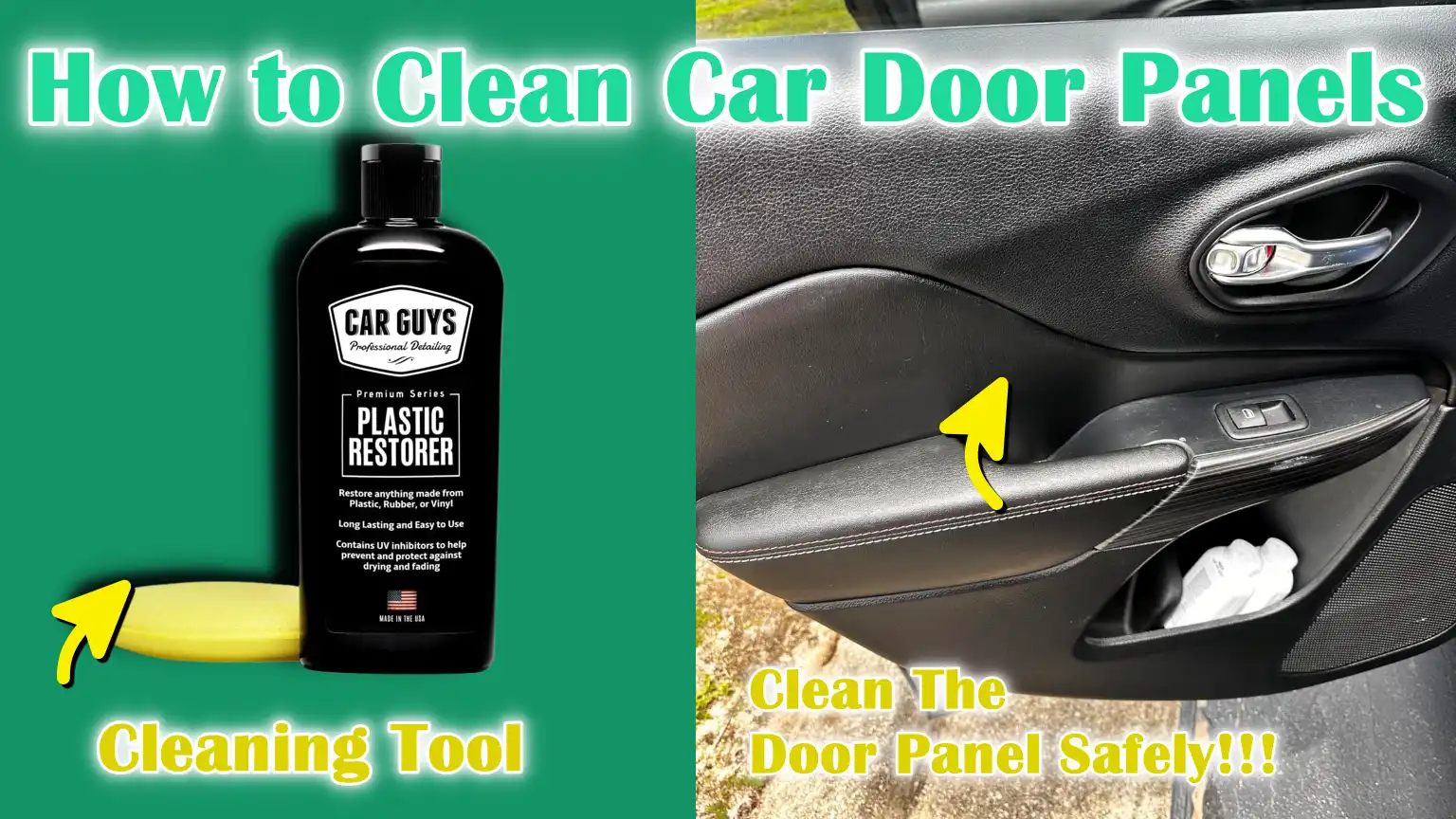
So, this guide is specifically talks about How to Clean Car Door Panels, so that you can get clean, fresh and quality air again.
Know, About the Types of Car Door Panel Materials and Their Cleaning Needs
1. Plastic and Hard Trim Door Panels
Plastic and hard trim door panels are the most common materials used in modern vehicles because they are lightweight, durable and cost-effective.
These surfaces constantly accumulate dust, skin oils and fine road grime that enters the cabin through open doors and windows.
Over time, this buildup can cause plastic panels to look dull and faded, specially around door handles and armrests.
Regularly cleaning plastic door panels helps prevent permanent stains and surface wear.
Using mild cleaners is essential, as harsh chemicals can dry out the plastic, leading to cracking or discoloration.
As, plastic does not absorb moisture, it is relatively easy to clean, but it still requires proper wiping and drying to avoid streaks and residue that can attract more dust later.
2. Vinyl-Covered Door Panels
Vinyl-covered door panels offer a stylish look while also providing more flexibility than hard plastic.
However, vinyl is sensitive to heat and sunlight, which can cause it to gradually harden, fade, or crack if not properly maintained.
Hand dirt, sweat and oils can accumulate in the fine texture of vinyl surfaces and become difficult to remove if left for extended periods.
Cleaning vinyl door panels helps keep the material supple and prevents cracking.
Gentle cleaning methods are crucial, as vigorous scrubbing can damage the protective layer and cause the vinyl to deteriorate more quickly.
Proper care also helps maintain the color and prevents sticky residue from forming in warm weather.
3. Fabric and Cloth Door Inserts
Fabric and cloth door inserts are often used to enhance comfort and give the interior a premium look, but they are also the most susceptible to dirt, odors and stains.
These materials quickly absorb moisture, dust and spilled liquids, which can lead to unpleasant odors and visible marks if not cleaned properly.
Fabric door panels require careful cleaning to avoid oversaturating the material, as excess water can weaken the adhesive behind the panel and promote mold growth.
Regular cleaning helps remove allergens, bacteria and accumulated grime, contributing to a healthier interior.
Gentle methods are essential to protect the fibers and maintain the original texture and appearance.
4. Leather and Leather-Wrapped Door Panels
Leather and leather-wrapped door panels are commonly found in luxury vehicles and require special attention to maintain their condition.
Leather is a natural material that reacts to temperature changes, sunlight and moisture.
Oils from the skin and dust particles gradually degrade the surface, causing it to dry out, harden, or crack over time.
Cleaning leather door panels removes these damaging contaminants and keeps the material soft and supple.
Proper care also prevents discoloration and maintains a smooth finish.
Because leather can easily dry out, it’s crucial to clean it gently and avoid products that strip away its natural moisture.
5. Wood, Brushed Metal and Decorative Trim Sections
Decorative trim sections such as wood, brushed metal, or glossy accent panels give car door interiors a premium look but are highly sensitive to improper cleaning.
These surfaces scratch easily and fingerprints, smudges and watermarks are more visible than on other materials.
Dust particles, when wiped incorrectly, can act like fine sandpaper, causing visible scratches or dull spots.
Cleaning these trims carefully preserves their shine and finish.
Gentle wiping and proper drying are essential to prevent streaks, corrosion, or discoloration from exposure to moisture and sunlight.
6. Mixed-Material Door Panels and Why the Cleaning Order Matters
Many modern car door panels are made from a combination of plastic, fabric, vinyl, leather and decorative trims in a single design.
Cleaning mixed-material panels requires extra care because each surface reacts differently to moisture and cleaning solutions.
Cleaning in the wrong order can spread dirt from one material to another or damage more moisture-sensitive areas.
Starting with dry cleaning and working from less absorbent materials to more absorbent ones helps prevent staining and dirt buildup.
Understanding the composition of mixed-material door panels ensures safe cleaning, better results and a longer lifespan for the interior surfaces.
Understand, About Common Dirt, Stains and Contaminants Found on Door Panels
1. Dust Accumulation and Airborne Particles
Dust is one of the most common contaminants found on car door panels, entering the vehicle every time the doors or windows are opened.
These tiny particles come from road dust, pollution, pollen and clothing fibers.
Dust settles deep into textured surfaces, speaker grilles and crevices, making the door panels look dull and aged over time.
If left uncleaned, dust acts like fine sandpaper, gradually scratching the surface during regular use.
It can also exacerbate allergies and reduce interior air quality.
Regularly removing dust helps prevent long-term damage to the surface and keeps the door panels looking clean and smooth.
2. Skin Oils, Sweat and Fingerprints
Every time someone touches the door handle, armrest, or window switches, natural skin oils and sweat are transferred to the door panel.
These oils are initially invisible, but they gradually accumulate and attract more dirt.
Over time, this creates dark, shiny patches that feel sticky and are difficult to clean.
Sweat contains salt, which can dry out materials and weaken protective coatings, specially in warm weather.
Frequent cleaning of these areas helps prevent discoloration, unpleasant odors and premature deterioration of the door panel surface.
3. Food Crumbs and Beverage Spills
Food crumbs, sticky residue and beverage spills frequently end up on door panels, specially in vehicles used for long drives or family trips.
Sugary drinks and food particles leave a sticky residue that traps dust and bacteria.
If not cleaned promptly, this residue can also cause stains and produce unpleasant odors.
Liquids can seep into the edges and fabric inserts, making stains difficult to remove later.
Proper cleaning helps prevent bacterial growth, stops odors from accumulating and keeps the door panels clean and fresh.
4. Mud, Dirt and Water Stains from Shoes
Mud and dirt are frequently transferred from shoes to the door panels, specially during rainy or dusty weather.
As people enter and exit the vehicle, dirt and moisture can drip onto the lower sections of the door panels.
As this dirt dries, it leaves behind hard water stains and crusty residue that can damage the surface.
Mud also contains minerals and road chemicals that can cause discoloration over time.
Cleaning these stains promptly prevents permanent marks and keeps the lower sections of the doors from looking neglected and worn.
5. Grease Marks Near Handles and Armrests
Door handles and armrests often accumulate grease marks due to constant use.
Skin oils, lotion residue and dirt build up in these areas, creating dark stains that feel sticky to the touch.
Over time, this grease buildup can degrade the surface finish and increase the likelihood of material deterioration or discoloration.
These marks also spread easily upon contact, making the door panels look dirty even after basic cleaning.
Regular attention to these high-traffic areas maintains cleanliness and prevents long-term damage.
6. Sun-Baked Stains and Discoloration
Sunlight plays a significant role in how stains develop on car door panels.
Heat and ultraviolet rays bake oils, spilled liquids and dirt onto the surface, making the stains deeper and more difficult to remove.
Sunlight can cause fading and uneven discoloration, specially on panels that are directly exposed to sunlight through windows.
This fading often begins gradually, but it becomes permanent if not addressed promptly.
Regularly cleaning the door panels and removing dirt before it becomes embedded in the material helps preserve the original color, texture and overall condition of the interior.
Tools
| Tool or Supply | Purpose | Why It Is Necessary |
|---|---|---|
| Microfiber cloth | It safely removes dirt and disinfects. | It offers protection against scratches and blocks dust well. |
| Soft brush or toothbrush | It helps you to cleans joints and tight spaces. | It penetrates cracks without causing any damage. |
| Vacuum with soft nozzle | It removes loose dust and debris. | It prevents dust from accumulating on surfaces. |
| Mild interior cleaner | It is used to clean plastic and vinyl panels. | It is safe for most door panel materials. |
| Fabric-safe cleaner | It cleans the inside of clothes. | It is to remove stains without soaking clothes. |
| Spray bottle | It is to control cleaner app. | It prevents excess fluid and damage. |
How to Prepare Before Cleaning the Door Panels
1. Choosing the Right Location and Temperature
Cleaning your car’s door panels in the right location and at the right temperature makes a huge difference in both safety and results.
A shaded or covered area is best, as direct sunlight can cause cleaners to dry too quickly, leaving streaks, residue, or uneven marks on the surface.
Excessive heat can also soften plastic and vinyl, increasing the risk of damage during cleaning.
Conversely, cold temperatures can reduce the effectiveness of cleaning agents and make the material stiff and difficult to clean.
A normal, comfortable temperature allows the cleaner to work properly and helps keep the door panel material stable and secure throughout the process.
2. Opening the Doors Properly to Access Edges and Cracks
Fully opening the car doors before cleaning provides better access to areas that are typically hidden, such as the panel edges, joints and the lower areas near the door frame.
These areas accumulate dirt, moisture and grime from vehicle traffic.
Cleaning with the doors only slightly open often leaves some areas untouched and results in uneven results.
Proper access ensures that dirt is removed from tight spaces without having to position tools at awkward angles, reducing the risk of scratching or damaging delicate trim and seals.
3. Removing Loose Dirt and Surface Dust
Removing loose dirt and dust is one of the most important preparatory steps before applying any cleaning solution.
Dust particles may seem harmless, but when rubbed against the door panel with a cloth, they can cause fine scratches that gradually discolor the surface.
Vacuuming or gently wiping away dirt can prevent this damage and allow the cleaning solution to work directly on the embedded dirt and stains.
This step also improves cleaning efficiency, reduces the amount of cleaner needed and helps achieve a smooth, clean finish without spreading dirt across the panel.
4. Protect Electronic Controls and Speakers
Car door panels often contain electronic controls, such as window switches, lock buttons and speaker covers.
These components are sensitive to moisture and can be damaged if exposed to liquid.
Before cleaning, it’s crucial to protect these components and protect them from moisture.
Spraying cleaner directly onto the panel can cause liquid to seep into crevices around buttons and speaker grilles.
Applying the cleaner to a cloth instead protects the electronics while still providing effective cleaning.
This precaution prevents electrical problems and costly repairs.
5. Spot-test the cleaner to prevent damage
Spot-testing the cleaner before applying it to the entire panel is a simple but important step that helps prevent permanent damage.
Different door panel materials react differently to cleaning solutions, even if they appear similar.
Testing the cleaner on a small, inconspicuous area allows you to check for discoloration, fading, or changes in texture.
If there’s no negative reaction after waiting a while, the cleaner is safe to use on the remaining panels.
This step preserves the original finish and ensures that the cleaning process is safe and effective.
How to Clean Car Door Panels – Easy & Effective Process
1. Dry Cleaning to Remove Loose Dust
Dry cleaning is the first and most crucial step because it removes loose dust, sand and small particles that could scratch the door panel during wet cleaning.
Fine airborne dust particles, fabric fibers and road grime accumulate on the door panels, specially in textured areas and lower sections.
Removing this debris first ensures safe and even cleaning of the surface.
Dry cleaning also helps identify areas with heavier dirt buildup that require more attention later.
Skipping this step often leads to swirl marks and a dull finish from rubbing.
2. Applying the Cleaner Correctly, Avoiding Over-Wetting
Applying the cleaner correctly protects the door panel material and yields better cleaning results.
Door panels are made of materials that can be weakened or discolored by excessive liquid.
A light application helps break down oils and grime without oversaturating the surface.
Over-wetting can lead to stains, trapped moisture, or damage to the panel’s backing, specially on fabric and near edges.
Using the right amount allows the cleaner to lift dirt while keeping the panel’s structure dry and stable.
3. Safely Removing Dirt Using the Correct Techniques
Removing dirt involves gently loosening the grime so it can be wiped away without damaging the surface.
Dirt often clings to textured plastics, vinyl grains and fabric fibers, making simple wiping ineffective.
Gentle agitation dislodges trapped dirt while preserving the finish.
Using the correct pressure is crucial because scrubbing too hard can damage the protective coating, flatten the texture, or leave permanent marks.
Gentle cleaning effectively removes dirt while preserving the door panel’s original look and feel.
4. Cleaning Handles, Switches, Armrests and Pockets
High-traffic areas like handles, window switches, armrests and door pockets require special attention as they accumulate the most oil, sweat and bacteria.
These areas are frequently touched during daily driving, causing them to become dirty and sticky over time.
Dirt can also hide around buttons and edges, making the surface appear uneven if not properly cleaned.
Careful cleaning restores a fresh feel, improves hygiene and prevents dirt buildup that can hinder switch functionality or leave unpleasant odors.
5. Wiping and Rinsing Without Leaving Residue
Wiping and rinsing remove loose dirt and cleaner residue from the door panels.
Leftover residue can attract more dust, create streaks and leave surfaces feeling sticky.
Proper wiping restores the natural finish without shine or haziness.
If needed, a light rinse removes any remaining cleaner without introducing excessive moisture.
This step ensures the door panels stay clean longer and feel comfortable to the touch.
6. Drying Techniques to Prevent Stains and Water Marks
Drying is essential to prevent water spots, streaks and trapped moisture.
Residual water on the door panels can leave marks, specially on dark materials and glossy trim.
Moisture can also accumulate in crevices and edges, potentially leading to odors or material degradation over time.
Proper drying ensures a consistent appearance and preserves the texture of the panel’s surface.
Thorough drying completes the cleaning process, leaving the door panel looking clean, fresh and well-maintained.
How to Clean Cracks and Hard-to-Reach Areas of the Door Panel
1. Cleaning Around Window Switches and Lock Buttons
Window switches and lock buttons are among the dirtiest parts of a car’s door panel because they are constantly touched and located in small, recessed areas.
Dust, skin oils and spilled drinks gradually accumulate around the edges of these controls, forming dark lines and sticky grime.
If left uncleaned, this buildup can hinder the smooth operation of the buttons and make the area look unsightly.
Carefully cleaning these areas maintains proper function and cleanliness.
Gentle cleaning is crucial, as moisture or aggressive scrubbing can allow liquids to seep into electronic components, potentially causing malfunctions or long-term damage.
2. Door Pockets and Storage Compartments
Door pockets and storage compartments accumulate a variety of debris, including food crumbs, wrappers, sand and moisture from bottles or umbrellas.
These areas are often overlooked during regular cleaning, allowing bacteria to thrive and create unpleasant odors over time.
Dirt can also harden in the corners, making it difficult to remove later.
Cleaning door pockets improves the overall cleanliness of the interior and prevents unpleasant odors from spreading throughout the cabin.
Proper cleaning also prevents scratches on the plastic from sharp or abrasive objects.
3. Speaker Grilles and Trim Edges
Speaker grilles and trim edges have small holes and narrow gaps where dust and airborne particles easily get trapped.
Over time, this buildup can obstruct airflow and dampen or distort the speaker’s sound.
Dust trapped in the trim edges can also create unsightly lines, making the door panel look dirty.
Carefully cleaning these areas helps restore a clean look without damaging delicate surfaces.
Gentle cleaning techniques are essential because speaker components are located directly behind the grille and are sensitive to moisture and pressure.
4. Rubber Seals and Weather Stripping
The rubber seals and weather stripping around the door panel play a crucial role in keeping water, dust and noise out of the vehicle.
Dirt, grime and moisture accumulate in these areas every time the door is opened or closed.
When dirt builds up, it can cause the rubber to dry out, lose its elasticity, or stick to the door frame.
Cleaning these areas maintains a proper seal, prevents water leaks and reduces wind noise.
Regular maintenance also extends the life of the rubber and improves overall door performance.
How to Remove Stubborn Stains from Door Panels
1. Removing Grease and Oil Stains
Grease and oil stains are common on car door panels, specially near the handles and armrests where hands frequently touch throughout the day.
These stains form when natural skin oils combine with dirt and gradually seep into the surface.
Over time, the grease creates dark spots that feel sticky and attract even more dirt.
Removing grease stains requires patience, as aggressive scrubbing can spread the oil further into textured surfaces.
Gentle cleaning lifts the oil layer without damaging the panel.
Regularly removing grease prevents surface degradation and keeps the door panel looking clean and uniform in color.
2. Removing Ink, Dye Transfer and Scuff Marks
Ink marks, dye transfer from clothing and scuff marks from shoes are some of the most difficult stains to remove from door panels.
These stains often adhere tightly to plastic, vinyl and leather surfaces and are exacerbated by exposure to heat and sunlight.
Dye transfer typically appears as blue or dark marks from jeans, while scuff marks result from rubbing against rubber soles or bags.
Carefully cleaning these stains prevents discoloration or fading of the surface.
Gentle and controlled cleaning is essential, as harsh methods can remove protective layers and cause permanent damage to the color.
3. Dealing with Food Spills and Sticky Residues
Food and drink spills leave behind sugars and acids that make the surface sticky and create unpleasant odors.
These residues attract dust and bacteria, making the door panel feel dirty even after general cleaning.
The stickiness can also harden over time, making the stains even more difficult to remove.
Proper cleaning breaks down the residues without spreading them further across the panel.
Prompt removal prevents odors and reduces the risk of permanent stains, specially on fabrics and textured materials.
4. Removing Water Stains and Salt Deposits
Water stains and salt deposits are commonly found on lower door panels after driving in rain or winter conditions.
As the water dries, it leaves behind minerals and road salt, creating white or chalky marks.
If left untreated, these deposits can gradually damage the surface finish.
Removing water stains restores a clean look and prevents long-term discoloration.
Careful cleaning is essential, as excessive scrubbing can push mineral residue further into the surface or cause streaking.
5. Knowing When to Re-Clean and When to Stop
To prevent damage to the door panel, it’s crucial to know when to re-clean and when to stop.
Some stains require multiple gentle cleanings rather than one aggressive scrubbing.
Repeated light cleaning allows the stain to be gradually removed without damaging the material.
However, if the stain persists after several careful attempts, continued scrubbing may do more harm than good.
In such cases, stopping and considering professional cleaning will protect the door panel and prevent permanent damage to the surface.
How to Do Special Care for Sensitive and Premium Materials
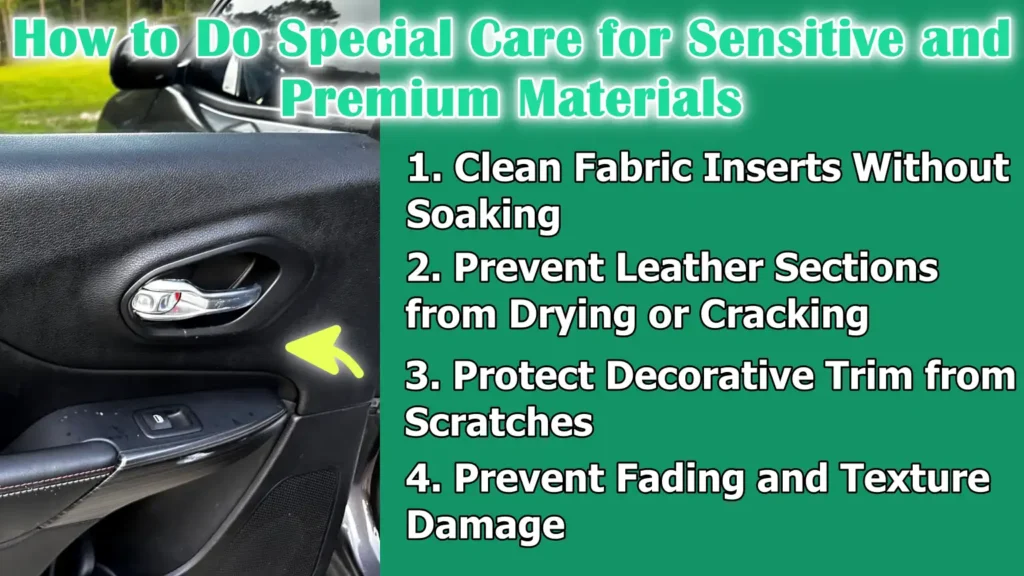
1. Clean Fabric Inserts Without Soaking
The fabric inserts on car door panels are designed for comfort and aesthetics, but they easily absorb moisture, dirt and odors.
When the fabric becomes excessively wet during cleaning, water can penetrate deep into the fibers and reach the backing material behind the panel.
This trapped moisture can cause odors, weaken the adhesive and create an environment where mold can grow.
Carefully cleaning the fabric inserts removes dirt and stains while keeping the material dry and intact.
Gentle cleaning also prevents damage or tearing of the fabric fibers, allowing the inserts to retain their original texture and color for longer.
2. Prevent Leather Sections from Drying or Cracking
Leather door panel sections require special attention because leather is a natural material that reacts quickly to heat, sunlight and changes in humidity.
Over time, dust and skin oils accumulate on the leather surface, gradually degrading its protective finish.
If the leather is cleaned improperly or too frequently with harsh products, it can lose its natural moisture and become stiff or cracked.
Proper care removes dirt and keeps the leather soft and supple.
The right leather care helps prevent fading, cracking and premature wear, allowing the material to age gracefully and remain comfortable to the touch.
3. Protect Decorative Trim from Scratches
Decorative trim elements such as wood panels, brushed metal, or glossy accents give the car door interior a premium look, but these are among the surfaces most susceptible to damage.
This trim shows scratches, swirl marks and fingerprints more easily than other materials.
Even small dust particles can leave marks if wiped with the wrong cloth or with too much pressure.
Protecting the decorative trim during cleaning preserves its shine and smooth finish.
Careful handling also prevents dull spots and uneven textures that can make the interior look old and neglected.
4. Prevent Fading and Texture Damage
Fading and texture damage often occur when door panels are exposed to harsh sunlight, heat and abrasive cleaning products.
Ultraviolet rays gradually degrade the surface coating, causing the color to fade and the material to feel rough or sticky.
Aggressive cleaning can further exacerbate this damage by removing protective layers and flattening textured surfaces.
Gentle cleaning and proper care help maintain the true color, grain and feel of the premium materials.
Preventing fading and texture damage not only improves the appearance but also extends the overall lifespan of the door panels.
Read More:
How to Safely Disinfect the Car Door Panels
1. Why Door Panels Are High-Touch Surfaces
Car door panels are touched multiple times during every drive, making them one of the most frequently touched surfaces inside a vehicle.
Drivers and passengers regularly grab door handles, rest their arms on armrests, press window switches and use door pockets.
Each touch transfers skin oils, sweat and germs to the surface.
Studies on vehicle interiors show that bacteria and viruses can survive on high-touch surfaces for hours or days, specially in warm, enclosed environments.
Because door panels are rarely disinfected compared to the steering wheel or dashboard, germs can accumulate over time.
Regular disinfection helps reduce the spread of germs and keeps the interior healthier for all occupants.
2. Safe Disinfection Methods for Interior Materials
Safely disinfecting car door panels requires using methods that kill germs without damaging the surface.
Interior materials such as plastic, vinyl, fabric and leather are not designed to withstand harsh chemicals.
Using mild disinfecting products eliminates harmful germs while preserving the finish.
Applying the disinfectant to a cloth rather than directly to the panel reduces the risk of moisture seeping into seams, switches, or speaker areas.
The correct technique ensures effective disinfection without causing discoloration, drying, or weakening of the surface.
3. Balancing Cleanliness and Material Protection
While disinfection is essential, using overly strong or frequent disinfecting methods can damage the door panel materials.
Harsh chemicals can strip protective coatings, discolor materials and dry out surfaces, specially leather and vinyl.
Excessive sanitizing can also leave behind residues that attract dirt and make panels feel sticky.
Balancing cleaning and material preservation means choosing mild products and using them only when necessary.
This approach keeps door panels clean and hygienic while preserving their original appearance, feel and durability.
4. Disinfection Frequency for Daily Drivers
The frequency of disinfecting door panels depends on how often and by whom the vehicle is used.
For cars driven daily, specially those used by multiple passengers, regular but moderate disinfection is beneficial.
High-touch areas like handles and switches may require more attention than other parts of the panel.
Disinfecting too frequently can cause unnecessary wear and tear, while disinfecting too infrequently can allow germs to accumulate.
A balanced routine keeps the interior safe, comfortable and well-maintained without damaging the materials.
How to Dry and Give Nice Door Panels Finish
1. The Importance of Thorough Drying
Thoroughly drying the car’s door panels after cleaning is a crucial step because residual moisture can cause long-term damage that isn’t always immediately visible.
Door panels are made of layered materials and moisture trapped on the surface or in the seams can gradually weaken adhesives and surface coatings.
Even a small amount of moisture, if it dries unevenly, can leave streaks, water spots, or cloudy patches.
Proper drying ensures that the cleaning results last and that the door panels remain clean, smooth and protected.
Well-dried surfaces also attract less dust, keeping the panels cleaner for longer.
2. Preventing Moisture Trapping and Odors
Moisture trapped in the edges, pockets and seams of the door panels can lead to unpleasant odors over time.
The warm environment inside a car, combined with moisture, creates ideal conditions for bacteria and mold growth.
These odors can spread throughout the cabin and can be difficult to remove.
It’s essential to pay attention to corners, lower panel sections and rubber seals where water tends to accumulate to prevent moisture trapping.
Proper drying maintains a fresh smell in the interior and protects both the surface and the underlying structure of the door panels.
3. Buffing for a Clean, Even Finish
Buffing after drying helps remove any light streaks, water spots and residual cleaner residue.
This step smooths the surface and provides a uniform look across the entire door panel.
Without proper buffing, the panels may appear streaky, with some areas looking dull and others shiny.
Light buffing also improves the surface feel, making it pleasant to the touch and visually appealing.
This finishing step ensures that the cleaning job looks professional and well-executed.
4. Restoring a Natural Look Without Greasiness
A clean door panel should look fresh and natural, not overly shiny or greasy.
A slick finish quickly attracts dust and can make the surface slippery and unpleasant to the touch.
Restoring a natural look means leaving the material in its original texture and color while maintaining a clean finish.
Proper drying and careful finishing help achieve this balance by removing excess product and moisture.
This approach keeps the door panels well-maintained, comfortable and true to their original design.
Know, What are the Common Mistakes to Avoid When You Clean Door Panel
1. Using Too Much Water or Cleaner
The most common mistake people make when cleaning car door panels is using too much water or cleaning solution.
Door panels are not waterproof and excess liquid can seep into seams, edges and behind the panel.
This trapped moisture can weaken adhesives, damage internal components and create unpleasant odors over time.
Too much cleaner also leaves residue on the surface, attracting dust and making the panel sticky.
Using a small, controlled amount ensures the door panel’s structure remains safe and dry while still achieving a thorough clean.
2. Scrubbing Too Hard
Scrubbing vigorously might seem like a quick way to remove dirt, but it often does more harm than good.
Door panel materials like plastic, vinyl, fabric and leather have protective surface layers that can be damaged by excessive scrubbing.
Scrubbing can flatten textures, create shiny worn spots and leave irreversible marks.
Gentle cleaning allows dirt to be lifted gradually without damaging the surface.
Patience is key to maintaining the original look and feel of the door panels.
3. Mixing the Wrong Cleaning Products
Mixing different cleaning products is dangerous for both the door panels and personal safety.
Some chemicals react with each other to produce harmful fumes, while others neutralize each other, reducing cleaning effectiveness.
On door panels, mixed products can cause discoloration, soften the surface, or create a sticky residue that is difficult to remove.
Using only one appropriate cleaner at a time ensures safe results and protects the material from chemical damage.
Keeping it simple and using the right products makes cleaning more predictable and controlled.
4. Ignoring Care Instructions Based on Material
Not all door panels are made of the same material and ignoring care instructions based on the material can lead to permanent damage.
Plastic, vinyl, fabric, leather and decorative trims each react differently to moisture, cleaners and abrasion.
Using the wrong method on a sensitive surface can cause discoloration, cracking, or damage to the texture.
Understanding the material before cleaning helps in choosing the right method and prevents costly mistakes.
Proper care based on the type of material ensures long-lasting cleanliness and preserves the quality of the interior.
Common Signs That Shows Your Door Panels Need Immediate Attention
Even, there’s research in the Journal of Pure and Applied Microbiology that examined the contamination of the bacteria on car door handles, as they collected and culturing the 100 samples from the vehicles, so the study found out that 40% of the samples showed bacterial growth and 52% yeast growth as well, also that 70% of the isolates were Gram-positive bacteria while 30% were Gram-negative. As well as, the Staphylococcus aureus, Klebsiella, E. coli, Proteus, Salmonella and Streptococcus species found in the samples, that shows that frequently touched surfaces such as: door handles can have lots of mixed potentially harmful microbes that we are totally unaware of.[¹]
1. Persistent Odor
A persistent or unusual odor emanating from your car’s door panels is a clear indication that cleaning and maintenance are overdue.
Moisture, sweat, food particles and bacteria can accumulate in the door panels, leading to a gradual buildup of unpleasant smells.
Even if the surface appears clean, these odors suggest that germs or mold are growing in hidden areas such as seams, pockets, or behind the trim.
Addressing the odor promptly with proper cleaning and disinfection prevents further buildup, preserves the interior and maintains a healthy environment inside the vehicle.
2. Visible Discoloration or Fading
Visible discoloration or fading is a sure sign that your door panels are deteriorating due to sun exposure, heat, or accumulated grime.
UV rays from sunlight can degrade the coatings on plastic, vinyl, fabric and leather surfaces over time, resulting in uneven color or patches.
Dirt, grease and skin oils also react chemically with the panel surface, accelerating the discoloration process.
If discoloration is visible, it means that immediate cleaning and conditioning are necessary to prevent permanent damage to the material and maintain the panel’s original appearance.
3. Sticky or Greasy Surfaces
Sticky or greasy door panel surfaces indicate a buildup of oils, lotions, or food particles over time.
These high-traffic areas, specially near handles and armrests, attract more dust and grime, making the panels feel dirty even after light cleaning.
Sticky surfaces are not only unpleasant to the touch but also accelerate wear and tear and provide a breeding ground for bacteria.
Prompt cleaning is essential to remove the buildup, restore a comfortable texture and prevent further deterioration of the surface.
4. Cracks, Peeling, or Changes in Texture
Cracks, peeling, or changes in texture are serious indicators that the door panels are aging or deteriorating due to improper cleaning, neglect, or environmental factors.
Leather can dry out and crack, vinyl can peel and plastic surfaces can lose their flexibility.
Texture changes often occur in areas subjected to frequent friction or sun exposure.
Identifying these problems early allows for appropriate care, such as conditioning the leather or applying a protectant to the vinyl, which can prevent irreversible damage and extend the lifespan of the door panels.
Conclusion – How to Clean Car Door Panels
Yes, it is true that well-maintained door panel is actually makes big difference in the lifespan and appearance , as they prevent damage, stop bad odors and keep your interior feeling like new for years.
Basically, door panels are surfaces that people touch frequently and over time, they accumulate dust, oil, grease, food particles and moisture.
So, if left uncleaned, this buildup can lead to discoloration, stickiness, unpleasant odors and even damage to the material, such as cracking or fading.
And, regular maintenance, along with attention to detail in hard-to-reach areas, prevents the spread of germs, preserves the material’s natural texture and color and protects your investment in your vehicle.
Now, it is time to ask related questions that till bothers you.
Frequently Asked Questions
Q1. What are car door panels and why do they need cleaning?
Answer: Car door panels are the interior surfaces of your car doors. They include components such as armrests, handles, pockets, switches and decorative trim. These panels are touched every time you open or close the door, rest your hand on them, or press a button. Due to this constant contact, dirt, dust, skin oils, food particles and even germs accumulate on them over time. Cleaning them is essential not only for aesthetics but also for hygiene, maintaining material durability, preventing unpleasant odors and keeping your car’s interior fresh and clean.
Q2. How do I clean fabric or cloth inserts?
Answer: Fabric and cloth inserts absorb dirt, spills and moisture, so they require gentle care. First, vacuum to remove loose dirt and dust. Apply a fabric cleaner or mild soapy water to a soft cloth and gently blot the surface instead of rubbing vigorously. Avoid oversaturating the material, as excessive moisture can cause odors or damage the adhesive behind the panel. Allow the fabric to dry completely after cleaning and for stubborn stains, gently repeat the process until the area is clean.
Q3. How can I safely clean leather door panels?
Answer: Leather door panels require special attention to prevent drying, cracking, or discoloration. First, remove loose particles with a brush, then apply a leather cleaner designed for automotive use to a soft cloth. Gently wipe the surface to remove dirt and oils. Avoid soaking the leather or using harsh chemicals. After cleaning, applying a leather conditioner will keep the material soft, supple and protected from future damage.
Q4. What should I do for hard-to-reach areas like switches, pockets and speaker grilles?
Answer: Door panels have small crevices where dirt and dust often accumulate. For cleaning around window switches, lock buttons, speaker covers and door pockets, use a soft detailing brush or a slightly damp microfiber cloth. Be careful to avoid getting moisture into the electronics. Cleaning these areas prevents dirt buildup, ensures proper switch function and keeps the car’s interior clean and hygienic.
Q5. How often should I clean my car’s door panels?
Answer: The frequency of cleaning depends on usage and conditions. For daily drivers, a quick wipe-down of high-touch areas like handles and armrests once a week can prevent dirt buildup. A more thorough cleaning, including crevices and fabric inserts, can be done monthly. In harsh weather conditions such as extreme heat, sun, rain, or snow, cleaning may need to be more frequent to remove dust, moisture, or salt. Regular maintenance helps prevent stubborn stains, discoloration and material damage.
Q6. Can I safely disinfect my car’s door panels?
Answer: Yes, but it should be done carefully. Door panels are high-touch surfaces, so germs can accumulate there. Use a mild disinfectant suitable for car interiors and apply it to a cloth rather than spraying it directly onto the panel. Avoid harsh chemicals that can damage plastic, vinyl, or leather. Focus on handles, switches and armrests and strike a balance between effective disinfection and material protection to prevent discoloration, drying, or stickiness.
References:
[1] Potential Bacterial Contaminants in the Handles of Car Doors
https://microbiologyjournal.org/potential-bacterial-contaminants-in-the-handles-of-car-doors/

Guys, I’m a car audio enthusiast and customization expert and I love clear sound and clean installation. Plus, I have spent years helping people build their dream audio setups. And whenever I’m working on cars, I probably listen to music and thinks about the next big upgrade.