
Written By: Don Dodi
Fact Checked By: Kristen Brown
Reviewed By: Diego Rosenberg
Basically, brake dust is made of tiny metallic particles, so if you let them uncleaned, then it literally slowly eats into your wheel’s surface and that leads to the long-term damage.
And, because the wheels get along with the outside nature and sticks to the mother earth, then it is obvious that it gets hell lot of dirt, brake dust, road salt, mud, oil residue and miscrosopic metallic particles that releases from the braking systems and altogether it makes them one of the dirtiest parts of any vehicle.
Plus, there are studies in automotive maintenance that shows that the brake dust alone contains iron and carbon particles that can slowly bond to the wheel surface, so that causes the corrosion, discoloration and even it can lead to the permanent damage as well, if you ignore the cleaning process for the long period of time.
That means, maintain the cleanliness on the wheels is not just to enhance the beauty of your vehicle, but it preserves the wheel materials, improves the heat because of the working brakes and extends the lifespan of the both wheels and the tires as well.
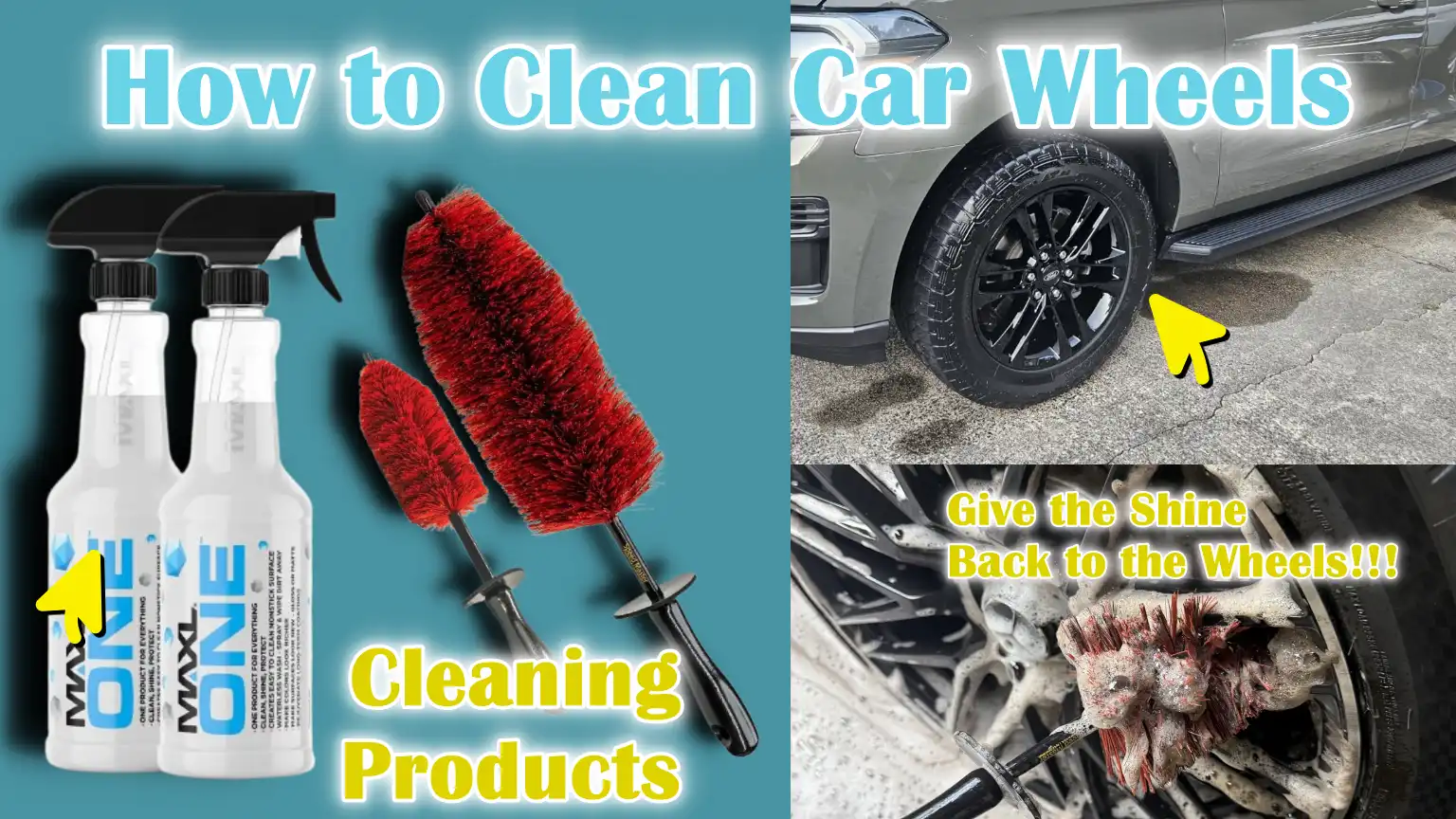
So, here’s the proper and simple guide on How to Clean Car Wheels, so that you can clean them in the perfect way by using safe products and proper techniques.
Know, What are The Car Wheel Types and Finishes
1. Alloy Wheels
Alloy wheels are one of the most common types of wheels found in modern cars because they are lightweight, strong and attractive.
They are typically made from a mixture of aluminum and other metals, which helps improve handling, braking performance and fuel efficiency.
However, alloy wheels are more susceptible to brake dust and road chemicals because metal particles can adhere to their surface over time.
Using harsh or acidic cleaners can damage the protective coating on alloy wheels, leading to stains, rust, or tarnishing.
Cleaning alloy wheels with mild, non-acidic products and a soft brush helps maintain their shine and protect the surface from damage.
2. Steel Wheels
Steel wheels are commonly used in budget cars, older vehicles and difficult driving conditions because they are very durable and resistant to bending.
Unlike alloy wheels, steel wheels are heavier and are usually painted or covered with hubcaps.
Although cosmetic damage isn’t readily visible, steel wheels can rust if dirt, moisture and road salt remain on the surface for extended periods.
Regular cleaning is essential to remove dirt and salt, which can gradually erode the paint layer.
Using a mild cleaner and thoroughly drying steel wheels after washing reduces the risk of rust and increases their lifespan.
3. Chrome Wheels
Chrome wheels are primarily designed for aesthetics and feature a thin layer of chrome plating over the metal.
This finish provides a shiny, mirror-like shine but requires extra care during cleaning.
The chrome surface is prone to water spots, scratches and peeling if harsh chemicals or rough scrubbing tools are used.
Brake dust and road grime can also stain chrome if not cleaned regularly.
To keep chrome wheels clean and prevent permanent damage to their shiny surface, it’s important to use mild cleaners, a soft cloth and dry them quickly.
4. Painted and Clear-Coated Wheels
Painted and clear-coated wheels are protected by a layer of paint and a transparent clear coat, similar to a car’s body paint.
This finish helps protect against dirt, moisture and minor scratches, but it’s not completely resistant to damage.
Over time, harsh cleaners, rough brushes and unattended brake dust buildup can damage the clear coat, causing it to fade or flake.
Cleaning these wheels with pH-balanced products and gentle tools protects the clear coat and maintains its original color and shine.
Proper care also makes future cleaning easier because dirt is less likely to stick to a healthy clear coat.
5. Why Wheel Material Matters When Choosing a Cleaning Method
Each wheel material reacts differently to dirt, heat, moisture and cleaning chemicals, so choosing the right cleaning method is crucial.
Using the wrong products can remove protective coatings, discolor the finish, or accelerate rusting and damage may not be immediately apparent.
Understanding your car’s wheels and finish type can help you clean them safely, protect their surface and avoid costly repairs or replacements.
When wheels are cleaned using the right methods for their material, they last longer, look better and remain durable even in harsh driving conditions.
Tools
| Tool or Supply | What It Is | Why It Is Important |
|---|---|---|
| Wheel Cleaner (Acidic) | It is a powerful liquid cleaner designed to remove heavy amounts of brake dust and metal residue. | It works faster on very dirty wheels with a lot of brake dust. |
| Wheel Cleaner (Non-Acidic) | Safe and gentle cleaning material for most types of wheels. | It protects the surface of the wheels while removing dust and dirt. |
| Soft Wheel Brushes | Soft bristle brushes for wheel faces and spokes. | Cleans without scratching the wheel surface. |
| Detailing Brushes | Small brushes for tight spaces like nuts and corners. | It reaches places where hands and clothes cannot reach. |
| Microfiber Towels | Soft, lint-free car care cloths. | It is scratch resistant and absorbs water well. |
| Bucket with Clean Water | A vessel filled with fresh water. | Helps clean dirt from brushes and tools. |
| Hose | A normal water hose with a steady flow. | Removes loose dirt before and after cleaning. |
| Pressure Washer (Low PSI) | A machine that sprays water with pressure. | This makes cleaning faster and easier. |
| Wheel Protectant | A spray or liquid that forms a protective layer. | Reduces future brake dust buildup. |
| Wheel Sealant | A long-term protective layer. | Keeps wheels clean for a long time. |
How to Ensure Safety Before Cleaning The Wheel
1. Allow the wheels to cool down before cleaning.
Wheels get very hot during driving because heat is generated every time the brakes are applied.
Spraying cold water or cleaner on hot wheels can cause a sudden temperature change, potentially cracking the protective coating or damaging the wheel’s surface over time.
Cleaning chemicals also dry very quickly on hot wheels, which can lead to streaks or stains.
Waiting for the wheels to cool down allows the cleaners to work properly and protects the wheel’s finish from heat damage.
Allowing the wheels to cool also reduces the risk of burns or injuries while cleaning.
2. Avoid cleaning in direct sunlight.
Direct sunlight causes water and cleaning products to dry very quickly on the wheel’s surface.
When cleaners dry too quickly, they can leave behind streaks, water spots, or chemical residue that are difficult to remove.
Sunlight also increases the surface temperature, which can make some chemicals more potent and potentially damage paint, clear coat, or chrome finishes.
Cleaning the wheels in a shaded area or during cooler times of the day allows for better control, safer chemical use and more consistent cleaning results.
3. Wear gloves for hand protection.
Wheel cleaners are designed to break down brake dust, grease and metal particles, which means they can be harmful to human skin.
Direct contact can cause dryness, irritation, or allergic reactions, specially with repeated use.
Wearing gloves protects your hands from chemicals, sharp debris and metal particles hidden in brake dust.
Gloves also improve grip when using wet tools, making the cleaning process safer and more comfortable.
4. Test the wheel cleaner on a small, inconspicuous area first
Not all wheel finishes react the same way to cleaning products, even if the cleaner claims to be safe.
Testing the cleaner on a small, inconspicuous area ensures that it won’t cause discoloration, staining, or peeling.
This simple step can prevent permanent damage that might only become apparent after the cleaner has dried.
A quick test provides peace of mind, confirming that the product is safe to use on the entire wheel and helping to avoid costly repairs or refinishing.
How to Clean Car Wheels – Effective & Easy Process
1. Wash the Wheels to Remove Loose Dirt and Debris
The first and most important step in cleaning car wheels is to wash away loose dirt, sand and road grime.
Abrasive particles accumulate on wheels, which, when dry, can scratch the surface during abrasion.
Washing with water safely removes these particles and reduces the risk of damage during abrasion.
This step also helps cool the wheels if they are still hot and prepares the surface so that the cleaning product can work more effectively.
2. Apply the Wheel Cleaner Evenly
Once loose dirt is removed, applying the wheel cleaner evenly ensures that all parts of the wheel are equally clean.
Even coverage allows the cleaner to break down brake dust, grease and metal particles more effectively.
Applying the cleaner unevenly can leave dirty spots or stains where the chemical remains for too long.
Using a mild, wheel-safe cleaner protects the wheel’s finish while providing powerful cleaning.
3. Let the cleaner sit for the recommended time
Wheel cleaner needs time to work, called dwell time.
During this time, the cleaner loosens brake dust and dirt so it can be easily removed without excessive scrubbing.
Leaving the cleaner on for the recommended time improves cleaning results and reduces the need for vigorous scrubbing, helping to avoid scratches.
However, allowing the cleaner to dry on the wheel can cause stains or damage, so timely attention is crucial.
4. Scrub with a Wheel Brush
Once the cleaner has had time to work, gently scrubbing with a wheel brush helps remove dirt from hard-to-reach areas like the inner barrel, spokes and lug nuts.
Using a soft wheel brush ensures thorough cleaning without damaging the wheel surface.
Light, controlled movements are sufficient as the cleaner has already loosened the dirt.
Proper rubbing ensures even cleaning and restores the wheel’s original appearance.
5. Rinse thoroughly to remove residue
It is crucial to thoroughly rinse away all traces of loose dirt and cleaner.
Leftover chemicals can cause streaks, stains, or damage the surface over time.
A strong but controlled stream of water helps flush the cleaner from small gaps and crevices.
Thorough rinsing leaves the wheel surface clean, safe and ready for drying or protection.
6. Dry the wheels with a microfiber towel
Drying the wheels prevents water spots, specially in areas with hard water.
Microfiber towels are soft and highly water-absorbent, making them ideal for drying surfaces without scratching.
This also makes it easier to identify any remaining dirt on the dried wheels and the surface is ready for applying a wheel protectant or sealant.
Proper drying completes the cleaning process and leaves the wheels looking clean and well-maintained.
How to Remove Stubborn Brake Dust and Grime
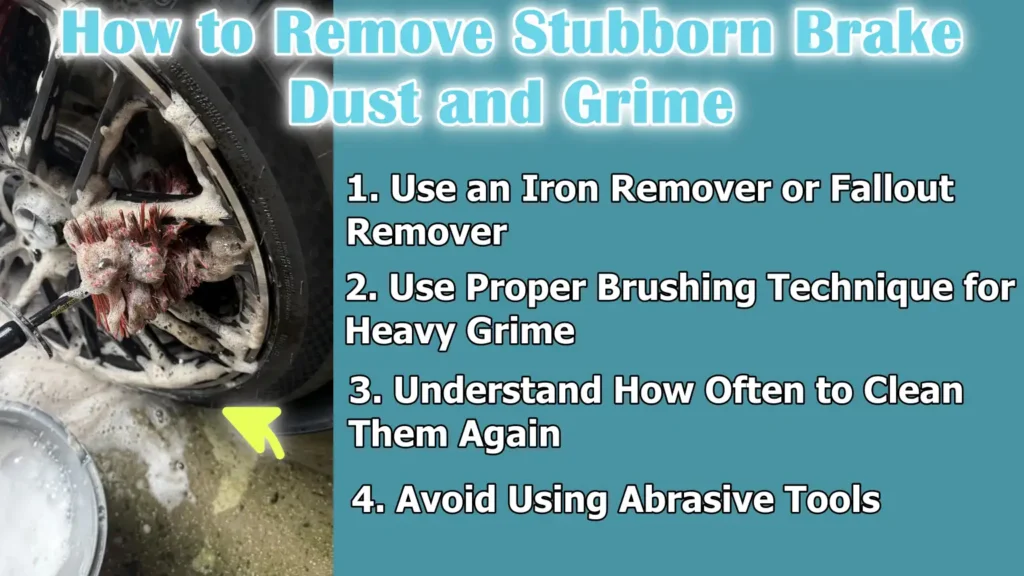
1. Use an Iron Remover or Fallout Remover
Stubborn brake dust contains tiny metal particles that are released from the brake pads and rotors during braking.
These particles become hot and adhere firmly to the wheel surface, specially on alloy and painted wheels.
Regular wheel cleaners often fail to completely remove this type of grime.
Iron removers and fallout removers are designed to react with the metal particles and safely loosen them without excessive scrubbing.
When used correctly, these products help remove deeply embedded grime and restore the wheel’s original finish, while also reducing the risk of long-term corrosion.
2. Use Proper Brushing Technique for Heavy Grime
Heavy brake dust buildup requires gentle but controlled brushing to avoid damage.
Soft wheel brushes allow the cleaner to reach into small crevices and corners without scratching the surface.
Applying light pressure and using slow, consistent movements helps lift stubborn grime that has already been loosened by the cleaner.
Aggressive brushing can damage the protective coating, so patience and proper technique are more effective than brute force.
Cleaning a small section at a time ensures even results and minimizes the chance of missing spots.
3. Understand How Often to Clean Them Again
On some wheels, particularly those on performance or city-driven vehicles, layers of brake dust can accumulate over the years.
In such cases, a single cleaning may not be sufficient to completely remove all the grime.
Repeating the process after the initial wash allows the cleaner to work deeper into the remaining dirt.
It’s better to repeat the gentle cleaning steps rather than scrubbing aggressively, as this preserves the wheel’s finish.
Regular maintenance cleaning reduces the need for frequent deep cleaning in the future.
4. Avoid Using Abrasive Tools
Abrasive tools such as wire brushes, rough sponges, or harsh scrubbing pads can permanently damage the wheel surface.
These tools can scratch the paint, remove the clear coat and leave marks that trap dirt even more quickly.
Once the protective layer is compromised, the wheels become more susceptible to rust and staining.
Using soft tools and the correct cleaners protects the wheel material and provides long-lasting results without unnecessary wear and tear.
Let’s, Clean Tires Along with Wheels
1. The Difference Between Tire Rubber and Wheel Surfaces
Tires and wheels are made of very different materials and react differently to dirt and cleaning products.
Tire rubber is flexible and porous, meaning it absorbs oils, dirt and chemicals from the road.
Wheel surfaces, on the other hand, are solid and made of metal or coated materials designed to resist damage.
Because of this difference, dirt penetrates deep into the tire rubber, while it mostly remains on the surface of the wheels.
Understanding this distinction is crucial because products safe for wheels may not effectively clean tires and harsh tire cleaners can damage wheel finishes if used incorrectly.
2. Using a Dedicated Tire Cleaner or APC
Dedicated tire cleaners are designed to remove stubborn dirt, old tire dressings and the brown residue caused by oxidation.
These cleaners work deep into the rubber’s pores without damaging the tire’s structure.
An all-purpose cleaner, often referred to as APC, can also be used when properly diluted, making it a versatile option for regular maintenance.
Using the correct cleaner helps restore the tire’s natural black color and ensures that any new tire dressing adheres properly.
Choosing the right product also reduces the need for vigorous scrubbing, protecting both the tires and wheels.
3. Scrubbing the Sidewalls for Deep Cleaning
The tire sidewalls accumulate the most dirt because they are constantly exposed to road oils and debris.
Gently but firmly scrubbing helps remove ingrained dirt from the rubber surface.
When scrubbing, working evenly across the sidewall ensures consistent results and avoids patchy cleaning.
Clean sidewalls not only improve the appearance but also help maintain the tire’s flexibility and reduce cracking over time.
4. Properly Washing and Drying Tires
Thorough washing removes loose dirt and cleaning residue, which, if left behind, can attract new dirt.
Leftover cleaner can also leave streaks or make the tires look dull after drying.
Drying the tires after washing prevents water spots and allows for better inspection of any remaining dirt.
Proper drying prepares the tire surface for dressing or protection, ensuring a longer-lasting and cleaner finish.
How to Apply Wheel Protection – Totally Optional, but Highly Recommended
1. Benefits of Wheel Sealants and Ceramic Sprays
Wheel sealants and ceramic sprays create a thin protective layer on the wheel surface that acts as a barrier against dirt, brake dust, water and road chemicals.
This layer minimizes direct contact between contaminants and the wheel’s finish, helping to prevent staining and corrosion.
Ceramic-based products are particularly effective because they can withstand the high heat generated by braking without easily degrading.
Regular application of wheel protection keeps wheels cleaner for longer and reduces the need for frequent deep cleaning, preserving the wheels’ original finish.
2. How Protection Reduces Brake Dust Buildup
Brake dust contains metallic particles that, when heated, adhere strongly to unprotected wheel surfaces.
When a protective coating is applied, the adhesion of these particles to the surface is reduced, making them easier to wash away during regular cleaning.
The smooth, sealed surface also prevents brake dust from embedding deeply, reducing the risk of long-term damage.
Over time, protected wheels show less discoloration and require less aggressive cleaning, extending their lifespan.
3. Application Process and Drying Time
Wheel protection products are most effective when applied to clean and completely dry wheels.
Even application ensures complete coverage and consistent protection.
After application, the drying time allows the product to properly bond with the wheel surface, forming a durable protective layer.
Some sprays dry quickly in minutes, while more robust sealants may require several hours.
Allowing sufficient drying time improves durability, heat resistance and overall performance, ensuring long-lasting protection and easier maintenance.
Read More:
What are The Common Mistakes to Avoid During Cleaning The Wheels
1. Using Household Cleaners
Household cleaners like dish soap, bathroom sprays, or degreasers are not designed for car wheels.
These products often contain harsh chemicals that, while effective at removing grease, can strip away the protective coating on the wheels.
Over time, this can lead to fading, loss of shine and surface damage.
Some household cleaners can also react negatively with metal and clear coats, causing stains that are difficult to remove.
Using cleaners specifically formulated for wheels ensures the finish is protected and the cleaning is effective.
2. Scrubbing with Metal Brushes or Abrasive Sponges
Metal brushes and abrasive scrubbing pads can inflict deep scratches on the wheel surface, even if the damage isn’t immediately visible.
These scratches compromise the protective layer and allow dirt, brake dust and moisture to accumulate easily.
Once scratched, the wheels become harder to clean and deteriorate more quickly.
Soft brushes and microfiber tools clean safely without damaging the wheel material.
3. Allowing Cleaner to Dry on the Wheels
Wheel cleaners are designed to work while wet and allowing them to dry can lead to chemical stains or streaks.
Dried cleaner residue can adhere to the wheel surface and require aggressive scrubbing to remove, increasing the risk of damage.
Heat and sunlight exacerbate this problem by accelerating the drying process.
Rinsing the cleaner within the recommended time keeps the wheel surface protected and clean.
4. Ignoring the Inner Wheel Barrel
The inner wheel barrel accumulates a significant amount of brake dust and grime, often more than the visible outer surface.
Neglecting this area allows dirt to harden over time, making future cleaning even more difficult.
Excessive dirt buildup inside the wheel well can also disrupt balance and trap moisture, leading to rust.
Regularly cleaning the inner wheel wells ensures better maintenance and keeps the wheels in overall better condition.
How Often Should You Clean Your Car’s Wheels?
Even, automakers themselves recognizes that the brake dust build-up is just a normal issues and they recommend a gently cleaning with the mild soap and water, but you need to avoid using any harsh chemicals or abrasives that have the capability to damage the wheel finishes, so by doing regular cleanup of wheels you can protect the wheel surface and ensure also ensure that warranty coverage without any compromise.[¹]
1. Daily Driven Vehicles
Vehicles driven daily are constantly exposed to brake dust, road grime, oil residue and air pollution.
Even short daily trips generate brake dust, which contains metal particles that can adhere to the wheel surface if left for extended periods.
Regularly cleaning the wheels prevents this buildup from hardening and makes it easier to remove.
Frequent wheel cleaning also maintains the wheel’s finish and reduces the need for harsh cleaners later on.
For most daily driven vehicles, frequent light cleaning is more effective and safer than waiting for heavy buildup to occur.
2. High-Performance or Heavy Braking Vehicles
High-performance vehicles and those driven in stop-and-go traffic generate more brake dust because their braking systems produce more heat and friction.
This increased heat causes metal particles to adhere to the wheel surface more quickly, specially on alloy and painted wheels.
If not cleaned frequently, this buildup can stain the wheel’s finish and increase the risk of corrosion.
More frequent cleaning helps manage heavy brake dust, protects the finish of expensive wheels and ensures that braking components operate in a clean environment.
3. Seasonal Considerations
Different weather conditions affect how quickly wheels get dirty.
In rainy weather, mud, moisture and road grime cling to the wheels and can trap water against the surface, increasing the risk of corrosion.
In dusty conditions, fine particles settle into the crevices of the wheels and combine with brake dust to form a hard buildup.
In cold or wet weather, road salt and chemicals can cause corrosion and surface damage.
Adjusting the frequency of wheel cleaning based on weather conditions helps prevent long-term damage and keeps the wheels in good condition throughout the year.
Conclusion – How to Clean Car Wheels
Yes, now you have clearly understood that wheel damages does not happens overnight, but when you won’t clean them at the regular time interval then the long-term problems happens and they leads to the expensive replacements.
Wheels are constantly exposed to heat, brake dust, road chemicals, moisture and dirt and if left unattended, these elements can gradually degrade the wheel’s finish.
Regular and proper cleaning prevents metal particles from adhering to the surface, reduces the risk of corrosion and extends the lifespan of the wheels without the need for expensive repairs or refinishing.
Using the right tools, safe cleaners and gentle techniques ensures effective cleaning without damaging the wheel material.
Applying a wheel protectant minimizes dirt buildup and makes future cleaning easier.
When wheels are cleaned consistently and carefully, they remain safer, stronger and better-looking over time, proving that small maintenance habits can make a big difference in the long-term care of your vehicle.
So, that’s it from this one and let us know if you still have confusion related to this guide.
Frequently Asked Questions
Q1. Why is it important to clean car wheels regularly?
Answer: Regular cleaning of car wheels is important because they accumulate a lot of dirt, brake dust and road grime, which can damage the finish over time. Brake dust contains tiny metal particles that can corrode the wheel surface if left uncleaned. Regular cleaning not only keeps the wheels looking shiny and new but also helps maintain their durability and prevents long-term damage. It also improves safety, as heavily soiled wheels can hide cracks or damage that may need attention.
Q2. What type of wheel cleaner should I use for my wheels?
Answer: The type of wheel cleaner depends on the wheel material and finish. Acidic cleaners are stronger and effective on stubborn brake dust, specially on steel or chrome wheels, but they can damage delicate finishes. Non-acidic cleaners are safer for painted or clear-coated wheels and are gentler on surfaces, yet still effectively remove dirt and grime. To avoid damage, always read the product instructions and test on a small, inconspicuous area before applying it completely.
Q3. Can I use household cleaners to clean my car wheels?
Answer: Household cleaners are not recommended for car wheels because they are often too harsh or abrasive for automotive finishes. Products like dish soap or bleach can strip protective coatings, fade paint, or cause corrosion over time. Dedicated wheel cleaners are designed to safely remove dirt, brake dust and grime without damaging the wheel material.
Q4. How do I remove stubborn brake dust from my wheels?
Answer: To remove stubborn brake dust, use an iron remover or fallout remover specifically designed for automotive wheels. These products safely break down iron particles. For heavily soiled areas, gently agitate the wheel with a soft brush. Avoid using stiff brushes or metal tools, as these can scratch or damage the wheel. In some cases, repeating this process once or twice will result in a completely clean surface without damaging the wheel.
Q5. Should I clean the tires as well as the wheels?
Answer: Yes, it’s important to clean the tires along with the wheels because the tire rubber attracts dirt, road grime and brake dust, which can adhere to the wheel rim. Using a dedicated tire cleaner or all-purpose cleaner helps remove dirt from the sidewalls and deep grooves. Proper scrubbing and rinsing will leave the tires looking fresh and drying them will prevent water spots or streaks. Cleaning both the wheels and tires together provides a finished, polished look.
Q6. Is applying wheel protection necessary?
Answer: Applying wheel protection is recommended, although it is optional. Wheel sealants and ceramic sprays create a protective layer on the wheel surface, making it more difficult for brake dust, dirt and grime to adhere. Protection also makes future cleaning easier and reduces the risk of corrosion. The application process is simple and allowing it to cure for the recommended time will provide long-lasting results.
Q7. How often should I clean my car’s wheels?
Answer: The frequency of cleaning your wheels depends on usage and conditions. Cars that are driven daily may benefit from cleaning every two weeks to prevent dirt buildup. High-performance vehicles or those that require frequent braking may need more frequent cleaning due to the rapid accumulation of brake dust. Weather conditions such as rain, snow, or dusty roads also affect how often you should clean your wheels. The best way to determine your cleaning schedule is to observe how quickly your wheels get dirty.
References:
[1] Excessive Brake Dust on Wheels
https://static.nhtsa.gov/odi/tsbs/2024/MC-11000599-0001.pdf

Guys, I’m a car audio enthusiast and customization expert and I love clear sound and clean installation. Plus, I have spent years helping people build their dream audio setups. And whenever I’m working on cars, I probably listen to music and thinks about the next big upgrade.