
Written By: Don Dodi
Fact Checked By: Kristen Brown
Reviewed By: Diego Rosenberg
Yes, even a simple thing like a weak or badly corroded battery terminal can stop your car from starting, even when your vehicle’s battery itself is perfectly good.
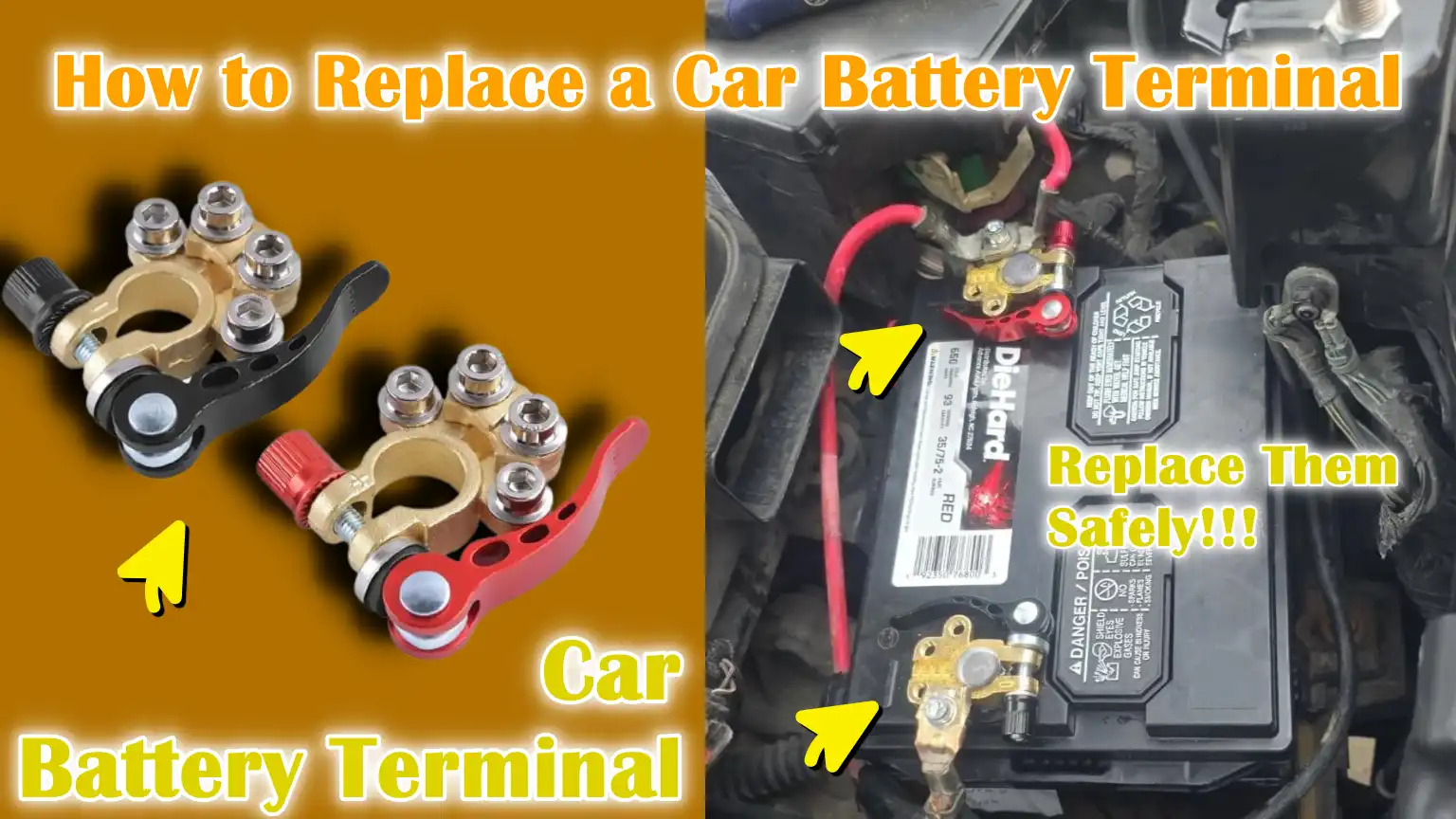
Basically, a car battery terminal is a small metallic part, that connects the car battery to the entire electrical system, that literally allows the power to flow to the starter motor, lights, sensors, infotainment systems and safety features as well.
And, whenever the terminal becomes corroded, loose or damaged, then the electricity just cannot flow properly, which again leads to the slow engine start, warning lights could be triggered on the dashboard or a car that won’t start at all.
Even, there’s studies and automotive service reports that shows that the poor battery connections are one of the most common reasons of starting problems, specifically it is seen in the vehicles older than 3 years or so.
Not only this, the corrosion on the battery terminals literally increases the electrical resistance, that even reduces battery efficiency and unfortunately shortens the battery life by months or even years.
So, that’s the guide that shows How to Replace a Car Battery Terminal so that you can restore that reliable power and prevent from sudden breakdowns as well.
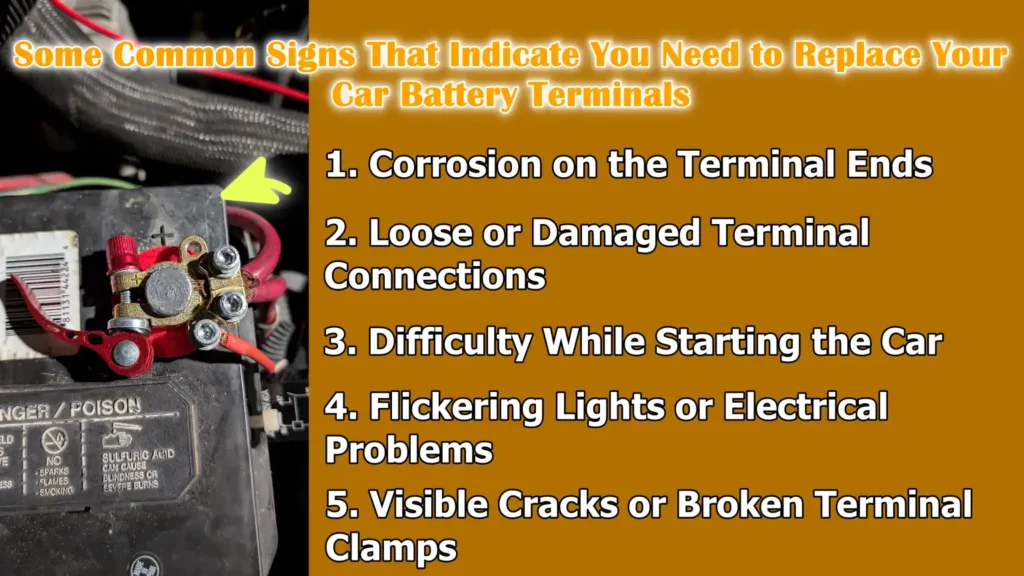
Some Common Signs That Indicate You Need to Replace Your Car Battery Terminals
1. Corrosion on the Terminal Ends
Corrosion is the clearest sign that your car’s battery terminals need replacing.
It typically appears as a white, blue, or green powdery substance around the terminal and battery post.
This buildup forms when battery acid vapors react with the metal, gradually corroding the terminal surface.
Corrosion hinders the smooth flow of electricity, forcing the battery and alternator to work harder than usual.
Over time, this can shorten battery life and lead to frequent starting problems.
If the corrosion keeps returning even after cleaning, it means the terminal metal is already compromised and replacement is the safest solution.
2. Loose or Damaged Terminal Connections
A battery terminal should be securely and firmly attached to the battery post without any movement.
If the terminal feels loose, slips easily, or cannot be tightened properly, it may be stretched, worn, or broken internally.
Loose connections disrupt the flow of electricity, leading to intermittent power loss while driving.
This is particularly dangerous as road vibrations can cause the battery to suddenly disconnect, potentially leading to engine stalls or electrical function failures.
Replacing the terminals ensures a strong and stable connection that maintains consistent power.
3. Difficulty While Starting the Car
When a car is difficult to start, many people assume the battery is weak, but often the real culprit is faulty battery terminals.
A damaged terminal cannot deliver sufficient power to the starter motor, even if the battery is fully charged.
This can result in slow cranking, clicking sounds, or the engine failing to start at all.
In cold or hot weather, this problem is exacerbated as power demands increase.
Replacing faulty terminals restores proper power supply and ensures the engine starts smoothly and quickly.
4. Flickering Lights or Electrical Problems
Flickering headlights, dim interior lights and erratic dashboard displays are strong warning signs of poor battery terminal connections.
Modern vehicles rely heavily on a stable power supply to operate their safety systems, sensors and onboard computers.
A corroded or loose terminal can cause voltage drops, leading to erratic electrical behavior.
These problems can be intermittent, making them difficult to diagnose, but they often point to faulty battery terminals.
Replacing the terminals stabilizes the voltage and protects sensitive electronic components from damage.
5. Visible Cracks or Broken Terminal Clamps
Physical damage to the battery terminals is a clear indication that they need replacing.
Cracks, broken clamps, or bent metal prevent the terminal from securely gripping the battery post.
This damage can result from overtightening, metal fatigue over time, or exposure to extreme temperatures.
A damaged terminal cannot maintain proper contact, increasing the risk of sudden power loss or complete battery disconnection.
Replacing visibly damaged terminals ensures safe operation and reduces the risk of electrical failure while driving.
Tools
| Tool or Material | Why It Is Needed |
|---|---|
| Replacement Battery Terminal | This is the main part that is being installed. Choose the correct type, either positive or negative, so that it fits properly onto the battery post and connects correctly to the cable. |
| Wrench or Socket Set | A wrench or socket is used to loosen and tighten the terminal bolts. This helps in removing the old terminal and securely attaching the new terminal without damaging the battery post. |
| Battery Terminal Puller | This tool is needed when the old terminal is stuck on the battery post. It safely removes tight terminals without breaking or damaging the battery. |
| Wire Brush or Battery Cleaning Tool | A wire brush cleans corrosion from the battery posts and cable ends. Clean metal surfaces allow electricity to flow easily and prevent future power problems. |
| Safety Gloves and Eye Protection | Gloves protect your hands from battery acid and sharp metal edges. Eye protection prevents acid, dust and debris from getting into your eyes during cleaning. |
| Baking Soda and Water | This mixture neutralizes battery acid and removes corrosion. It makes cleaning safer and helps prevent corrosion from returning quickly. |
How to Take Safety Precautions Before Replacing Battery Terminals
1. Turning Off the Engine and Removing the Key
Before working on a car battery, the engine must be completely turned off and the key removed from the ignition.
This stops the flow of electricity through the system and prevents accidental sparks or short circuits.
Many modern vehicles continue to draw power even when parked, so removing the key ensures all systems are inactive.
This simple step significantly reduces the risk of electric shock, accidental engine startup, or damage to electronic components while replacing battery terminals.
2. Wearing Safety Gloves and Goggles
Car batteries contain acid that can burn the skin and cause serious eye damage upon contact.
Wearing safety gloves protects your hands from acid residue, corrosion and sharp metal edges on the terminals.
Eye protection is equally important, as small particles of corrosion or liquid acid can splash upwards during cleaning or removal.
Using the correct safety gear prevents injuries and allows you to work confidently and safely.
3. Avoiding Metal Contact Between Terminals
Allowing metal tools to touch both battery terminals simultaneously can cause a direct short circuit.
This can result in sparks, damage to the battery, or the tool becoming instantly hot.
Such contact can also damage the vehicle’s sensitive electronics.
Keeping metal objects away from both terminals and working on one connection at a time maintains control and minimizes the risk of electrical accidents during the replacement process.
4. Clearly Identifying Positive (+) and Negative (–) Terminals
Correctly identifying the positive and negative battery terminals is crucial for safety and proper installation.
The positive terminal is usually marked with a plus sign and often covered with a red cap, while the negative terminal is marked with a minus sign and is typically black.
Connecting them incorrectly can cause sparks, electrical damage, or blow fuses.
Knowing which terminal is which ensures proper disconnection and reconnection, keeping both the vehicle and the person performing the repair safe.
How to Replace a Car Battery Terminal – Easy & Working Method
How to Disconnect the Battery Safely
1. Remove the Negative Terminal First
The negative battery terminal should always be removed before any other connections.
This step is crucial because the negative terminal is connected to the car’s body and removing it first significantly reduces the risk of accidental sparks or short circuits.
Once the negative cable is disconnected, working on the electrical system becomes much safer.
This stops the flow of electricity, even if a tool accidentally touches metal parts of the car during the repair process.
2. Carefully Disconnect the Positive Terminal
After safely removing the negative terminal, the positive terminal can be disconnected.
This terminal carries live power from the battery, so caution is necessary.
Loosening the positive terminal after the negative terminal has been removed greatly reduces the risk of sparks and electrical damage.
Keeping tools steady and away from other metal parts helps protect the battery and surrounding components.
How to Remove the Old Battery Terminal
1. Loosen the Terminal Clamp Bolt
The terminal clamp bolt holds the battery terminal tightly to the battery post.
Using a wrench or socket, slowly loosen the bolt until the clamp is loose enough to move freely.
Do not force the bolt, as older terminals can be brittle and may break if handled roughly.
Loosening it properly makes removal easier and prevents damage to the battery post.
2. Separate the Terminal from the Battery Post
Once the clamp is loose, the terminal can be lifted off the battery post.
Some terminals may be stuck due to corrosion, which can act like an adhesive over time.
Gently twisting the terminal while pulling it upward usually helps to free it.
Carefully removing the terminal prevents cracking the battery post or damaging the cable.
3. Inspect the Battery Cable for Damage
After removing the terminal, the battery cable should be thoroughly inspected.
Look for frayed wires, damaged insulation, or signs of corrosion inside the cable end.
A damaged cable can disrupt the flow of electricity and cause starting problems in the future.
If the cable is severely damaged, replacing the cable along with the terminal is the safest option.
How to Clean the Battery Posts and Cables
1. Remove Corrosion with a Baking Soda Solution
The corrosion on the battery is acidic and it’s essential to remove it before installing a new terminal.
A mixture of baking soda and water helps neutralize the acid and makes the cleaning process safer.
When applied, it may bubble, indicating that the acid is being neutralized.
This step prevents the corrosion from spreading and protects the new terminal.
2. Scrub the Battery Posts and Cable Ends
After neutralizing the acid, the battery posts and cable ends should be scrubbed until clean metal is visible.
Removing all the corrosion ensures a strong electrical connection.
Clean surfaces allow electricity to flow easily, resulting in better starting power and reduced electrical resistance.
3. Dry All Parts Thoroughly
Before installing the new terminal, it’s crucial that all cleaned parts are completely dry.
Any remaining moisture can quickly lead to new corrosion.
Drying the parts ensures that the new terminal remains clean and functions properly for a longer time.
How to Install the New Battery Terminal
1. Connect the new terminal to the battery cable
The new battery terminal should first be securely connected to the battery cable.
This ensures that the cable is properly attached and in the correct position.
A strong connection between the cable and the terminal is essential for the vehicle’s electrical system to receive full battery power.
2. Tighten it securely but avoid overtightening
The terminal bolt should be tightened until the connection is firm and stable.
Overtightening can damage the terminal or cable, while undertightening can result in a loose connection.
The correct tightness helps maintain long-term reliability and prevents future electrical problems.
3. Place the terminal onto the battery post
Once the terminal is connected to the cable, it should be placed onto the battery post.
The terminal should sit completely flat on the post for good contact.
Proper placement minimizes voltage drop and ensures a consistent power supply from the battery.
How to Reconnect the Battery
1. Connect the Positive Terminal First
Connecting the positive terminal first after installation is the safest approach.
This restores power to the system and minimizes the risk of sparks.
Properly connecting the positive terminal ensures a stable electrical flow to all components of the vehicle.
2. Reconnect the Negative Terminal
Once the positive terminal is connected, the negative terminal can be reconnected.
This completes the electrical circuit and allows the vehicle to function normally.
Ensuring the negative terminal is securely tightened prevents power interruptions while driving.
3. Ensure the Terminals are Tight and Secure
After both terminals are connected, they should be checked for tightness.
A secure terminal should not move when touched.
Secure and stable terminals help prevent starting problems, protect the electrical system and ensure the safe operation of the vehicle.
Now, Perform Final Checks After Installation of New Car Battery Terminals
1. Ensure Terminals are Secure
After installing the new battery terminals, it’s crucial to ensure they are completely secure.
The terminals should be firmly attached to the battery posts and should not move when gently pushed or twisted by hand.
A loose terminal can interrupt power flow while driving, specially when the vehicle is on rough roads.
Terminal movement can also lead to sparking, corrosion and intermittent starting problems.
A stable terminal guarantees consistent electrical contact and longevity.
2. Verify Proper Electrical Connections
A proper electrical connection efficiently delivers the battery’s power to the engine and all electrical systems.
After tightening the terminals, carefully inspect the cable connections to ensure they are fully seated and making contact with clean metal surfaces.
Poor contact can increase electrical resistance, reducing power delivery and putting extra strain on the battery and alternator.
Clean and tight connections ensure consistent voltage and protect the vehicle’s sensitive electronics.
3. Start the Vehicle and Confirm Normal Operation
Starting the vehicle is one of the most important final checks.
The engine should start smoothly without any hesitation, slow cranking, or clicking noises.
Normal starting behavior indicates that the battery terminals are properly powering the starter motor.
If the engine starts quickly and runs smoothly, it’s a strong indication that the installation was successful and the electrical system is functioning as expected.
4. Check for Warning Lights or Power Issues
Once the engine is running, pay close attention to the dashboard and electrical systems.
Warning lights, dim headlights, flickering interior lights, or malfunctioning accessories can indicate loose or faulty connections.
Modern vehicles rely on stable voltage to power safety systems and onboard computers.
Checking these indicators helps in early identification of problems and ensures that replacing the battery terminals has restored full and stable electrical performance.
What are the Common Mistakes That You Should Avoid
1. Connecting Terminals in the Wrong Order
One of the most common mistakes when replacing battery terminals is connecting them in the wrong order.
The correct procedure is to disconnect the negative terminal first and reconnect it last.
Reversing this order can cause sparks, short circuits, or damage to sensitive electronic components.
Modern vehicles have numerous electronic control units that rely on stable power and sudden power surges can lead to costly repairs.
Following the correct sequence protects the electrical system and minimizes the risk of accidents.
2. Ignoring Corrosion on Battery Posts
Failing to clean corrosion from the battery posts is a mistake that can negate all the effort of replacing the terminals.
Corrosion creates resistance that hinders the smooth flow of electricity, even if the new terminal is tightly secured.
Residual corrosion can spread rapidly and shorten the lifespan of the new terminals.
Proper cleaning ensures metal-to-metal contact, improves starting performance and allows the battery to deliver full power to the vehicle.
3. Using the Wrong Terminal Size
Battery terminals come in various sizes and using the wrong size can lead to serious problems.
A terminal that is too large will not tighten properly, while one that is too small may break when tightened.
Poor fit results in loose connections, power loss and recurring starting issues.
Choosing the correct terminal size ensures a secure grip on the battery post and long-term electrical stability.
4. Overtightening Terminal Bolts
Overtightening terminal bolts is a common but damaging mistake.
Excessive force can strip the terminal, damage the bolt threads, or even crack the battery post.
Once damaged, these parts may require complete replacement rather than simple repair.
The bolt should be tightened just enough to ensure the terminal is securely in place.
This ensures safety, prevents damage and maintains a reliable electrical connection.
How Long Does It Take to Replace Car Battery Terminals?
1. Average Time for Beginners
For most beginners, replacing car battery terminals typically takes fifteen to thirty minutes.
This time includes disconnecting the battery, removing the old terminals, cleaning any corrosion, installing the new terminals and performing a final check.
The process is straightforward and doesn’t require extensive mechanical skills, making it suitable for first-time car owners.
It’s advisable to work slowly and carefully, as rushing can lead to loose connections or safety mistakes.
With basic tools and clear steps, most people can complete the task in a single short session.
2. Factors That Can Increase Installation Time
Several factors can increase the time required to replace battery terminals.
Excessive corrosion on the battery posts can take longer to clean properly, specially if it has accumulated over many months or years.
Seized or corroded terminal bolts can also slow down the process, as they need to be loosened carefully to avoid breakage.
Older vehicles or batteries that haven’t been regularly serviced may present more challenges, such as worn cables or damaged clamps.
Weather conditions, limited workspace, or a lack of experience can also extend the time.
Understanding these factors helps set realistic expectations and encourages patience for a safe and effective installation.
Let’s Compare it What Will Be The Cost of Replacing Car Battery Terminals
1. Typical Price of Battery Terminals
The cost of car battery terminals is typically low, making this repair affordable for most vehicle owners.
Standard battery terminals are generally inexpensive and readily available at auto parts stores and service centers.
Prices can vary depending on the vehicle type, the quality of the terminals and the materials used.
Basic terminals designed for everyday vehicles are inexpensive, while heavy-duty or corrosion-resistant terminals may be slightly more expensive.
Even higher-quality terminals remain quite affordable compared to many other car repairs, making replacement a cost-effective way to restore reliable electrical performance.
2. Cost of DIY vs Professional Replacement
Replacing battery terminals yourself is usually the most economical option.
When done at home, the total cost is mostly limited to the price of the terminals and basic tools, many of which are already available in most households.
Professional replacement at a repair shop includes labor charges, which can increase the overall cost.
Mechanics also inspect the battery and cables during installation, providing added benefit but also increasing the expense.
For drivers familiar with basic car maintenance, DIY replacement saves money, while professional service offers convenience and additional inspection for those who prefer expert handling.
Read More:
How to Maintain Car Battery Terminals to Ensure Reliable Working
In the electrical systems, how the quality of that connection is basically measured by the contact resistance: so this is the resistance to the current at the interface between the two metals. And, the higher contact resistance at the battery terminals, can caused by the corrosion or poor fitting that literally results in voltage drops and wasted energy in the form of heat, also this makes it harder for the battery to deliver the power when you start the engine or run any electronics, which is why it is really important to have tightly secured and clean terminal contacts as it matters as much as the battery itself does.[¹]
1. Regular Inspection for Corrosion
Regular inspection of battery terminals helps catch problems before they become serious.
Corrosion typically starts slowly and may not immediately affect performance, but over time it can impede the flow of electricity and damage the terminal metal.
By checking the terminals every few months, specially before long trips or changes in weather, drivers can identify early signs of buildup or discoloration.
Early detection can lead to simple cleaning rather than a full replacement and helps keep the battery functioning efficiently.
2. Periodic Cleaning of Terminals
Periodically cleaning battery terminals is one of the most effective ways to extend their lifespan.
Dirt and acid residue can gradually weaken the metal and reduce electrical contact.
Gentle cleaning removes these harmful deposits and maintains a strong connection.
Clean terminals allow electricity to flow smoothly from the battery to the vehicle’s systems, resulting in better starting performance and reducing stress on both the battery and alternator.
3. Ensuring Tight Connections
A tight battery terminal connection is crucial for consistent electrical power.
Over time, vibrations from driving can cause the terminals to loosen slightly.
Even a slight looseness can lead to power interruptions, flickering lights, or difficulty starting the vehicle.
Regularly checking and tightening the terminals ensures consistent contact with the battery posts and prevents unnecessary wear and tear on both the terminals and cables.
4. Using Terminal Protectors or Sprays
Terminal protectors and anti-corrosion sprays create a protective layer on the battery terminals.
This layer helps prevent moisture, dirt and acid fumes from causing corrosion.
Using these products after cleaning or replacement can significantly slow down the corrosion process.
Protecting the terminals in this way helps extend their lifespan, reduce maintenance requirements and maintain reliable electrical performance over time.
Conclusion – How to Replace a Car Battery Terminal
Basically, a well-connected battery terminal is not that is visibility or improves the look of your vehicle, but it quietly powers every start, light and ensure your safety system have sufficient energy to serve you in difficult time.
Because, the battery terminals are the main link between the battery and the entire electrical system and even a small amount of corrosion or looseness can disrupt power flow.
And, it can lead to delayed engine starts, electrical warnings, flickering lights and unnecessary strain on the battery and alternator.
Also, when you recognize the signs of deteriorating terminals, following proper safety precautions and correctly installing new terminals, drivers can prevent many common electrical problems before they become serious or expensive.
Just, ensure they are tight, clean connections allow electricity to flow freely, supporting the electronics and safety systems in modern vehicles that rely on stable voltage.
Along with this, when you replace that faulty terminals then it literally reduces the risk of sudden breakdowns and unexpected starting failures.
So, that’s all from this guide and let us know if you wanted to know something about this guide.
Frequently Asked Questions
Q1. What is a car battery terminal and why is it important?
Answer: A car battery terminal is a metal connection that connects the battery to the vehicle’s electrical system. It allows power to flow from the battery to the starter motor, lights, sensors and electronic systems. If the terminals are damaged, loose, or corroded, the electrical current will not flow properly, leading to problems such as difficulty starting, electrical failures and warning lights. Even a strong battery will not function correctly if the terminal connection is faulty.
Q2. How do I know if my car battery terminals need replacement?
Answer: Battery terminals typically need replacing when they show excessive corrosion, visible cracks, are loose, or if you experience frequent starting difficulties. If the terminal remains loose even after tightening, or if corrosion quickly returns after cleaning, the metal may be compromised. Flickering lights, slow engine cranking and sudden power loss are also common signs of faulty terminals.
Q3. Is it safe to replace car battery terminals myself?
Answer: Yes, replacing car battery terminals is generally safe if the correct safety precautions are followed. Turning off the engine, removing the key, wearing safety gloves and eye protection and disconnecting the negative terminal first significantly reduces the risks. The task doesn’t involve complex mechanical parts and can be safely completed with basic tools and careful handling.
Q4. Which battery terminal should be disconnected first and why?
Answer: Always disconnect the negative battery terminal first. This minimizes the risk of sparks and short circuits because the negative terminal is connected to the vehicle’s metal body. Removing it first makes working on the electrical system safer and helps prevent accidental damage to electronic components.
Q5. Can corrosion on battery terminals cause starting problems?
Answer: Yes, corrosion can directly cause starting problems. Corrosion creates resistance, which hinders the flow of electricity from the battery to the starter motor. This can lead to problems such as slow starting, clicking noises, or the car not starting at all. Excessive corrosion can also shorten battery life and put strain on the alternator over time.
Q6. Do the battery cables also need to be replaced when replacing the terminals?
Answer: In many cases, only the terminals need to be replaced. However, if the battery cables show signs of damage, such as frayed wires, cracked insulation, or corrosion inside the cable ends, it’s best to replace the cables as well. A faulty cable can still impede power flow even after installing new terminals.
Q7. How long does it take to replace car battery terminals?
Answer: For most people, specially beginners, replacing car battery terminals takes approximately 15 to 30 minutes. The time can vary depending on the amount of corrosion, seized bolts, or limited access. Taking a little extra time to properly clean and tighten the connections can prevent future problems.
Q8. Can I drive immediately after replacing the battery terminals?
Answer: Yes, you can drive immediately after replacement, provided the terminals are secure and the car starts normally. It’s important to check for any warning lights, flickering lights, or power issues before driving. A short test drive helps ensure the electrical connection is stable.
Q9. What happens if I connect the battery terminals in the wrong order?
Answer: Connecting the terminals in the wrong order can cause sparks, electrical surges, or damage to the vehicle’s sensitive electronics. In some cases, it can blow a fuse or trigger warning lights. Always reconnect the positive terminal first and the negative terminal last to ensure safe and correct electrical flow.
Q10. How can I prevent battery terminal problems in the future?
Answer: Regular inspection and cleaning help prevent battery terminal problems. Keeping the terminals tight, clean and protected from moisture prevents corrosion. Using a terminal protector or anti-corrosion spray after cleaning also extends the life of the terminals and ensures reliable electrical performance.
Q11. Is replacing battery terminals cheaper than replacing the entire battery?
Answer: Yes, replacing battery terminals is significantly cheaper than replacing the entire battery. Most battery problems are caused by poor connections rather than a weak battery itself. Addressing terminal issues first can restore proper function and avoid unnecessary battery replacement.
Q12. Can a bad battery terminal damage other parts of the car?
Answer: Yes, a faulty battery terminal can damage other parts over time. Poor electrical connections can cause voltage drops, putting strain on the alternator, starter motor and electronic control unit. Addressing terminal problems promptly protects these components and prevents costly repairs.
References:
[1] Contact resistance
https://en.wikipedia.org/wiki/Contact_resistance

Guys, I’m a car audio enthusiast and customization expert and I love clear sound and clean installation. Plus, I have spent years helping people build their dream audio setups. And whenever I’m working on cars, I probably listen to music and thinks about the next big upgrade.