 Skip to content
Written By: Don Dodi
Fact Checked By: Kristen Brown
Reviewed By: Diego Rosenberg
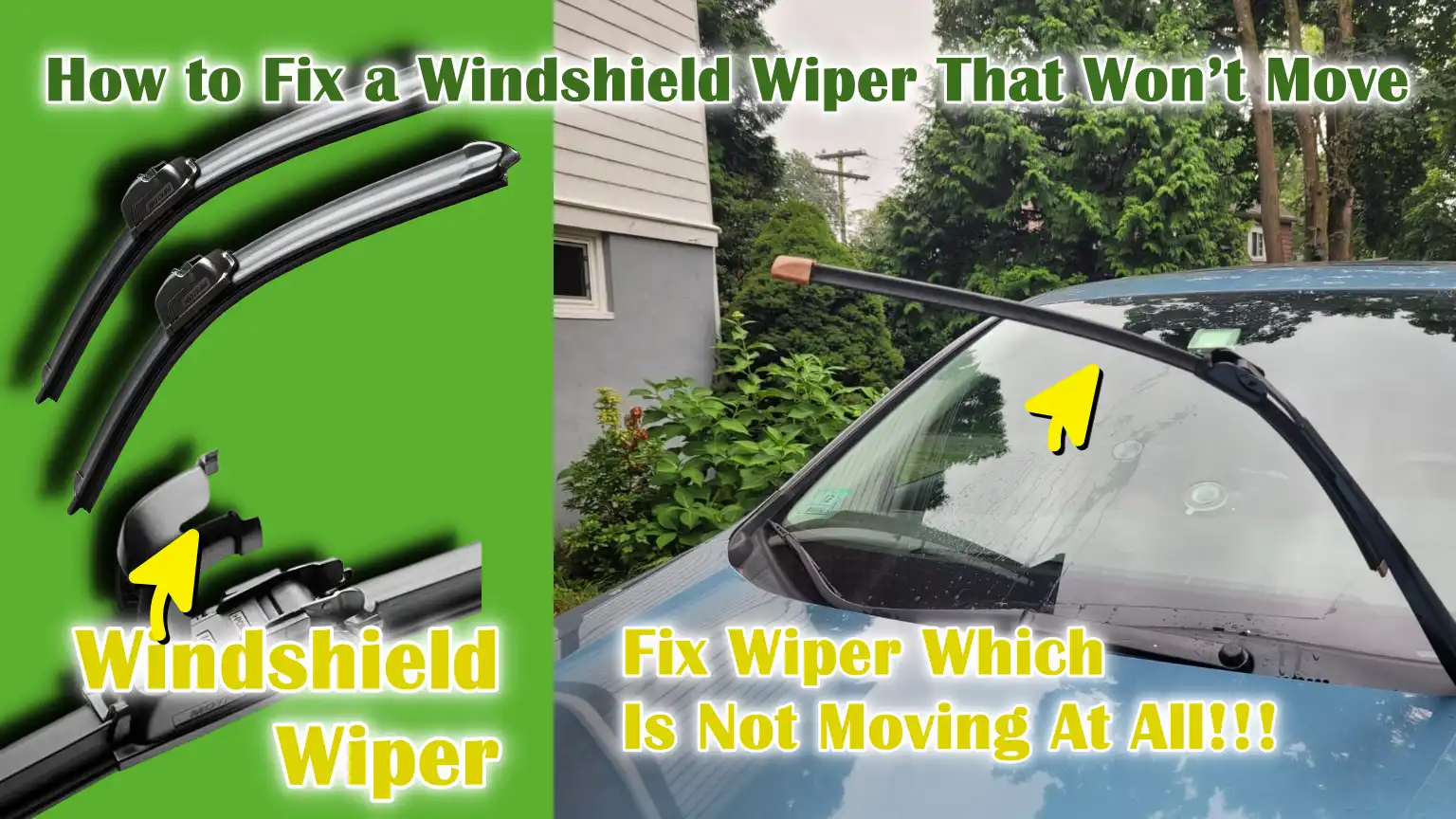
You can easily fix frozen blades or non-moving windshield wipers, as there could be small issues relate dto electric motor and linkage that creates the sweeping motion you see on your glass.
You need to be aware of the fact that: windshield wipers are the responsible for providing crystal-clear vision during the drive and that directly protects your ability to see the road clearly even during the rain, snow or dust storms as well.
Otherwise, there’s safety guidance from the NHTSA that shows that reduced visibility is the major factor in the many weather-related crashes, which is why it becomes really important to have properly functional wipers to achieve safe and sound journey.
Also, a typical windshield wiper system actually has: fuse, relay, motor, linkage assembly, control switch and wiper arms: so the reason could be anything, as any one of these parts fails, then it is possible the wipers may stop moving completely.
That’s why, in this guide you’ll know How to Fix a Windshield Wiper That Won’t Move, so that you can also learn to fix problems such as: failure of the electrical components, mechanical joints can be loosen up, splines can strip or fuses can blow due to the overload or corrosion can be the factor as well.
Common Reasons for Windshield Wipers Not Working
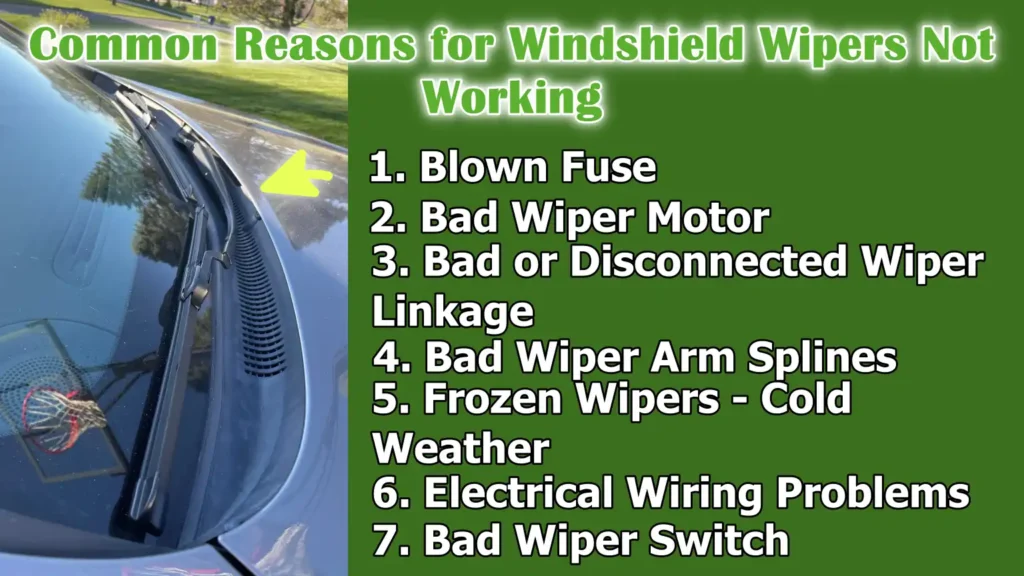
1. Blown Fuse
The simplest but most common reason for your windshield wipers not working is a blown fuse.
The fuse protects the electrical circuit powering the wiper motor from overload.
If too much current flows due to a short circuit or worn wiring, the fuse blows, cutting off power to the motor.
Checking the fuse box is usually the first step in diagnosing wiper problems because replacing a blown fuse is inexpensive and can lead to a quicker fix.
2. Bad Wiper Motor
The wiper motor is the heart of the windshield wiper system.
It converts electrical energy into mechanical motion to move the wipers across the glass.
Over time, repeated use, exposure to moisture, or an electrical fault can damage the motor.
A bad motor can make strange noises, run slowly, or stop working altogether.
Testing the motor with a multimeter can determine whether it’s receiving power or needs to be replaced, ensuring your wipers work properly in all weather conditions.
3. Bad or Disconnected Wiper Linkage
The wiper linkage connects the motor to the wiper arms, allowing the wipers to operate smoothly.
If the linkage is loose, bent, or disconnected, the motor may run but the wipers won’t.
Linkages often fail due to wear, corrosion, or sudden force on the wipers.
Inspecting the linkage under the cowl panel may reveal disconnected or broken joints and replacing or tightening the parts will restore proper movement.
4. Bad Wiper Arm Splines
The wiper arms connect to the linkage via small splines that allow the motor to rotate the arms.
If these splines are damaged or worn, the motor may run but the wipers will remain in place.
This usually occurs when excessive force is applied to frozen wipers or during manual adjustment.
For proper operation, it’s important to replace the wiper arms or realign them with the correct splines.
5. Frozen Wipers – Cold Weather
In cold weather, snow and ice can cause wiper blades to stick to the windshield.
Trying to operate frozen wipers puts excessive strain on the motor and linkage, often causing them to fail.
Always remove snow and ice from the windshield before operating the wipers.
Using the correct winter blades or windshield cover can prevent the system from freezing and reduce the risk of damage.
6. Electrical Wiring Problems
The wiper system relies on a network of wires that deliver power from the battery to the motor and switches.
Worn, damaged, or missing wires can prevent the motor from running, even if the fuses and motor are in good condition.
Electrical problems often require tracing wires with a multimeter and repairing or replacing faulty parts.
Ensuring proper wiring connections ensures reliable wiper operation.
7. Bad Wiper Switch
The wiper switch, usually located on the steering column, controls the wiper speed and operation.
If the switch fails due to wear, electrical problems, or internal corrosion, the wipers may not function, regardless of the motor’s condition.
Testing or replacing the switch may restore control.
In some vehicles, the switch also works with a relay, so testing both components may be necessary for a complete repair.
Tools
| Tool / Material | Purpose | Usage |
|---|---|---|
| Replacement fuse | Restore wiper power | The fuse protects the wiper’s electrical system. If it blows, the wipers won’t move. Replacing it is quick and easy. |
| Socket wrench set | Remove nuts and bolts | Used to loosen or tighten the nuts holding the wiper arms or motor parts in place. Makes disassembly easy and safe. |
| Screwdrivers | Open panels and covers | Required for removing screws on the cowl panel or wiper assembly. A flathead or Phillips head may be required. |
| Replacement wiper motor – If It is Needed | Fix broken motor | Replaces a worn motor that prevents the wipers from moving. Required if the motor is faulty. |
| Replacement linkage – If It Is Needed | Fix broken connections | Replaces bent or broken linkages that transmit the motor’s movement to the wipers. This ensures proper movement. |
| Multimeter | Test electrical power | Measures voltage and current to check if the motor or fuse is working. Helps diagnose electrical problems safely. |
| Penetrating oil | Loosen stuck parts | Used on rusted or tight bolts and linkages. Makes it easier to remove old parts without damaging them. |
| Safety gloves | Protect your hands | Protects against sharp edges, hot surfaces, or chemicals. Keeps hands safe during repairs. |
How to Fix a Windshield Wiper That Won’t Move – Easily Move This
How to Check if the Wipers Are Frozen or Blocked
1. Check for Ice or Debris
In cold weather, ice or frost can freeze the wiper blades directly onto the windshield.
Debris such as leaves, small twigs, or dirt can also obstruct movement.
Carefully examine the entire windshield surface and wiper area to see if there are any obstructions that could interfere with normal movement.
2. Gently Remove Stuck Blades
If you notice ice or debris, gently lift or slide the wipers to remove them.
Do not use the motor to force them, as this could damage the motor or linkage.
Using warm water or a windshield scraper can help loosen the ice safely without damaging the glass or wiper blades.
3. Don’t Strain the Motor
Attempting to operate the wipers when they are frozen or blocked could burn out the motor or bend the linkage.
Always ensure the blades are open before operating the wipers.
This simple precaution can prevent costly repairs and maintain safe driving visibility.
How to Check the Fuses
1. Locate the Fuse Box
The fuse box is usually located under the dashboard or in the engine compartment.
Consult your vehicle’s manual for its exact location.
Knowing the fuse layout helps determine which fuse controls the windshield wipers.
2. Identify the Windshield Wiper Fuses
Look for a fuse diagram or manual on the inside of the fuse box cover to locate the wiper-specific fuse.
Check for cracks or discoloration, which could indicate a blown fuse.
Fuses are designed to prevent electrical current from flowing out of the fuse box to prevent damage to the motor or wiring.
3. Replace a blown fuse
If a fuse is blown, replace it with a new fuse of the same rating.
Using a higher rated fuse can cause serious damage to the electrical system.
After replacing it, test the wipers to ensure they are working properly.
A working fuse often fixes the problem immediately.
4. Test the wipers
After replacing the fuse, turn on the wipers and check all speeds.
If the wipers are working properly, the problem was with the electrical protection.
If they still don’t move, continue troubleshooting other parts, such as the motor or linkage.
How to Test the Wiper Motor
1. Listen for a humming sound
Turn on the wipers and listen carefully.
A humming or buzzing sound from under the hood indicates that the motor is receiving power, but it may be mechanically stuck.
Silence could mean there’s no power, a blown fuse, or a faulty motor.
2. Access the motor under the hood
The wiper motor is usually located near the firewall or under the plastic cowl panel at the base of the windshield.
If you plan to do any wiring, carefully remove all covers to expose the motor, making sure the battery is disconnected.
3. Check power using a multimeter
Use a multimeter to test whether the motor is receiving the correct voltage.
If power is reaching the motor but it’s not running, the motor itself may be faulty.
Testing ensures you replace only faulty parts without unnecessary expense.
4. Replace the motor if it’s faulty
If testing reveals a faulty motor, remove the wiring harness and mounting bolts and install a new motor.
Make sure the new motor is suitable for your vehicle model and is properly installed.
Proper installation ensures proper wiper operation.
How to Check the Wiper Linkage
1. Remove the Plastic Cowl Panel
The plastic cowl panel at the base of the windshield protects the linkage and motor.
Carefully remove it with a screwdriver or trim tool to avoid breaking the clips.
This provides full access to the linkage.
2. Check for Loose, Bent, or Cut Linkages
Check the connecting rod that transmits the motor’s motion to the wiper arms.
Look for bent rods, loose joints, or worn parts.
Any damage to the linkage will prevent the wipers from moving, even if the motor is working properly.
3. Tighten or Replace Defective Parts
Tighten loose bolts or joints and replace any defective linkage parts.
Ensure all connections are secure and properly aligned.
Correcting linkage problems restores the mechanical connection between the motor and wiper.
How to Check the Wiper Arms
1. Check for Spline Damage
Wiper arms are connected to the linkage via splines.
Over time, these splines can wear or deteriorate, preventing the arm from moving even when the motor is running.
Carefully inspect the connections for wear or damage.
2. Tighten the Retaining Nuts
Check the nuts connecting each wiper arm to the splines.
Loose nuts can cause them to slip or move.
Tighten the nuts according to the manufacturer’s specifications to ensure a firm grip without overtightening.
3. Replace Defective Wiper Arms
If wiper arms are bent or their splines are damaged, replacing them is the only solution.
Use compatible arms for your vehicle and test their movement after installation.
Proper wiper arms ensure proper contact with the windshield and smooth operation.
How to Check the Wiper Switch
1. Test the Switch’s Function
The wiper switch controls all wiper speed and intermittent settings.
Turn the switch to all positions and check if the wipers are working.
If the wipers don’t move in any setting, the switch may be faulty.
2. Check the Steering Column Wiring
Sometimes the wiring to the switch becomes loose or damaged.
Use a multimeter to check the connectors and wires to ensure they are working properly.
Repair or reconnect any damaged wiring to restore power flow to the motor.
3. Replace the faulty switch if necessary.
If the switch itself is faulty, remove the old switch and install a new one.
Ensure it is compatible with your vehicle model and reconnect all wiring properly.
A working switch provides complete control over wiper operation and restores safe visibility.
How to Replace a Windshield Wiper Motor
1. Disconnect the Battery
Before beginning any work on the wiper motor, it’s important to disconnect the vehicle’s battery.
This prevents the possibility of an accidental electrical short circuit or shock while working on the wiring.
Use the battery’s negative terminal first and ensure the vehicle is completely off for safety during the repair process.
2. Remove the Wiper Arms
Removing the wiper arms is essential to access the motor and linkage assembly.
Lift the arms away from the windshield and locate the retaining nuts at their bases.
Carefully loosen these nuts and remove them, then gently pull the wiper arms off the splined shaft.
Label or memorize the location of each arm for proper installation later.
3. Remove the Cowl Panel
The plastic cowl panel covers the motor and linkage assembly at the base of the windshield.
Remove the screws or clips securing the panel, then carefully lift it up.
This provides full access to the motor and linkage and prevents damage to surrounding parts, such as the windshield trim or dashboard.
4. Disconnect the Wiring Harness
Locate the wiring harness connected to the wiper motor.
Carefully unplug the connectors and check for any clips or locks holding them in place.
Once disconnected, check for corrosion or damage to the wiring, as repairing or cleaning the wiring at this stage can prevent future motor problems.
5. Remove the Old Motor
Once the motor is disconnected from the wiring, remove the bolts or screws connecting it to the vehicle.
Carefully remove the motor along with any connecting parts, such as the linkage.
Check for wear or damage to the old motor to understand why it failed, which can help prevent similar problems in the future.
6. Install the New Motor
Install the new wiper motor, aligning it with the mounting points and linkage.
Secure it using the original bolts or screws, making sure it’s securely in place.
Reconnect the wiring harness to the motor and make sure the connectors are properly seated and locked in place.
7. Reassemble the Parts
Once the new motor is installed and wired, reinstall the cowl panel, securing it with the original screws or clips.
Reinstall the wiper arms in their correct positions on the splined shafts and tighten the retaining nuts.
Ensure the arms rotate smoothly and are properly aligned with the windshield.
8. Test Operation
Reconnect the vehicle’s battery and test the wipers at all speeds.
Check for smooth movement on the windshield and listen for any strange noises that may indicate a problem.
Confirm that the motor is working properly and that the wiper arms are back in their resting position.
Proper testing ensures successful repairs and safe, clear visibility while driving.
When You Should Go for the Professional Help
1. Electrical Diagnosis Is Difficult
Some windshield wiper problems involve complex electrical systems that can be difficult to repair without the proper knowledge and tools.
Modern vehicles often have integrated wiring, relays and control modules that require careful testing to prevent further damage.
If you’re unfamiliar with electrical diagnostics, attempting repairs yourself could lead to more serious problems, so it’s safer to consult a professional technician with the proper equipment and experience.
2. Frequent Fuses Blown
If the windshield wiper repeatedly blows even after replacing the fuse, it could be a sign of an internal electrical problem, such as a short circuit, faulty wiring, or a faulty motor that’s drawing excessive current.
Identifying and fixing the underlying cause requires professional expertise.
Repeated fuse blowing can also damage other components, so relying on a skilled mechanic ensures a correct diagnosis and repair.
3. Extensive Damage to the Linkage
In cases where the wiper linkage is severely bent, broken, or disconnected in multiple places, simple DIY methods may not be sufficient.
Extensive damage to the linkage may require specialized tools and replacement parts to restore proper operation.
A professional can assess the full extent of the damage, replace all necessary parts and ensure the wipers operate smoothly and safely.
4. Dashboard Control Malfunction
If the problem originates from the wiper control switch or dashboard electrical system, it can be difficult to fix without experience.
A faulty switch or control module can prevent the wipers from working properly and affect other vehicle systems.
A trained technician can safely test, repair, or replace the switch or control module to ensure the wipers function properly and prevent further problems.
Read More:
How to Maintain Windshield Wipers to Work Perfectly
Not only this, there’s engineering research that tested reliability of the windshield wiper motors and that shows that the key internal parts such as: brushes, bearings and coils can actually wear out over the period of time, that leads to the motor failure, that’s why you need to understand these common failure points through the life testing as it shows why motors sometimes just stop working and that’s why it is really important to have proper maintenance or replacement whenever it is due for having fully functional wipers.[¹]
1. Clean the Windshield Regularly
Keeping the windshield clean is essential for proper wiper function and clarity.
Dirt, dust, bird droppings and road grime can accumulate on the glass, causing wipers to jam, leave marks, or wear out quickly.
Cleaning the windshield with a mild glass cleaner not only improves visibility but also reduces friction on the blades, making them last longer and perform more efficiently.
2. Avoid Operating Wipers on Dry Glass
Using windshield wipers on a dry surface creates excessive friction, which can wear out the rubber blades and put strain on the wiper motor.
Always wet the windshield with water, washer fluid, or rain before operating the wipers.
This simple method reduces mechanical stress on the system, prevents scratches and extends the life of both the blades and motor.
3. Change Blades Regularly
Wiper blades deteriorate over time due to sunlight, weather changes and frequent use.
Most manufacturers recommend replacing blades every six to twelve months, depending on the weather and usage.
Regular replacement ensures smooth operation, streak-free cleaning and reliable performance even in rain or snow, all of which are essential for safe driving.
4. Remove Ice and Snow Before Use
Operating wipers on compacted ice or heavy snow can damage both the blades and the motor.
Before using wipers in winter, remove ice and snow from the windshield by hand or with a scraper.
Cleaning the surface first prevents stress on the wiper system and reduces the risk of motor burnout, bent linkages, or torn splines.
5. Periodically Check Linkages and Arms
Regularly checking the wiper linkages, arms and mounting points helps identify loose, bent, or worn parts before they become damaged.
Check for strange movements, loose bolts, or misaligned arms and tighten or replace parts as needed.
Preventive checks keep the wiper system functioning properly and reduce the risk of unexpected failure during bad weather.
What Can Be the Estimated Repair Cost
1. Fuse Replacement Cost
Replacing a windshield wiper fuse is the easiest and most inexpensive repair.
In most vehicles, the fuse costs between one and five dollars, depending on the make and model.
Because fuses are readily available at auto parts stores and online, this repair can often be done at home without professional assistance, saving both time and money.
2. Wiper Motor Replacement Cost
A faulty wiper motor is a more serious repair, costing between sixty and two hundred dollars for the part alone, depending on the vehicle type and brand.
Labor charges may add another fifty to one hundred dollars if the motor is replaced at a professional repair shop.
Replacing the motor is necessary if it is completely damaged or shows signs of intermittent operation, ensuring safe and reliable wiper operation.
3. Linkage Repair Cost
The cost of repairing or replacing a faulty wiper linkage depends on the severity of the problem.
Repairing or tightening a loose connection can cost twenty to fifty dollars.
If the linkage is bent or broken and needs to be completely replaced, parts can cost fifty to one hundred dollars and labor can cost another fifty to one hundred dollars, depending on the difficulty of access and installation.
4. Repair Shop Labor Charges
Even for minor repairs, professional labor costs can vary greatly depending on location and shop rates.
Most repair shops charge forty to one hundred dollars per hour.
Labor time depends on the difficulty of the job, such as accessing the motor, removing the cowl panel, or repairing the linkage.
Understanding estimated costs helps vehicle owners plan repairs well and avoid surprises during their wiper system maintenance.
Conclusion – How to Fix a Windshield Wiper That Won’t Move
Now, you have clearly understood that if you ignore that small problems with the wipers earlier on, then it can quickly become expensive repairs or literally can stuck you in unsafe driving conditions.
Also, when you understand about the common causes of wiper failure such as: blown fuses and faulty motors to worn linkages and frozen blades, helps vehicle owners identify problems quickly and take appropriate action.
Simple repairs, like replacing fuses or clearing frozen blades, can often be done at home, while more complex problems, like replacing a motor or electrical malfunctions, may require professional help.
Regular preventative maintenance, including cleaning the windshield, replacing worn blades, inspecting linkages and avoiding use on dry glass, extends the life of the wiper system and ensures reliable performance in all weather conditions.
By troubleshooting carefully, following the correct repair steps and taking safety precautions, drivers can maintain good wiper service, protect their investment and maintain a clear, safe view of the road.
So, that’s it from this guide and you can ask unsolved queries in the comment section of this guide.
Frequently Asked Questions
Q1. Why are my windshield wipers not working?
Answer: Windshield wipers can stop working for a variety of reasons, such as a blown fuse, a faulty wiper motor, a damaged or disconnected linkage, worn wiper arm splines, or frozen blades. Electrical problems, such as loose wiring or a broken wiper switch, can also cause a malfunction. Checking each component step-by-step helps diagnose the problem and determine whether it can be fixed at home or requires professional help.
Q2. How do I know if my wiper motor is bad?
Answer: A bad wiper motor may make strange noises, such as humming or grinding, or it may not run at all even if the fuse is working. You can test the motor using a multimeter to see if it is receiving power. If it has power but doesn’t work, the motor is likely bad. Replacing the motor usually restores proper wiper function.
Q3. Can I fix stuck wipers at home?
Answer: Yes, many common wiper problems can be fixed at home with simple tools. For example, a blown fuse can be quickly replaced, a frozen blade can be carefully removed and a loose or slightly bent linkage can sometimes be tightened. However, complex electrical faults, major damage to the linkage, or a broken wiper motor may require professional assistance.
Q4. How often should I change my wiper blades?
Answer: Wiper blades should generally be replaced every six to twelve months, depending on the weather and usage. Sun, snow and road debris can wear down the rubber, causing streaks and reduced visibility. Regular blade replacement makes wiping easier and reduces stress on the wiper motor and linkage.
Q5. Why do my wipers make noise on the windshield or stop working?
Answer: Noisy wipers are often caused by worn blades, a dirty windshield, or low lubrication in the arms and linkages. Using wipers on a dry windshield can also cause rubbing and noise. Cleaning the glass, replacing worn blades and checking the alignment of the wiper arms usually resolves these problems.
Q6. What should I do if my fuse is repeatedly blowing?
Answer: If the wiper fuse is repeatedly blowing, there’s likely a deeper electrical problem, such as a short circuit, damaged wiring, or a faulty motor that’s drawing excessive current. Replacing the fuse alone won’t fix the problem. It’s best to have a professional inspect the wiring and motor to determine the cause and prevent further damage.
Q7. Is it safe to operate wipers on ice or snow?
Answer: No, operating frozen wipers on a windshield can stress the motor, bend the linkage, or damage the wiper arms. Always remove ice and snow by hand before operating the wipers. Using the correct winter blades or windshield cover can also reduce the risk of freezing and protect the system.
References:
[1] The Reliability Life Test and Analysis of Wiper Motor for Automobiles
https://www.scientific.net/KEM.326-328.605

Guys, I’m a car audio enthusiast and customization expert and I love clear sound and clean installation. Plus, I have spent years helping people build their dream audio setups. And whenever I’m working on cars, I probably listen to music and thinks about the next big upgrade.
