
Written By: Don Dodi
Fact Checked By: Kristen Brown
Reviewed By: Diego Rosenberg
There’s not doubt that: windshield wipers are among the hardest-working safety parts on a vehicle, which is why you should maintain them in a way that your wipers should provide the crystal-clear view in heavy rain, snow or even on the dust storms as well.
So, to achieve high level of cleanliness and precision you need very specific kind of windshield wipers for your Toyota Camry.
As it is true that over the period of time, the wipers lose their flexibility as the sunlight, heat, cold temperatures and dirt breaks down the rubber, so which is why you should always go for the replacement of it in every 6 to 12 months which again depends on the weather conditions of your town.
Plus, the Camry actually uses really specific kind of wiper sizes that must match the curve and shape of its windshield so that you can prevent future streaks, skipping and uneven pressure as well.
Because of all these genuine reasons, we have come up with these 5 Best Windshield Wipers for Toyota Camry, these are really high-quality blades that are able to remove water more efficiently, reduces the noise and also protects the windshield from scratches which is caused by the worn rubber as well.
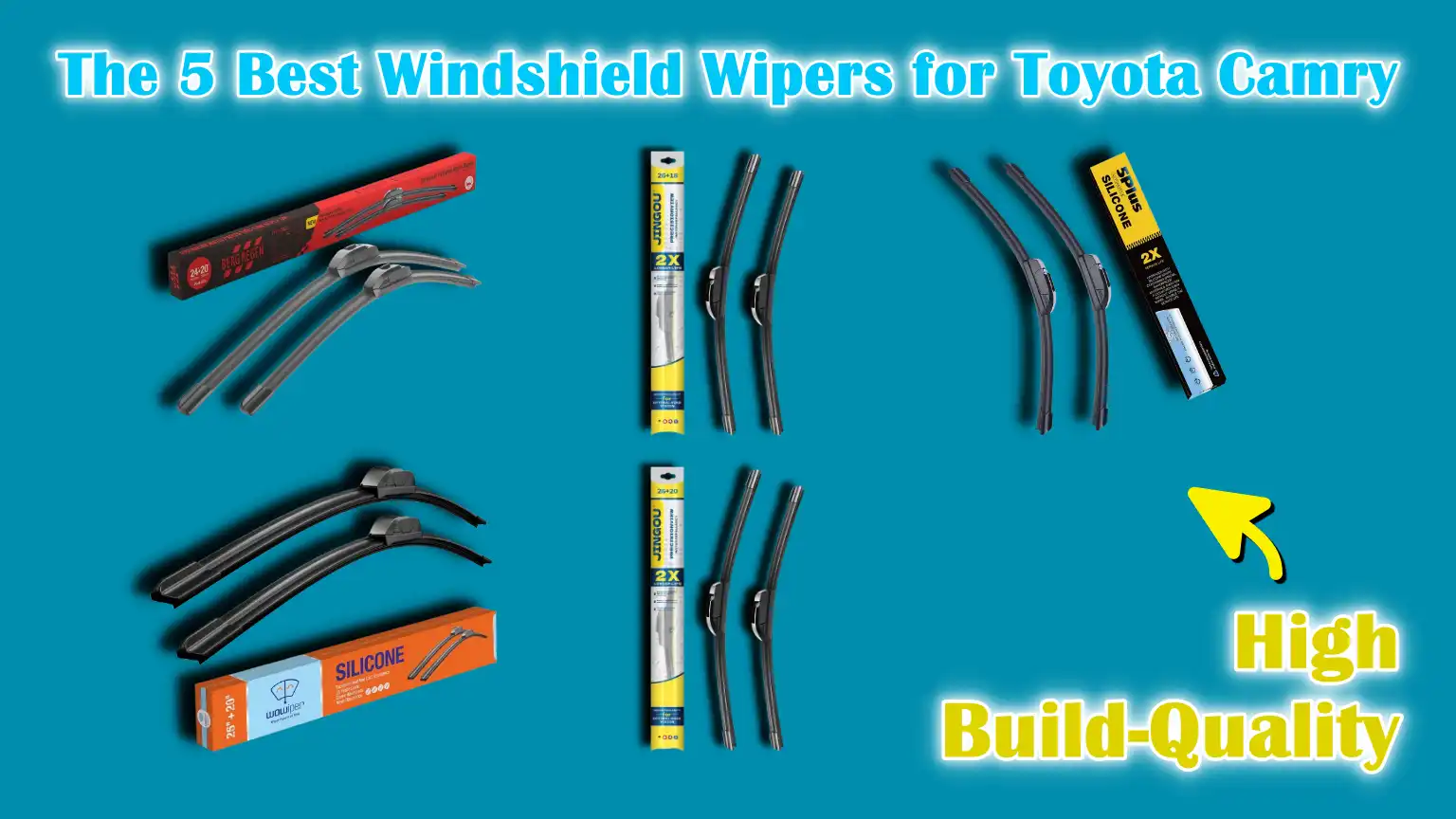
The 5 Best Windshield Wipers for Toyota Camry – Truly Durable In Many Ways
The custom fitment is the one of the most important thing to consider in the Windshield Wipers for Toyota Camry, otherwise if there’s a tons of features it won’t matter if they won’t fit perfectly, which is why we have listed specifically designed Toyota Camry wipers that you can easily install it on your Camry.
#1. BERG REGEN

The BERG REGEN is the popular windshield wiper manufacturer which is known for strong wiping performance and long life as well.
As well as, it uses a premium rubber and high-quality frame that tends to deliver smooth operation, streak-free wipes and most importantly it can work in all weather and seasons, so that you can consistently get clear vision no matter how rude the weather becomes.
It comes with 24 inch + 20 inch sizes that is why it becomes perfectly compatible with 2007 to 2011 Toyota Camry.
Even aerodynamic shape make them to wipe quietly even at highway speeds.
#2. JINGOU

Now, JINGOU comes with this highly protective windshield wiper for 2012 to 2017 Toyota Camry, as the blade sizes are: 26 inch + 18 inch, which is why these are truly suitable for specific Camry models.
As well as, the material is treated to shed water and reduces sticking in cold weather, which actually helps it to stay flexible in a all-weather conditions.
Also, it gives high service life, as you can quietly use them to eliminate the rain blocking the line of sight, in that way it ensures a clear vision.
#3. 5 PLUS

So, this windshield wiper is comes in dimension of 26 inch + 18 inch, which makes them truly compatible with 2012 to 2017 Toyota Camry models.
Not only this, it offers a steady pressure across the windshield and even it resists debris to build-up.
Plus, it is made of durable silicone material that is why it resists UV, ozone and extreme temperatures and this quality actually makes them durable and highly compatible in various seasons.
#4. WOWIPER

WOWIPER comes with this all-weather windshield wiper for Toyota Camry; and the 26 inch + 20 inch wiper sizes makes them comfortably fitment with 2018 to 2023 Toyota Camry models.
Even it uses silicone material that helps to beads of water roll off the windshield and even it can significantly extend the service life as silicone actually resists drying out and cracking from the sunlight as well.
Along with this, it has true aerodynamic shape that allows you to use them even at the high speeds and in all-weather conditions without any kind of lift.
#5. JINGOU

Again, this windshield wiper is designed by JINGOU, the design and dimension of 26 inch + 20 inch wipers makes them compatible with 2018 to 2021 Camry models quiet effortlessly.
Also, to achieve smooth, clean wiping effect it uses high quality rubber materials that improves driving visibility and safety as well.
Furthermore, it resists to a variety of hot and cold weather conditions, which is why it ensure the best wipe quality, long service life.
Now, Let’s Understand Toyota Camry Windshield Wipers
Windshield wipers are simple but essential devices that work by moving a rubber blade across the glass to remove water, dirt, snow and debris, giving the driver a clear and unobstructed view of the road.
They are powered by a motor and linkage system that controls the speed and pressure of the wiper arms, ensuring the blades remain in contact with the windshield surface.
The Toyota Camry’s windshield design is curved and aerodynamic, meaning the wipers must match the shape and length of the glass to ensure a smooth clean without streaks or missed areas.
This is why windshield wipers are vehicle-specific.
Even an inch too long or short of a blade can cause poor cleaning, uneven pressure, or interference with the opposite wiper.
1. OEM vs Aftermarket Wipers for Toyota Camry
OEM wipers, or original equipment manufacturer wipers, are the exact same wipers that Toyota installs at the factory.
These are specifically designed for the Camry’s windshield curve, arm type and pressure distribution pattern.
OEM wipers offer reliable performance and a precise fit, but they are typically more expensive and can wear out just as quickly as standard rubber blades.
Aftermarket wipers, on the other hand, are available in various brands and materials, such as silicone, graphite-coated rubber and hybrid designs, which can offer longer lifespans, quieter movements and improved durability in harsh weather.
Reputable aftermarket brands often offer aerodynamic beam-style wipers that maintain constant pressure, which is specially useful on the Camry’s sloping windshield.
Both types can perform well, but the choice depends on budget, driving environment and personal preference.
2. Why Wiper Compatibility and Performance Matter to Camry Owners
Choosing the right wipers for your Toyota Camry is important because proper compatibility ensures complete windshield coverage, smooth operation and long-term glass protection.
When wipers aren’t the right size or design, they can leave marks that block vision, create distracting noise, or even scratch the windshield over time.
Performance also matters because high-quality blades can improve visibility during heavy rain by clearing more water each time and preventing wear and tear from heat, UV rays and dust.
A suitable wiper also reduces strain on the wiper motor, making it last longer.
For Camry owners who drive daily or in changing weather, reliable wipers can make a significant difference in safety, comfort and driving confidence.
What are The Toyota Camry Wiper Blade Sizes by Model Year
1. Description of Wiper Blade Sizes for Different Camry Generations
For the Toyota Camry, wiper blade lengths vary depending on the model year and windshield design.
For example, older models up to about 2011 often use one size on the driver’s side and a smaller size on the passenger’s side.
In more recent generations like 2018 to 2024, sizes are standardized on both sides or vary slightly depending on the region and trim.
According to the wiper size guide, you can select your model year and get the exact length for the driver’s and passenger’s sides.
Choosing the correct size ensures that the blade covers the entire windshield area and avoids mismatches.
2. The Importance of the Correct Size for Effective Wiping and Motor Protection
Choosing the correct wiper blade size is important because a blade that is too short will cover a portion of the windshield, reducing visibility.
A blade that’s too long can overlap or impinge on the wiper motor cover or other blades, increasing wear or damaging the mechanism.
The wrong length also means the wiper arm can exert uneven pressure, causing streaks or missed spots.
Furthermore, if the blade doesn’t match the curvature of the Camry’s windshield or the geometry of the arm, the motor may have to work harder or the blade may break, reducing the lifespan of both the blade and motor.
By matching the recommended size, you ensure better performance during high speeds, rain, or snow and extend the lifespan of both the blade and wiper system.
3. How to Manually Measure and Verify Wiper Size
To manually verify the correct size, you can lift the wiper arm away from the windshield and access the blade.
Measure the length of the rubber wiping edge from one end to the other in inches or centimeters.
Compare this measurement to a reliable size chart in your Camry’s model year or vehicle’s user manual.
If the blade is different from the driver’s side blade, measure the passenger’s side blade as well.
If you can’t find the original size, measure the entire length of the installed blade instead of guessing.
After measuring, choose a new blade that matches the length on both sides or matches the size provided in the size guide.
Make sure the new blade fits easily on the wiper arm and rotates properly on the windshield without leaving any gaps.
Checking the size before purchasing can help prevent purchasing the wrong new blade and maintain good visibility and wiper system health.
What are the Types of Windshield Wipers Suitable for the Toyota Camry
1. Traditional Frame Wipers
Traditional frame wipers are a classic design that most drivers recognize.
They consist of a metal frame with multiple pressure points that press the rubber blades to the windshield.
These wipers are affordable, readily available and suitable for everyday driving in a Toyota Camry.
Their structure allows the blades to bend slightly to conform to the curve of the windshield, ensuring smooth wiper cleaning even in light to moderate rain.
However, due to the many moving joints in the frame, dirt and snow can sometimes become trapped, causing the wiper to clean unevenly over time.
These are a practical option for drivers in mild climates or those who want a simple and economical option.
2. Beam/Bracketless Wipers
Beam wipers are a more modern style made from one continuous curved piece without any external hinges or frames.
This design allows the blades to apply even pressure across the entire surface of the Camry’s windshield, which is specially useful as newer Camry models have a more aerodynamic and sloping glass shape.
Beam blades perform well in heavy rain, strong winds and icy conditions because they have no exposed joints that can freeze or jam.
Their flexible spine and advanced rubber material also help them last longer.
For drivers looking for high-performance, quiet wipers and strong contact in harsh weather, beam wipers are often the best choice.
3. Hybrid Wipers
Hybrid wipers combine the benefits of both traditional and beam designs.
They use a solid aerodynamic outer shell to protect the inner frame, allowing them to apply steady pressure like beam wipers while maintaining the durability and structure of traditional wipers.
This makes them effective for Toyota Camry owners who face mixed weather conditions such as light rain, dust and occasional winter frost.
They offer smoother movement and better resistance to wind turbulence than standard frame wipers, helping maintain clear visibility during high-speed or highway driving.
Hybrid wipers are a balanced option for drivers who want durability, reliability and improved performance without the high price of premium beam wipers.
4. Which Type Performs Best for a Camry
The best wiper type for a Toyota Camry depends on local climate and driving habits.
Beam wipers generally provide the most consistent performance because they maintain firm pressure on the Camry’s curved windshield and prevent weather-related problems like freezing or clogging.
They are ideal for areas with heavy rain, frequent snowfall, or high-speed highway driving.
Hybrid wipers are suitable for areas with mixed weather where drivers desire a combination of durability, longevity and smooth operation.
Traditional wipers remain a wise choice for drivers in dry or mild climates who want a budget-friendly option that provides reliable cleaning for everyday use.
In short, the right wiper type ensures better vision, safer driving and long-lasting performance for any Camry model.
How to Replace Toyota Camry Windshield Wipers
Replacing Toyota Camry windshield wipers is a simple task that most drivers can do themselves and understanding the correct steps helps prevent glass damage and ensure the new blades function properly.
First, lift the wiper arm off the windshield until it’s straight.
This releases the blade and gives you room to work without touching the glass.
Locate the small release tab or clip connecting the blade to the wiper arm; gently press or slide it while pulling down to detach the blade.
After removing the old blade, attach the new blade’s connector to the hook or pin on the Camry’s wiper arm, then press it in until you hear a sharp click.
Carefully place the arm on the windshield to prevent the metal arm from falling off, as this could scratch or break the glass.
After installation, run the wipers briefly with washer fluid to ensure they move smoothly and clean the windshield without streaks or noise.
Ensure both blades sit evenly on the windshield and are on a curved surface without protruding from the edges.
If the new blades break or slip, replace them or ensure the connector is fully locked.
1. Tips to Avoid Scratches and Ensure Proper Alignment
A common mistake when replacing wipers is allowing the bare metal arm to fall onto the windshield, which can cause deep scratches or chips.
After removing the old blade, always hold the arm firmly and lower it slowly.
Carefully install the new blade so that the rubber edge is flat on the glass, as misalignment can hinder cleaning and cause premature wear.
If there is any dirt or sticky residue on your Camry’s windshield, clean the glass before testing the new wipers; This helps prevent streaks and improve wiping speed.
It’s also helpful to clean the wiper arm itself to ensure no debris is obstructing pressure or speed.
2. How Often to Replace Toyota Camry Wipers
Most Toyota Camry windshield wipers need to be replaced every six to twelve months, depending on how often you drive and the weather in your area.
Warm and sunny weather can cause the rubber to dry out quickly, while rainy or snowy conditions can cause the blade edge to wear out faster.
Streaks in the rubber, missing parts, squeaking sounds, or visible cracks are signs that you need new wipers.
Inspecting the blades every few months can help you detect problems early and maintain clear visibility year-round.
Regular replacement not only improves safety, but also reduces strain on the wiper motor and helps protect the windshield from scratches caused by worn or hardened rubber.
How to Maintain Windshield Wipers for Toyota Camry

1. Regularly Cleaning of the Blades and Windshield
One of the easiest ways to extend the life of your Toyota Camry’s windshield wipers is regular cleaning.
Dust, pollen, road grime and oil residue can accumulate on both the blades and the windshield surface, causing streaks and reducing the blades’ smooth glide.
Cleaning the blades once every one to two weeks with a soft cloth and mild soapy water removes accumulated dirt and restores the rubber’s elasticity.
Wiping in a single direction prevents the blade edges from bending or damaging.
Cleaning the windshield with glass cleaner also reduces friction during each wipe and prevents debris from scratching the glass.
A clean windshield helps the wipers maintain even contact, improving wiping performance and reducing strain on the wiper motor.
2. Avoid Sunlight and Extreme Cold
Weather conditions greatly affect the lifespan of wipers.
Constant exposure to direct sunlight can dry out, crack, or harden the rubber, weakening it.
Parking your Camry in a shaded area, garage, or using a windshield sunshade can keep the wipers cool and slow their aging process.
Extreme cold can also harden the rubber, causing a cracking sound and reducing the blades’ ability to glide across the windshield’s surface.
If your blades get stuck to the windshield in winter, gently pry the glass off instead of trying to force the wipers open, as pulling them could tear the rubber or bend the wiper arm.
Taking a few simple precautions in summer and winter keeps the blades flexible and prevents premature wear.
3. Know When to Check for Streaking, Slipping, or Noise
Knowing when to inspect your wipers helps you detect problems before they affect visibility.
Ridges often indicate that the rubber edge has become uneven or contaminated with dirt.
Slipping can occur when the blade doesn’t make full contact with the curved windshield, possibly due to hardened rubber or worn pressure points.
A crackling or squeaking sound may indicate that the blade has dried out, become dirty, or is losing flexibility.
These symptoms usually appear after months of use, specially if the car is regularly exposed to strong sunlight, dusty roads, or heavy rain.
Inspect your wipers once a month and clean them as needed to keep them working properly and alert you when they need replacing.
Regular maintenance not only improves visibility but also helps the wiper mechanism run smoothly for a longer period of time.
Read More:
What are The Common Problems of Toyota Camry Windshield Wipers and Their Solutions
1. Causes of Poor Wiping Performance
Poor wiping performance on a Toyota Camry can be caused by several reasons, the most common being worn rubber.
Over time, the rubber edge of the blade dries out, cracks, or becomes uneven, preventing it from making full contact with the windshield.
Dirt on the blade or glass can also interfere with the wiping process, causing streaks or smudges.
In some cases, heavy snowfall, improper lifting, or the pressure of an automatic car wash can cause the wiper arm to bend slightly, changing the angle at which the blade meets the glass.
When the arm cannot apply equal pressure across the entire length of the blade, it can cause some areas to be missed and reduce visibility.
Even new blades can perform poorly if they are not sized correctly or the connector doesn’t lock properly.
2. What to do if wipers creak, crack, or leave streaks
Squeaks or cracks typically occur when the blades move across the windshield without sufficient lubrication or flexibility, often due to a dirty or dry glass surface.
Cleaning both the windshield and the rubber edge with a mild cleaner can quickly resolve this problem.
If streaks persist even after cleaning, the blade may be worn, cracked, or stiff and replacing it is usually the easiest solution.
When a wiper slips on a part of the windshield, it may indicate uneven pressure due to a bent arm.
Gently returning the wiper arm to its natural position can sometimes restore proper contact, but you must do this carefully to avoid damaging the mechanism.
In Camry models designed for cold climates, cracks may occur even when the blades are stiff, so gradually warming the windshield may help restore smooth movement.
3. When to Replace vs When to Repair
Replacing the rubber blade is recommended when visible damage occurs, such as cracks, tears, missing pieces, or a rough texture.
If the blade has passed its normal lifespan (six to twelve months), replacing it is usually more cost-effective than attempting to repair it.
However, minor problems such as dirt buildup, dried residue, or light streaks can often be corrected by a thorough cleaning.
If the wiper arm is slightly bent, careful adjustment may restore normal performance, but if the arm is severely bent or loose, arm repair or replacement is necessary.
If the wiper still fails to clean properly after cleaning, alignment checks and adjustments, it is a clear sign that the blade or arm needs to be replaced to maintain safe visibility.
Knowing when to repair and when to replace helps keep your Toyota Camry’s windshield clean and the wiper system functioning smoothly.
OEM vs Aftermarket – Which is Better for the Camry?
1. Advantages and Disadvantages of OEM Wipers
OEM windshield wipers, also known as Original Equipment Manufacturer wipers, are the same type that Toyota installs on its Camry cars at the factory.
Their biggest advantage is their excellent compatibility, as they are specifically designed to suit the Camry’s windshield curve, wiper arm attachment style and pressure distribution pattern.
This ensures even and smooth wiping with minimal noise.
OEM blades are also tested for durability under Toyota’s quality standards, assuring drivers of optimal performance.
However, OEM wipers are often more expensive than standard aftermarket options and typically use standard rubber, which may not last as long as premium silicone or beam-style aftermarket blades.
Options are also limited because OEM blades typically come in only one design, while aftermarket brands offer multiple options for different climates.
As well as, CFD and wind-tunnel style studies actually shows that even small design tweaks to the blade or its spoiler actually lowers the lift and turbulence as well, which is why it result it to the fewer skipped spots and quieter wiping in windy conditions as well.[¹]
2. Advantages and Disadvantages of Aftermarket Wipers
Aftermarket wipers come from third-party manufacturers and are available in a variety of materials, structures and prices.
Many high-end aftermarket wipers use advanced materials such as silicone rubber, graphite coatings, or reinforced synthetic blends that last longer and perform better in harsh weather.
Beam-style aftermarket blades are particularly popular among Camry owners because they apply even pressure to the curved shape of the windshield and resist wind pressure at highway speeds.
The main advantage of aftermarket options is the ability to choose blades based on climate, budget and performance requirements.
However, quality varies across different brands and some cheaper models may not fit perfectly or wear out faster than OEM blades.
Choosing a reputable aftermarket brand is crucial to avoid problems related to poor alignment, premature wear, or noisy wiping.
3. Differences in Cost, Performance and Warranty
OEM wipers typically fall in the mid-to-high price range and their performance is consistently, but not necessarily better, than premium aftermarket options.
Aftermarket blades are available at a wide range of prices, from low-priced traditional frame blades to premium beam or silicone models, which can outperform OEM blades in inclement weather.
Warranty coverage also varies.
OEM wipers typically come with a basic warranty that covers manufacturing defects, while aftermarket brands often offer performance-based guarantees, such as a promise to prevent streaks or premature wear for a certain period.
Some silicone aftermarket blades last up to twice as long as standard OEM rubber blades, making them a better value over time for drivers in sunny or inclement weather.
4. Tips for Common Camry Drivers
For most Toyota Camry owners, high-quality aftermarket beam or hybrid blades offer the best balance of performance, durability and price.
These blades maintain strong contact with the Camry windshield, resist weather-related issues and often last longer than standard OEM blades.
However, drivers who prefer guaranteed fitment, factory-tested reliability, or the simplest replacement process can confidently choose OEM wipers.
In areas with heavy rain, snowfall, or high temperatures, premium aftermarket blades, such as beam or silicone models, are usually the better choice for clearer vision and longer service life.
The choice between OEM and aftermarket blades ultimately depends on driving conditions, budget and personal preference, but with careful selection and proper maintenance, both options can prove effective.
Conclusion – Best Windshield Wipers for Toyota Camry
The windshield wipers are actually not just to provide you comfort but it is a safety requirement to have properly cleaned windshield in all-seasons.
Because high-quality blades help keep the windshield free of streaks, water spots and road grime, improving reaction time and overall driving confidence.
Understanding the difference between OEM and aftermarket options, recognizing signs of wear and following a basic maintenance routine ensures wipers work smoothly for as long as possible.
Whether the driver prefers long-lasting silicone blades, performance-focused beam blades, or budget-friendly traditional models, the key is to choose a pair that suits the Camry’s size requirements and climate conditions.
When wipers begin to streak, crack, or slip, replacing them promptly prevents scratches on the windshield and restores proper visibility, which is why most experts recommend replacing them every six to twelve months, depending on the weather.
So, that’s it from this guide and if you still have any questions in mind, please ask them in the comment box.
Frequently Asked Questions
Q1. What size windshield wipers are needed for a Toyota Camry?
Answer: Toyota Camrys typically come with a 26-inch wiper on the driver’s side and an 18- or 17-inch wiper on the passenger’s side, depending on the model year. Some newer Camry models, if hybrid or with special trim features, also use smaller rear wipers. It’s always best to consult the owner’s manual or a reliable fitment chart, as using the wrong size can cause the blade to miss parts of the windshield or lift up in strong winds while driving.
Q2. How often should I change my Toyota Camry’s wipers?
Answer: Most experts recommend replacing windshield wipers every six to twelve months because heat, sun, rain, dust and dirt naturally wear down the rubber. If you live in a very hot climate or area with heavy rainfall, the rubber may dry out or crack even faster, so you may need to replace them sooner. If the wipers start leaving marks, sliding on the glass, or making squeaking noises, these are strong signs that they need to be replaced, even if it hasn’t been a full six months.
Q3. Which type of wiper blade works best for a Toyota Camry?
Answer: The best wiper blades for a Toyota Camry depend on your driving conditions, but many Camry owners prefer beam blades because they provide a smoother contact, better pressure distribution and better performance in heavy rain. Silicone blades are also a good option because they last longer and leave a light waterproof layer. Traditional rubber blades also work well and are usually the cheapest option, making them ideal for drivers on a budget. Choosing a trusted brand with good durability often yields the best long-term results.
Q4. Can I install Camry wiper blades myself?
Answer: You can install new wiper blades on a Toyota Camry yourself and most people can complete the job in just a few minutes. Blades are usually attached with a simple hook or clip system and the replacement process involves removing the old blade from the arm, removing the locking tab and replacing it with a new blade. It’s important to handle the wiper arm carefully, as reinstalling it on the windshield without the blade can scratch or crack the glass.
Q5. Why do my Camry wipers make noises when running?
Answer: When wipers make creaking or clicking noises, it often means the rubber has hardened, the windshield is dirty, or the blade isn’t properly seated on the glass. Sometimes this noise is caused by simple dirt buildup, which you can fix by wiping the blade with mild soapy water and cleaning the windshield surface. If cleaning doesn’t help, the problem could be worn rubber or a bent wiper arm and replacing the blades usually fixes this problem immediately.
Q6. Why are my wipers leaving streaks on the windshield?
Answer: Streaks are usually caused by worn rubber, dirt buildup, or reduced blade flexibility. Over time, dust, pollen and small particles accumulate between the windshield and the blade edge, preventing smooth contact. If your Camry wipers still have streaks after cleaning them, it’s a sign that the blade edge is damaged or broken. Replacing the blades can remove streaks and restore clear visibility.
Q7. Are OEM wiper blades for Camry better than aftermarket wiper blades?
Answer: OEM blades are installed by Toyota at the factory and generally provide a reliable fit and good performance for everyday driving. However, aftermarket blades often offer better materials, higher wiping pressure and a longer lifespan, depending on the brand you choose. For most Camry owners, aftermarket options like beam-style or silicone blades offer better performance in heavy rain and last longer than standard OEM rubber. Your choice depends on whether you want a completely factory-like experience or better durability and value.
References:
[1] Numerical and Experimental Investigation of Wiper System Performance at High Speeds
https://www.jafmonline.net/article_482_d8191dcde751ae06abe6d02eec8064fc.pdf

Guys, I’m a car audio enthusiast and customization expert and I love clear sound and clean installation. Plus, I have spent years helping people build their dream audio setups. And whenever I’m working on cars, I probably listen to music and thinks about the next big upgrade.