
Written By: Don Dodi
Fact Checked By: Kristen Brown
Reviewed By: Diego Rosenberg
Replacement on time is really important, as it can improve visibility, reduces windshield wear and also it actually makes your driving safer in rain and dusty conditions.
These wipers comes with the aerodynamic design so to apply even pressure all across the glass, that helps it to minimize the streaks, skipping and noise as well; and because of that you can comfortably drive on the highway speeds.
Yes, it is also true that over the period of time, wiper blades gets affected by the heat, UV exposure, pollution and friction that gradually harden the rubber and reduce the wiping efficiency even if the blades look totally fine; which is why the maintenance and replacing them on time is important.
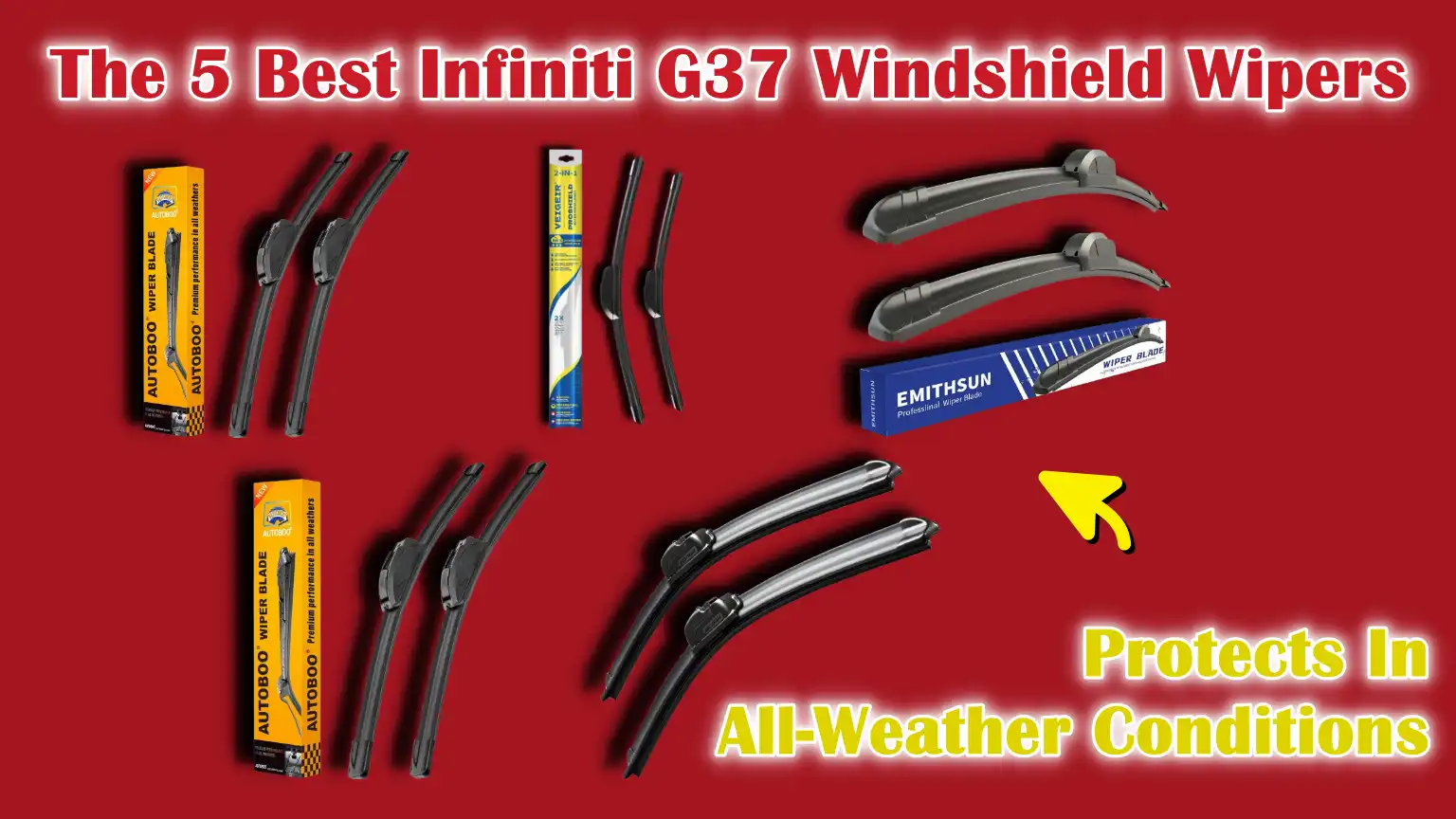
So, these are the 5 Best Infiniti G37 Windshield Wipers that provides the perfect fitment and maintains the clear visibility during rain, dust, fog and road sprays as well.
The 5 Best Infiniti G37 Windshield Wipers – Great Build Quality
So, these are the ultra-protective and ideally designed windshield wipers for Infiniti G37 that provides with noise-free performance and has aerodynamic construction that makes them truly suitable for high speed driving.
The driver blade size is 26 inches across all the Infiniti G37 models and years, but the difference is in passenger side blade: as 16 inches blade is suitable for Sedan and 17 inches for the Coupe and Convertible Versions of the Infiniti G37.
| Infiniti G37 Model Year | Model of G37 | Driver Side Blade | Passenger Side Blade |
|---|---|---|---|
| 2008 to 2013 | Sedan | 26 inches | 16 inches |
| 2008 to 2013 | Coupe | 26 inches | 17 inches |
| 2008 to 2013 | Convertible | 26 inches | 17 inches |
#1. AUTOBOO

Blade Size: 26 inch driver side + 16 inch passenger side
So, AUTOBOO comes with this lovely windshield wiper blades for 2008 to 2013 Infiniti G37 and it actually follow the windshield curve closely so they keep even pressure along the whole rubber edge, which actually gives a really smooth wipe.
The rubber blade is often treated or coated as it reduces friction and do help water bead and run off the glass faster, that improves visibility in heavy rain as well.
These are actually better water repellent and quiet as well, so that you can have chatter-free wiping on everyday drives.
#2. VEIGEIR

Blade Size: 26 inch driver side + 17 inch passenger side
Now, it is made of high quality material that are designed to last longer than ordinary blades and to push water away cleanly.
It supports Infiniti G37 from 2008 to 2013 and it comes with complete set of 3 blades: driver side windshield wipers and passenger side windshield wipers, plus rear wiper blades as well, so that the visibility won’t be problem at all.
#3. EMITHSUN

Blade Size: 26 inch driver side + 16 inch passenger side
Now, this EMITHSUN wiper blade are actually engineered to be easy to install and to follow the windshield shape closely, that gives steady contact and fewer streaks on your 2009 to 2013 G37’s windshield.
Even it is made of steel that ensures durability very well, also it perform well in rain and offers noise-free wiping experience.
They are actually made to withstand harsh weather conditions and repeated use, that means it ensures that you get the most out of this wipers.
#4. AUTOBOO
Blade Size: 26 inch driver side + 17 inch passenger side
Indeed, it is premium wiper blades that has durable base for ultimate stability and an Rubber & Stainless Steel, that means it keeps consistent contact across the windshield for clear visibility and even reduces lift in wind as well.
To smoothens the operation it is engineered with high-quality rubber, that offers a smooth, quiet operation without any squeaking voice.
Also, you can effortlessly install them, as it allows quick and hassle-free replacement that makes them easy to remove and clean for added convenience as well.
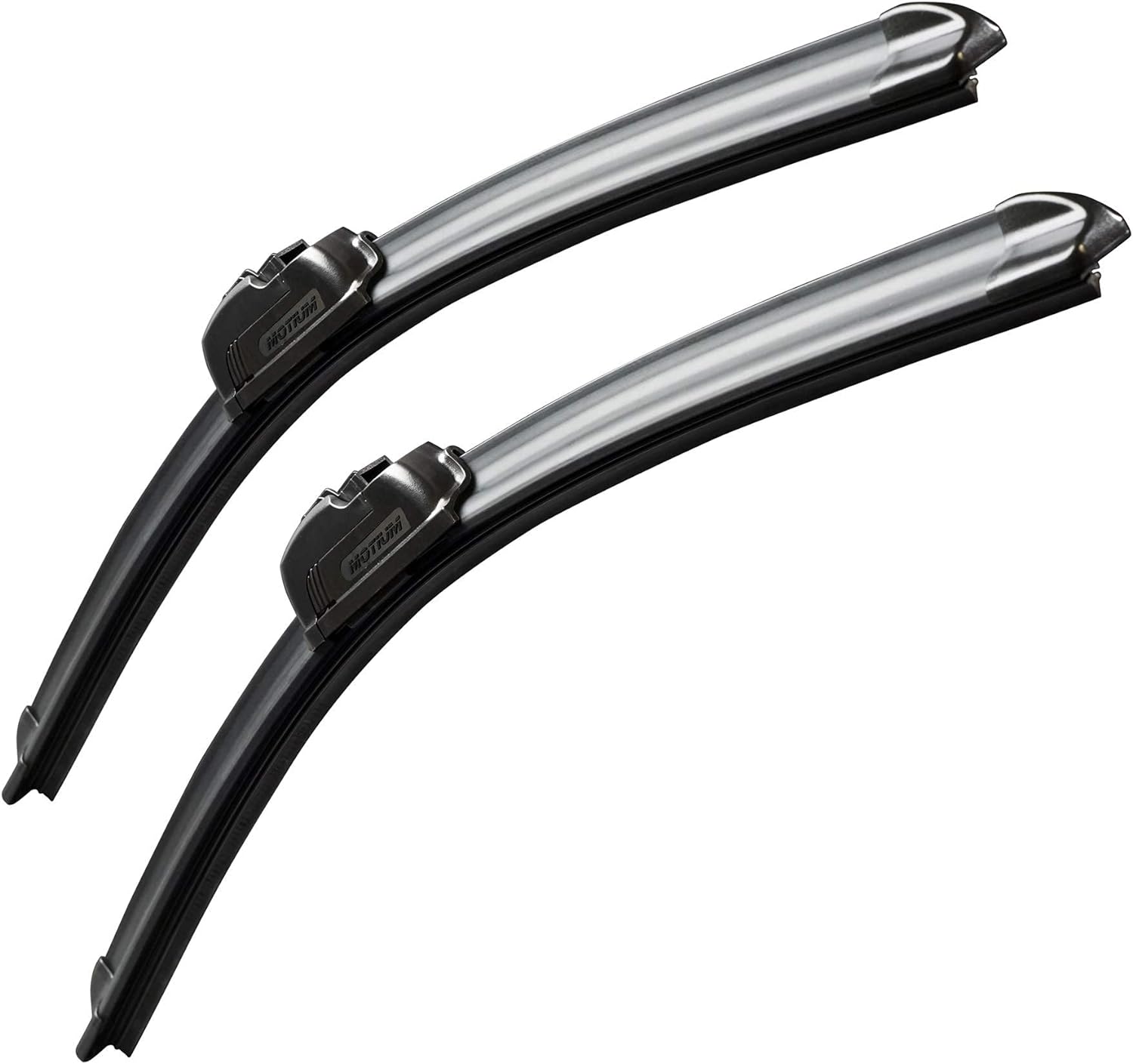
#5. MOTIUM
Blade Size: 26 inch driver side + 16 inch passenger side
Now, this is the window wiper blade for Infiniti G37 from 2009 to 2013 and it is designed by MOTIUM.
Yes, it is made of high-quality rubber blades that literally ensures efficient and streak-free wiping ability with steady pressure so your Infiniti G37 will always maintain clear vision on fast roads and during heavy rain as well.
Not only this, it is totally designed with aerodynamic way that reduces wind lift and gives you quiet operation and that actually means that it will provide reliable contact with the glass during drive.
Let’s Understand About the Infiniti G37 Windshield Wiper System
The Infiniti G37’s windshield wiper system is a carefully designed setup engineered to maintain clear visibility in rain, dust and road spray while driving at both low city speeds and higher highway speeds.
Every part of the system works together to ensure smooth, quiet and consistent wiping across the G37’s curved windshield.
Understanding how this system works helps owners identify early signs of wear, choose the correct replacement parts and maintain factory-level performance and safety.
1. Windshield Wiper System Components
The Infiniti G37 windshield wiper system consists of several interconnected components that function as a unit.
These include the wiper blades that clean the glass, the wiper arms that apply pressure, the motor that powers the movement, the linkage that controls the motion and the washer system that supplies cleaning fluid.
If even one component wears out or becomes misaligned, wiping performance can be compromised, leading to streaking, noise, or reduced visibility.
Wiper Blades
The wiper blades are the parts that come into direct contact with the windshield and are responsible for removing water, dirt and debris.
In the Infiniti G37, the blades are designed to closely follow the curve of the windshield to ensure even pressure distribution from one end to the other.
Over time, the rubber edge can harden or crack due to heat, sunlight, pollution and friction, reducing cleaning effectiveness even if the blades still appear normal.
Worn blades are the most common cause of streaking and intermittent wiping.
Wiper Arms
The wiper arms hold the blades in place and press them against the windshield with controlled spring tension.
In the Infiniti G37, the arms are shaped to maintain constant contact with the glass and compliments wind pressure at higher speeds.
If a wiper arm is bent, weakened, or corroded, the blade will not apply even pressure to the windshield, resulting in missed spots or chattering.
Healthy wiper arms are just as important as good blades.
Wiper Motor
The wiper motor is the electric unit that powers the entire system.
It controls the speed and force of the wiping action, including intermittent, low-speed and high-speed settings.
The Infiniti G37 wiper motor is designed for smooth and consistent movement, but over time, they can weaken due to age, exposure to moisture, or electrical wear.
A failing motor can cause the wipers to move slowly, have uneven speed, or stop working altogether.
Linkage and Transmission
The linkage and transmission connect the wiper motor to the wiper arms and translate the motor’s rotation into a sweeping motion across the windshield.
In the Infiniti G37, this mechanism is precisely balanced to ensure both wipers move in unison and cover the correct wiping area.
Wear in the linkage can lead to erratic movement, chattering noises, or the wipers stopping in the wrong position.
Washer System Integration
The washer system works in conjunction with the wipers to remove stubborn dirt, dried dust and road film.
The washer nozzles spray cleaning fluid onto the windshield just before or during wiping, allowing the blades to glide smoothly and clean more effectively.
In the Infiniti G37, proper washer fluid flow helps reduce blade wear and prevents scratching caused by dry wiping.
Clogged nozzles or low-quality washer fluid can impair cleaning performance.
2. Front vs Rear Wipers – If Applicable to the Model
Most Infiniti G37 sedan and coupe models only have front windshield wipers, as the rear window design does not require a rear wiper.
Convertible variants may have different rear visibility solutions depending on the roof design.
Knowing whether a particular G37 model includes rear wiping components helps avoid confusion when purchasing replacement parts or performing maintenance.
3. Factory Engineering and Design Philosophy
Infiniti engineered the G37 windshield wiper system with a focus on quiet operation, good visibility and durability in real-world driving conditions.
The aerodynamic shape helps reduce wind noise and blade lift at high speeds, while balanced pressure distribution improves wiping accuracy.
This factory design philosophy ensures the system performs reliably in various weather and road conditions, maintaining the premium driving experience expected of the Infiniti G37.
What are The Ideal Size and Fitment of Infiniti G37 Windshield Wipers
Choosing the correct windshield wiper size for your Infiniti G37 is crucial for safe driving and proper visibility.
Wiper blades that are too long can hit the edges of the windshield or overlap each other, while blades that are too short leave large uncleared areas, reducing visibility during rain.
Infiniti designed the G37 windshield with a specific curve and width and the wiper sizes are carefully matched to this shape to ensure water is cleared evenly and efficiently across the entire glass.
1. Front Windshield Wiper Blade Size
The Infiniti G37 utilizes two different blade lengths on the front windshield to efficiently cover the glass.
This unequal sizing allows the blades to clear a larger area without interfering with each other.
The correct front wiper size helps maintain smooth movement, reduces strain on the motor and prevents skipping or streaking caused by poor contact with the windshield surface.
Driver Side Blade Size
The driver’s side wiper blade on the Infiniti G37 is the longer of the two because it is responsible for clearing the primary viewing area directly in front of the driver.
Most Infiniti G37 models use a 26-inch driver’s side blade.
This length ensures maximum visibility in the most critical area, specially during heavy rain or highway driving.
Using a shorter blade on the driver’s side can leave streaks of water in the driver’s line of sight.
Passenger Side Blade Size
The passenger side wiper blade is slightly shorter to match the curve of the windshield and prevent overlap with the driver’s side blade.
Most Infiniti G37 models utilize a 17-inch passenger-side blade.
This size allows the blade to efficiently clear the windshield without interfering with the longer driver-side blade, resulting in smooth and quiet operation of the system.
2. Model Year Variations – 2008 to 2013
For most Infiniti G37 model years from 2008 to 2013, the front windshield wiper sizes remain consistent.
However, minor design changes, trim updates, or factory modifications can affect blade fitment.
For this reason, it’s always recommended to verify the blade size using your vehicle’s owner’s manual or a reliable fitment guide before purchasing replacements, specially for later model years or specific trims.
3. Sedan vs Coupe vs Convertible Differences
The Infiniti G37 sedan, coupe and convertible share a similar front windshield design, meaning the wiper blade sizes are generally the same across all body styles.
However, differences in windshield angle and roof design can slightly affect how the blades sit on the glass.
In convertible models, in particular, the windshield shape may differ, making the correct blade flexibility and curvature even more crucial for consistent wiping.
4. Importance of Correct Blade Length and Curvature
For optimal performance on the Infiniti G37, simply having the correct blade length isn’t enough.
The blade must also have the correct curvature and flexibility to properly conform to the windshield’s shape.
A blade with incorrect curvature can apply too much pressure in some areas and too little in others, leading to streaking, noise, or missed spots.
Choosing blades that match both the specified length and curvature for the Infiniti G37 ensures even pressure distribution, quiet operation, longer blade life and clear visibility in all weather conditions.
What are The OEM Infiniti G37 Windshield Wipers
OEM windshield wipers for the Infiniti G37 are factory-installed blades designed to match the vehicle’s windshield shape, wiper arms and driving characteristics.
These wipers are built to meet Infiniti’s original performance standards for visibility, noise control and durability.
Understanding how OEM wipers are constructed and how they perform helps owners decide whether to stick with factory replacements or consider aftermarket options.
1. Factory-Installed Wiper Blade Specifications
Infiniti G37 OEM windshield wipers are engineered to fit the precise blade length, mounting style and pressure requirements specified by the manufacturer.
They are designed to align perfectly with the wiper arms and closely follow the curve of the windshield, ensuring smooth and even wiping across the glass.
Factory specifications focus on balanced pressure distribution, the correct sweep angle and reliable performance in typical rain and driving conditions.
2. Materials Used in OEM Blades – Rubber vs Treated Rubber
Most OEM Infiniti G37 wiper blades utilize high-quality natural rubber or a specially treated rubber compound.
Treated rubber blades feature a coating to reduce friction between the blade and the windshield, resulting in smoother movement and less noise.
These materials are chosen to maintain flexibility across a wide range of temperatures, although prolonged exposure to heat, sunlight and pollution can gradually cause hardening over time.
3. Aerodynamic Design Features
The OEM Infiniti G37 windshield wipers feature built-in aerodynamic characteristics that help keep the blades firmly pressed against the windshield at high speeds.
The shape of the blade and frame minimizes wind lift, which is common when driving at highway speeds.
This aerodynamic design improves wiping consistency, reduces chatter and helps maintain clear visibility even during heavy rain or strong winds.
4. Advantages of OEM Windshield Wipers
One of the main advantages of OEM windshield wipers is guaranteed compatibility.
They fit perfectly without any modifications and perform as intended by the vehicle’s engineers.
When new, OEM blades typically operate quietly and provide consistent wiping.
For drivers who want factory-level performance and minimal installation hassle, OEM wipers offer a reliable and predictable solution.
5. Limitations and Cost Considerations
Despite their quality, OEM Infiniti G37 windshield wipers also have some limitations.
They are often more expensive than many aftermarket options and may not last as long in harsh weather conditions.
OEM blades also offer fewer options in terms of advanced materials, such as silicone-based designs, which some aftermarket brands provide.
For drivers who frequently drive in inclement weather or who prefer longer replacement intervals, cost and durability can be important factors to consider.
What are The Factors Affects Performance of Infiniti Q37 Windshield Wipers
In the Infiniti G37, windshield wiper performance directly impacts how clearly the driver can see the road in various weather conditions.
Good wiper performance isn’t just about removing water, but about doing so smoothly, quietly and consistently at all driving speeds.
Several key factors determine how well wipers perform and understanding these factors helps drivers choose better blades and recognize when replacement is needed.
1. Wiping Efficiency and Streak Prevention
Wiping efficiency refers to how well the wiper blades remove water, dirt and road film in a single pass.
In the Infiniti G37, efficient wiping depends on flexible rubber edges that maintain full contact with the windshield.
When blades lose their flexibility due to heat, age, or dirt buildup, they begin to leave streaks or smears.
Clean glass and properly sized blades help prevent streaking and ensure clear visibility during rain and when using washer fluid.
2. Noise Reduction Technology
Noise from windshield wipers is typically caused by uneven movement, excessive friction, or poor contact between the blade and the glass.
The Infiniti G37 wiper system is designed to minimize noise using smooth rubber compounds and aerodynamic blade shapes.
When the blades glide evenly across the windshield, they produce less chatter or squeaking.
Proper installation and regular cleaning of both the blades and the windshield also play a significant role in keeping operation quiet.
3. Resistance to Air Pressure at Highway Speeds
At higher driving speeds, airflow can exert pressure on the wiper blades and lift them slightly off the windshield.
This air pressure reduces the effectiveness of the wiping action and can cause skipping or chattering.
The Infiniti G37 wipers are designed to compliment this effect by shaping the blades to direct airflow downward, keeping the blades firmly against the glass.
This design is particularly important during highway driving in heavy rain, where consistent contact is crucial for safe visibility.
4. Pressure Distribution on the Windshield
Even pressure distribution across the windshield ensures that every part of the blade wipes uniformly from one end to the other.
In the Infiniti G37, the wiper arm and blade design work together to apply balanced pressure along the entire length of the blade.
Uneven pressure can lead to missed spots, noisy operation, or premature blade wear.
Proper pressure distribution also helps protect the windshield from uneven wear or scratching.
5. Performance in Heavy Rain, Fog and Light Drizzle
Different weather conditions place varying demands on windshield wipers.
In heavy rain, the blades must quickly clear large amounts of water without lifting or chattering.
In light drizzle or fog, a smooth and controlled movement is necessary to prevent streaking.
The Infiniti G37 wipers are designed to handle these conditions, maintaining consistent contact and smooth movement, providing the driver with clear visibility whether the precipitation is light, continuous, or heavy.
How to Reduce Windshield Wiper Noise in the Infiniti G37
Windshield wiper noise in the Infiniti G37 is more than just an annoyance; it often indicates that the blades are not functioning correctly.
Squeaking, chattering, or intermittent noise usually signals poor contact between the blades and the windshield, which can compromise visibility.
Because the G37 is designed as a premium sports sedan, Infiniti places a strong emphasis on quiet and smooth wiper operation, specially at higher driving speeds.
1. Common Causes of Windshield Wiper Noise
Wiper noise is most commonly caused by worn or hardened rubber blades that no longer glide smoothly across the glass.
Dirt, dust and road grime on the windshield can also increase friction and cause squeaking.
Incorrect blade size, bent wiper arms, or uneven pressure can lead to chattering or vibration.
Dry wiping, which occurs when the blades move across a dry or nearly dry windshield, is another common cause of noise.
2. The Role of Blade Material in Noise Reduction
The material used in windshield wiper blades plays a significant role in how quietly they operate.
Standard rubber blades can harden over time, specially in hot climates, leading to increased noise.
Higher-quality rubber and treated rubber compounds remain more flexible, allowing the blade edge to maintain smooth contact with the glass.
Flexible materials help minimize sudden jerks or stops that can cause loud wiping noises.
3. Aerodynamic Spoilers and Wind Noise Control
Many Infiniti G37 windshield wiper blades incorporate aerodynamic spoilers into the blade design itself.
These spoilers use airflow to push the blades down onto the windshield at higher speeds.
This added pressure reduces lift and vibration, which are common causes of noise at highway speeds.
The correct aerodynamic shape helps keep the wiping action smooth and quiet, even at high speeds and in windy conditions.
4. Friction-Reducing Coating
Some windshield wiper blades utilize a special coating on the rubber edge to reduce friction between the blade and the glass.
These coatings help the blades glide more easily, resulting in less noise and a more consistent wipe.
Reduced friction also means less wear on both the blades and the windshield, which can extend the life of the blades and ensure quiet performance for longer.
5. Comparing Quiet OEM vs Aftermarket Blades
OEM Infiniti G37 windshield wipers are designed to provide balanced, low-noise operation under normal driving conditions.
They offer a perfect fit and typically operate quietly when new.
However, some high-quality aftermarket blades utilize advanced materials and coatings that can offer even quieter performance and longer-lasting noise reduction.
The choice between OEM and aftermarket options depends on driving conditions, weather and how important long-term quiet operation is to the driver.
How to Ensure All-Weather and Climate Performance of Infinit G37 Windshield Wipers
Weather and climate significantly impact how the Infiniti G37’s windshield wipers perform over time.
Different conditions place varying stresses on the wiper blades, rubber material and the entire wiping system.
Understanding how the wipers behave in rain, dust, heat and cold helps drivers choose the right blades and maintain clear visibility year-round.
1. Performance in Heavy Rain Conditions
In heavy rain, windshield wipers must quickly and consistently remove large amounts of water.
The Infiniti G37 wipers are designed to maintain constant contact with the windshield to ensure water is removed without streaking or smearing.
Proper blade flexibility and strong arm pressure are crucial in these conditions.
Worn blades do not perform effectively in heavy rain and often leave streaks, which can reduce visibility, specially at higher speeds.
2. Dealing with Dust and Pollution
Dust, sand and airborne pollutants can accumulate on the windshield, forming a thin film that reduces wiping effectiveness.
When the wipers move across this film, they can spread the dirt rather than remove it.
For the Infiniti G37, regular windshield cleaning and the use of appropriate washer fluid are essential for dealing with dusty conditions.
Dirty blades can also wear out faster and increase the risk of scratching the windshield if not cleaned regularly.
3. Rubber Degradation in Hot Weather
High temperatures and intense sunlight accelerate the degradation of the wiper blade rubber.
In hot weather, the rubber can dry out, harden and crack, reducing its ability to maintain proper contact with the windshield.
Infiniti G37 owners in hot climates may experience faster blade wear due to exposure to heat and UV rays.
Parking in shaded areas and replacing the blades more frequently can help maintain optimal performance.
4. Cold Weather and Winter Performance
Cold weather affects windshield wipers because it makes the rubber less flexible.
When temperatures drop, stiff blades can jam or become noisy as they are unable to easily conform to the curves of the windshield.
Infiniti G37 wipers are designed to handle moderate cold, but older blades lose their flexibility more quickly.
Using high-quality blades and winter-appropriate washer fluid helps maintain visibility in low temperatures.
5. Snow, Ice and Freezing Conditions
Snow and ice put extra strain on the windshield wiper and motor system.
Ice buildup can prevent the blades from moving freely and frozen rubber can tear if used without proper defrosting.
Infiniti G37 drivers should always remove snow and ice from the windshield before operating the wipers.
Allowing the windshield to warm up and using the defroster minimizes damage to the blades and makes winter driving safer.
Read More:
Understand About Infiniti G37 Windshield Wiper Arm and Pressure Mechanics
In the Infiniti G37, the windshield wiper arms play a crucial role in how effectively the wipers clean the glass.
While much attention is given to the wiper blades, the arms are responsible for holding the blades in the correct position and applying the right amount of pressure.
Proper arm tension and alignment ensure smooth wiping, clear visibility and reduced noise in all driving conditions.
1. Wiper Arm Spring Tension
The wiper arm spring tension is what presses the blade against the windshield.
In the Infiniti G37, this tension is carefully set at the factory to provide sufficient force to clear water without damaging the glass.
Over time, the internal spring can weaken due to age, corrosion, or repeated use.
When the spring tension is too low, the blade may lift slightly and leave streaks, specially at higher speeds.
2. Contact Pressure Balance
Balanced contact pressure means the wiper blade applies even pressure along its entire length.
This consistent pressure allows the blade to follow the curve of the windshield and wipe smoothly from one edge to the other.
In the Infiniti G37, proper pressure balance helps prevent skipping, chattering and uneven wear.
If the pressure is uneven, some parts of the blade may apply too much pressure while others barely touch the glass, reducing wiping effectiveness.
3. Effects of Worn or Bent Wiper Arms
Wiper arms can become bent due to improper blade removal, ice buildup, or impact with an object.
A bent arm alters the angle at which the blade contacts the windshield, leading to poor contact and noisy operation.
Worn-out arm joints can also cause looseness, leading to vibrations or uneven wiping.
In many cases, simply replacing the blades won’t fix these problems if the wiper arm itself is faulty.
4. Compatibility Between Blade Type and Arm Design
Not all windshield wiper blades work equally well with every wiper arm.
The Infiniti G37 uses a specific arm design that works best with blades designed to distribute pressure evenly.
Some blade types may be too rigid or too flexible, resulting in poor contact quality.
Choosing blades that are compatible with the G37’s wiper arm design helps ensure proper pressure, smooth movement and reliable visibility.
How to Ensure Compatibility with Windshield Washer System of Infiniti G37
The Infiniti G37’s windshield washer system works in conjunction with the wipers to keep the windshield clean and clear.
The wiper blades remove water and debris, while the washer system loosens dirt, dust, insects and road film, allowing the blades to clean the glass effectively.
Proper compatibility between the washer system and the wipers is crucial for clear visibility and long-lasting blade performance.
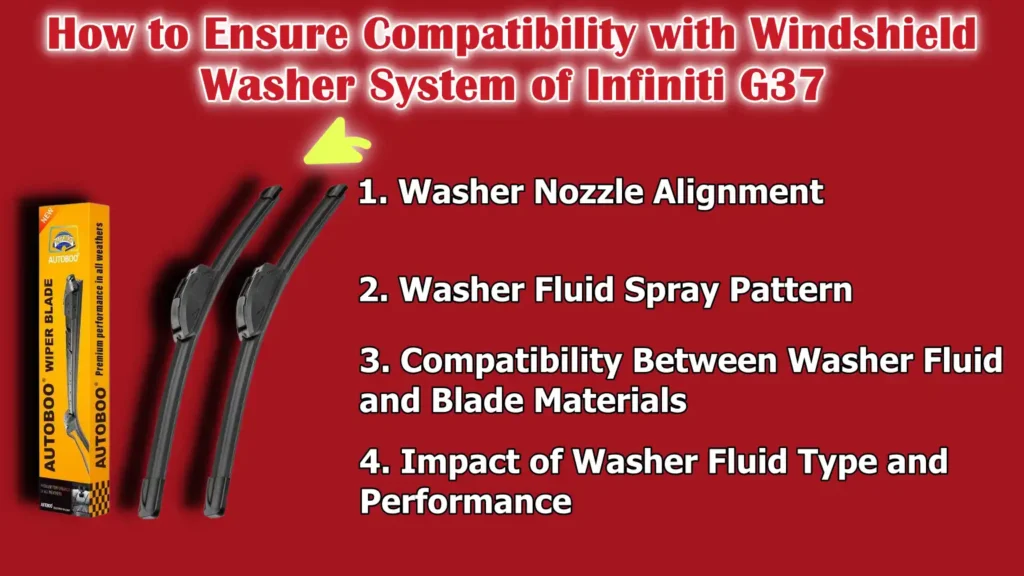
1. Washer Nozzle Alignment
The washer nozzles are designed to spray cleaning fluid onto specific areas of the windshield where the wiper blades pass.
In the Infiniti G37, correct nozzle alignment ensures that the fluid reaches the middle and upper sections of the glass before the blades sweep across.
Misaligned nozzles may spray too low or too high, resulting in dry wiping, streaking, or wasted fluid.
Proper alignment improves cleaning efficiency and prevents unnecessary wear on the blades.
2. Washer Fluid Spray Pattern
The spray pattern of the washer fluid determines how evenly the windshield is cleaned.
A wide and well-distributed spray pattern allows the fluid to spread evenly across the glass, enabling the wipers to remove dirt in one or two passes.
In the Infiniti G37, clogged or partially blocked nozzles can cause uneven spraying, leaving dry spots that reduce visibility.
Regular cleaning of the nozzles helps maintain a consistent spray pattern.
3. Compatibility Between Washer Fluid and Blade Materials
The washer fluid reduces friction between the wiper blades and the windshield, resulting in smoother movement and quieter operation.
Different blade materials react differently to washer fluid.
Standard rubber blades rely on proper lubrication from the fluid to prevent squeaking, while treated or coated blades glide more smoothly.
Poor-quality fluid can leave residue on the glass and blades, increasing friction and reducing wiping performance.
4. Impact of Washer Fluid Type and Performance
Different types of washer fluid are designed for different weather and driving conditions.
Basic fluids are effective at removing light dirt and dust, while advanced formulas help break down insects, oil film and road grime.
In cold weather, winter-formulated washer fluid prevents freezing and improves cleaning performance at low temperatures.
Using the correct washer fluid for your Infiniti G37’s environment improves visibility, protects the washer system and extends the life of your wiper blades.
How to Replace Infiniti G37 Windshield Wipers and Understand About Parts and Tools Usage
Replacing the windshield wipers on an Infiniti G37 is a straightforward maintenance task, but it requires the right parts and proper technique.
Using the correct replacements ensures smooth wiping, protects the windshield from damage and extends the lifespan of the new blades.
Following these instructions can save time for both novice and experienced mechanics.
1. Replace Wipers – Easy Method
To replace the windshield wipers on an Infiniti G37, first carefully lift the wiper arms away from the windshield.
Then, release the locking tab on the blade and detach the old blade from the wiper arm.
Attach the new blade to the arm using the tab until it clicks securely into place.
After installation, gently lower the arm back onto the windshield to avoid sudden impact.
2. Tools
In most cases, no special tools are required for Infiniti G37 windshield wiper replacement.
The blades utilize an easy-to-use hook-style connection design.
A soft mat can be used to protect the windshield when the arms are lifted and a rag can be used to keep the arms clean during the process.
3. Hook-Type Arm Compatibility
The Infiniti G37 features a standard hook-type wiper arm, which is compatible with both OEM and aftermarket windshield wiper blades.
This design allows for quick and secure attachment without any modifications.
It’s important to confirm that the replacement blades are compatible with the hook-type arm to ensure a proper fit and stable operation during use.
4. Common Mistakes to Avoid
A common mistake is allowing the empty wiper arm to snap against the windshield, which can cause chipping or cracking.
Another mistake is not ensuring that the blade is fully locked into the arm, which can lead to it coming loose while driving.
Using the wrong blade type or installing the blade in the wrong orientation can also compromise the wiper’s effectiveness.
5. Safety Precautions During Installation
Safety precautions should be observed when working with the wipers.
The engine should be turned off and the wipers should be in their resting position before lifting the arms.
The wiper arm should be protected from sudden movement at all times, perhaps by using a piece of plastic or padding.
Gently lowering the arm after installation protects the windshield and ensures that the blade is properly seated on the arm.
How to Maintain Infiniti G37 Windshield Wipers and Tips for More Care
Proper maintenance and care of your Infiniti G37’s windshield wipers ensure clear visibility, quiet operation and extended blade life.
Wiper blades are constantly exposed to heat, sunlight, dust and moisture, which gradually reduces their effectiveness.
Simple maintenance practices can minimize this wear and tear and help the wipers perform as designed.
1. Cleaning Windshield Wiper Blades
Over time, dirt, oil and road grime accumulate on the rubber edges of windshield wiper blades.
Regularly cleaning the blades with a soft cloth and a mild glass cleaner or water removes this buildup and restores smooth wiping action.
Clean blades glide more easily across the windshield, leave fewer streaks and operate more quietly.
2. Best Practices for Windshield Cleaning
A clean windshield is just as important as clean wiper blades.
Dirt and residue on the glass increase friction, causing the blades to work harder and wear out faster.
Regularly washing the windshield with a proper glass cleaner removes layers of dirt, wax and washer fluid residue.
This allows the wipers to move more freely and clean the glass more effectively.
3. Preventing Premature Blade Wear
Wiper blades wear out prematurely when used on a dry or dirty windshield.
Always using washer fluid before operating the wipers reduces friction and protects the rubber edges.
Avoiding harsh chemicals and regularly cleaning both the blades and the windshield also helps prevent cracking and hardening of the rubber.
4. Storage and Parking Considerations
Where and how your vehicle is parked can affect the lifespan of your wiper blades.
Parking in shaded or covered areas reduces exposure to direct sunlight, preventing the rubber from drying out and hardening.
In cold weather, lifting the wiper arms away from the windshield during heavy snowfall or frost can prevent the blades from freezing to the glass and becoming damaged.
5. Signs That Wiper Blades Need Replacing
Several signs indicate that windshield wiper blades need replacing.
Streaking, skipping, chattering noises and uneven wiping are common signs of worn-out rubber.
Visible cracks, tears, or hardened edges on the blades also indicate that the blades can no longer effectively clean the windshield.
Replacing the blades at the first signs of wear helps maintain clear visibility and safe driving.
What are The Infiniti G37 Windshield Wiper Problems
Identifying windshield wiper problems in an Infiniti G37 is usually easy, but understanding the cause isn’t always straightforward.
If left unaddressed, these issues can gradually reduce visibility and driving comfort.
Knowing the most common problems helps drivers quickly identify the cause and take corrective action before safety is compromised.
1. Streaking and Smearing
Streaking and smearing occur when the wiper blades fail to properly clear water and debris.
This is often due to worn or hardened rubber that has lost its flexibility.
Dirt, oil, or residue from washer fluid on the windshield can also cause smearing, even with new blades.
Streaking reduces visibility, specially at night when light reflects off the wet glass.
2. Skipping and Chattering
Skipping and chattering happen when the wiper blades move unevenly across the windshield instead of gliding smoothly.
This problem is typically caused by hardened rubber, incorrect blade size, or uneven pressure from the wiper arms.
Skipping not only creates noise but also leaves portions of the windshield temporarily uncleared, which can be dangerous during heavy rain.
3. Uneven Cleaning
Uneven cleaning occurs when some parts of the windshield are cleaned while others remain wet or dirty.
This problem is often caused by bent wiper arms, poor pressure distribution, or blades that don’t conform to the curvature of the windshield.
Uneven cleaning can also be caused by clogged washer nozzles that fail to wet the entire surface of the glass.
Even, there’s experimental analysis of wiper blades that shows that there’s balancing force that distributed between the rubber blade and glass surface that actually contributes directly to the smoother wiping action and lowers the noise levels, so whenever the blade’s contact pressure in uniform, then the wiper truly operates more quietly and effective way, which is why evenly distributed pressure is actually essential for having consistent blade performance in all-weather conditions.[¹]
4. Areas of Reduced Visibility
Areas of reduced visibility appear when the wipers fail to clear critical viewing areas, particularly in front of the driver.
This can be caused by incorrect blade length, worn blade edges, or weak arm tension.
These uncleared areas can make it difficult to see lane markings, other vehicles and pedestrians during rain.
5. Wiper Motor or Linkage Problems
Problems with the wiper motor or linkage affect the movement of the entire system.
A weak motor can cause slow or erratic wiping, while worn linkage parts can result in uneven movement or unusual noises.
In severe cases, the wipers may stop working altogether.
These problems typically require professional inspection and repair to restore proper function.
How to Solve Infiniti G37 Windshield Wiper Problems
Troubleshooting windshield wiper problems in an Infiniti G37 allows drivers to quickly identify the root cause of poor wiping and avoid unnecessary parts replacements.
Many wiper problems start small and gradually worsen, but early detection ensures clear visibility and safe driving.
Learning to differentiate between blade issues and mechanical or washer system malfunctions makes troubleshooting easier and more effective.
1. Identifying Blade-Related Problems
Blade-related problems are the most common and usually the easiest to fix.
Streaking, smearing, chattering and intermittent wiping are often caused by worn, hardened, or dirty rubber edges.
Inspecting the blades for cracks, rough edges, or stiffness helps determine if replacement is necessary.
Cleaning the blades and windshield can sometimes improve performance, but worn or hardened blades should be replaced for reliable results.
2. Identifying Arm or Motor Malfunctions
If replacing the blades doesn’t resolve the issue, the problem may lie with the wiper arm or motor.
Weak or uneven wiping is often due to low arm spring tension or a bent arm that prevents the blade from making proper contact with the glass.
Slow movement, erratic speed, or wipers stopping mid-cycle can indicate a faulty motor or electrical problem.
Unusual noises or irregular movement may also indicate wear in the linkage.
3. Troubleshooting Washer System Problems
Washer system problems can make the wipers seem ineffective, even if they are functioning correctly.
Low washer fluid levels, clogged nozzles, or frozen lines can prevent fluid from reaching the windshield.
Without proper lubrication, the blades rub against the dry glass, causing noise and ineffective cleaning.
Checking the fluid level and the direction of the nozzle spray can help restore normal washer performance.
4. Temporary Solutions vs Permanent Solutions
Temporary solutions, such as cleaning the blades or adjusting the nozzles, may improve performance for a short time, but they cannot replace worn or damaged components.
Permanent solutions include replacing worn blades, repairing bent arms, or addressing motor and linkage problems.
Understanding the difference between short-term fixes and long-term repairs ensures consistent visibility and prevents recurring issues.
What Is The Ideal Time Interval of Replacement and Lifespan of Infiniti G37 Windshield Wipers
The windshield wiper blades on the Infiniti G37 gradually deteriorate and their performance diminishes long before they completely fail.
Understanding the lifespan of different types of blades and the factors that affect their durability allows drivers to replace them at the appropriate time and maintain clear visibility.
Regular replacement is a crucial part of vehicle safety and routine maintenance.
1. Average Lifespan of OEM Blades
The OEM windshield wiper blades installed on the Infiniti G37 typically last between six months and one year under normal driving conditions.
These blades are designed for balanced performance and quiet operation, but exposure to sunlight, heat and frequent use gradually hardens the rubber material.
Even if the OEM blades still appear intact, reduced flexibility in the rubber edges can compromise their cleaning effectiveness.
2. Durability Comparison of Aftermarket Blades
The durability of aftermarket windshield wiper blades varies considerably depending on their materials and design.
Standard rubber aftermarket blades often have a lifespan similar to OEM blades, while premium blades made from treated rubber or silicone may last longer.
Some high-quality aftermarket options can maintain good wiping performance for a year or more, specially in milder climates.
3. Driving Conditions Affecting Lifespan
Driving conditions play a significant role in how quickly wiper blades wear out.
Frequent use during heavy rain, dusty environments, or high-speed driving increases friction and wear.
Hot weather and intense sunlight accelerate the degradation of the rubber, while cold weather can cause cracking and stiffness.
Regular exposure to dirt and pollutants, if not properly cleaned, can also shorten the lifespan of the blades.
4. Manufacturer-Recommended Replacement Interval
Most vehicle manufacturers recommend replacing windshield wiper blades at least once a year, even if there are no obvious problems.
In harsh weather conditions or with frequent use, more frequent replacement may be necessary.
Following the recommended replacement interval ensures consistent wiping performance and helps prevent sudden loss of visibility during inclement weather.
How to Ensure Safety, Visibility and Compliance with Driving Regulations
Windshield wipers are a crucial safety feature in the Infiniti G37, directly impacting the driver’s ability to see the road and react to hazards.
Properly functioning wipers not only improve visibility in inclement weather but also play a vital role in preventing accidents.
Maintaining wipers in good condition is a practical safety measure and, in most places, a legal requirement.
1. The Role of Windshield Wipers in Accident Prevention
Windshield wipers help prevent accidents by keeping the windshield clear of rain, snow, dust and other debris.
Poor visibility is a major contributing factor to many road accidents, specially during heavy rain or fog.
In the Infiniti G37, high-quality blades and proper wiper operation ensure that drivers have a clear view of lanes, traffic signals, pedestrians and other vehicles, allowing for timely reactions and safe driving.
2. Visibility Standards and Safety Guidelines
Automotive safety guidelines emphasize that drivers must maintain clear visibility of the road ahead and surrounding areas at all times.
Wiper blades that leave streaks, smudges, or missed areas compromise these standards.
Regular inspection and replacement of the Infiniti G37’s wipers help meet recommended visibility standards and ensure the windshield remains effectively clear in varying weather conditions.
3. Legal Requirements for Functional Wipers
In most countries and states, fully functional windshield wipers are a mandatory requirement as part of vehicle roadworthiness laws.
Driving with worn, damaged, or missing wipers can result in fines, failure of vehicle inspections, or liability in the event of an accident.
The Infiniti G37’s wiper system must be maintained in accordance with these legal requirements to ensure compliance with regulations and to protect the driver legally and financially.
4. Inspection and Roadworthiness Considerations
During vehicle inspections, functional windshield wipers are a key component checked for roadworthiness.
Inspectors verify the proper condition of the blades, effective wiping action and a functional washer system.
Maintaining your Infiniti G37’s wipers in good working order not only contributes to safety but also ensures the vehicle passes regular inspections, avoids costly repair bills and maintains insurance validity.
Conclusion – Best Infiniti G37 Windshield Wipers
If there’s a small decline in the wiper performance that can reduce the visibility drastically, which is why the proper maintenance is necessary, which is why you should timely replace them with the custom-fit one.
Properly functioning wipers ensure that rain, dust and debris are effectively cleared, preventing streaks, smudges and blind spots that can lead to accidents.
Understanding the system—from OEM design and blade materials to wiper arm mechanics, washer system compatibility and weather-specific performance—helps drivers make informed decisions about maintenance and replacement.
Regular inspections, using the correct size blades and timely replacements maintain the original performance standards set by Infiniti and ensure quiet, smooth operation.
By paying attention to these details, G37 owners can enjoy safe driving in all weather conditions, minimize wear and tear on both the blades and the windshield and preserve the premium driving experience for which the vehicle was designed.
Ultimately, windshield wipers are not just accessories—they are a critical component of the vehicle’s safety system and deserve proper care and attention.
So, that’s all from this guide and if you still have confusion related to this, just comment that down below for more info.
Frequently Asked Questions
Q1. What is the correct wiper blade size for the Infiniti G37?
Answer: The Infiniti G37 uses two different blade lengths for the front windshield. The driver’s side blade is typically 26 inches long and the passenger’s side blade is 17 inches long. These sizes are designed to match the curvature of the windshield and provide maximum coverage without overlapping or leaving uncleared areas. It’s important to verify your model year and body style, such as sedan, coupe, or convertible, as minor variations can affect fitment. Using the correct blade size ensures proper wiping efficiency and safety.
Q2. How often should I replace my Infiniti G37 windshield wipers?
Answer: Replacement frequency depends on driving conditions and weather. On average, OEM wiper blades last approximately six months to a year, while some high-quality aftermarket blades may last longer. If you notice streaking, skipping, or chattering, it’s time to replace them. Hot weather, heavy rain, dusty roads and frequent use can shorten blade life. Following the manufacturer’s recommendation for annual replacement ensures clear visibility and safe driving.
Q3. Why are my G37’s wiper blades leaving streaks or smears on the windshield?
Answer: Streaking or smearing usually occurs when the blade’s rubber edge is worn, hardened, or contaminated with dirt, oil, or road grime. Bent arms causing uneven pressure or improper installation can also lead to streaking. Regularly cleaning both the blades and the windshield may temporarily improve performance, but if the rubber is damaged or hardened, replacing the blades is the only effective solution.
Q4. Why are my wiper blades skipping or chattering on the windshield?
Answer: Skipping and chattering occur when the blade fails to maintain smooth contact with the glass. Common causes include hardened or worn rubber, incorrect blade size, uneven wiper arm tension, or dirt buildup on the windshield. High wind pressure at high speeds can also cause the blades to skip. Ensuring the correct blade size, cleaning the windshield and checking the arm tension usually resolves the problem. In some cases, adjusting or replacing bent arms may be necessary.
Q5. Can I use any aftermarket wiper blades on my Infiniti G37?
Answer: Most aftermarket wiper blades are compatible with the hook-type wiper arms on the Infiniti G37, but not all blades will provide the correct fit or performance. Beam-style, hybrid and silicone blades may offer greater durability, quieter operation, or better performance in harsh weather conditions. Always ensure the blade size and arm type match your vehicle to ensure proper pressure, smooth wiping and complete coverage of the windshield.
Q6. How do weather conditions affect wiper performance?
Answer: Weather significantly impacts wiper performance. Heavy rain requires the blades to quickly remove large amounts of water, while fog and light drizzle require smooth and controlled wiping to prevent streaking. Dust, dirt and pollution can create a film that reduces wiping effectiveness. In hot weather, the rubber can dry out, becoming hard and brittle, while in cold weather, the blades can stiffen, leading to skipping and reduced contact. If wiper blades are used on a frozen windshield without proper defrosting, ice and frost can damage the blades.
Q7. What role does the washer system play in wiper performance?
Answer: The washer system sprays cleaning fluid onto the windshield before or during wiping to remove dirt, dust and road debris. Proper nozzle alignment and spray pattern ensure the fluid reaches the areas where the blades pass. Using the correct type of washer fluid improves lubrication, reduces blade friction and prevents streaking. In cold weather, winter-specific fluids prevent freezing and maintain cleaning effectiveness.
Q8. Can worn wiper arms affect visibility?
Answer: Yes, worn or bent wiper arms can prevent the blades from applying even pressure to the windshield. This can lead to skipping, chattering, streaking and uneven wiping. Reduced arm spring tension can also result in poor contact, diminishing wiping effectiveness. Inspecting the wiper arms along with the blades helps ensure consistent contact and clear visibility.
Q9. Are OEM wipers better than aftermarket wipers for the G37?
Answer: OEM wipers are specifically designed for the Infiniti G37 and offer a guaranteed fit, quiet operation and consistent pressure distribution. Aftermarket wipers can also perform well and some premium designs may offer longer life, improved quietness, or better winter performance. The choice depends on your budget, driving conditions and your preference for materials such as rubber or silicone.
References:
[1] Dynamic Behaviour and Characteristics of Rubber Blade Car Performance
https://journal.ump.edu.my/ijame/article/view/1050

Guys, I’m a car audio enthusiast and customization expert and I love clear sound and clean installation. Plus, I have spent years helping people build their dream audio setups. And whenever I’m working on cars, I probably listen to music and thinks about the next big upgrade.