 Skip to content
Written By: Don Dodi
Fact Checked By: Kristen Brown
Reviewed By: Diego Rosenberg
The clear visibility is the basic safety requirement to have the safe journey always; and that’s why you need to maintain and replace the worn-out windshield wiper blades that can provide protection in rain, removes dust and debris from the windshield and keep it clean.
Plus, Volkswagen Jetta comes with a wide and slightly curved windshield to improve the aerodynamics and driver visiblity, but you needs to be aware of the fact that because of the very specific and unique design you actually need correct length and fully compatible windshield wiper blades, otherwise it won’t provide the visibility you need.
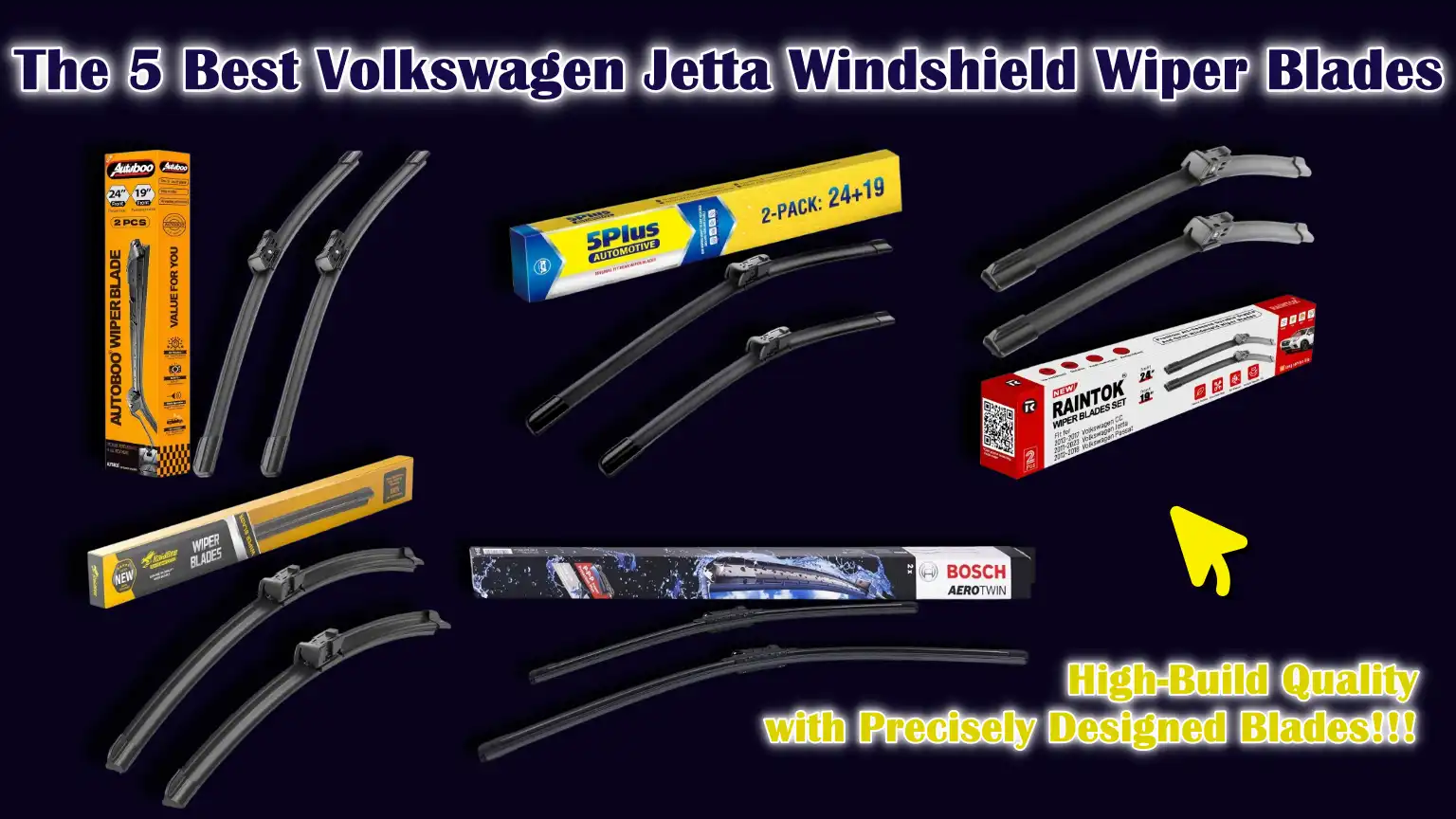
That’s why, we have come up with these 5 Best Volkswagen Jetta Windshield Wiper Blades that have aerodynamic shape and design that compliments the Jetts windshield design perfectly, even it maintain the consistent contact, proper wiping angles and provides truly stable performance at the highway speed as well.
Furthermore, If your windshield wiper doesn’t protects your windshield visibility in harsh weather conditions, then it is the clear sign of worn-out ones, so just maintain the wipers efficiency till replacement becomes only solution.
How the Correct Wiper Blade Size Ensures Proper Coverage and Performance on a Volkswagen Jetta
1. Common Front Wiper Blade Size Range by Model Year
Volkswagen Jetta models utilize different front wiper blade sizes depending on the generation and production year, as the windshield width and curvature have changed over time.
Older Jetta models typically use slightly shorter blades due to flatter windshields, while newer generations use longer blades to cover a larger viewing area and improve visibility.
Most Jetta front wiper sizes fall within a common range, but even an inch or two difference can affect how well the blades clean the glass.
This is why matching the blade size to the correct model year is crucial, as the correct size ensures complete coverage without hindering the smooth movement of the wipers.
2. Driver-Side Blade Length and Coverage Area
The driver-side wiper blade on the Volkswagen Jetta is designed to be longer than the passenger-side blade because it is responsible for clearing the most critical viewing area directly in front of the driver.
This larger blade helps maintain clear visibility during rain, dust, or road spray, specially at higher speeds.
A correctly sized driver-side blade ensures that the center and left portions of the windshield are evenly cleaned, reducing headlight glare and improving reaction time.
If the driver-side blade is too short, it leaves portions of the windshield uncleared, while a blade that is too long may hit the edges of the windshield or put excessive stress on the wiper arm.
3. Passenger-Side Blade Length and Overlap Considerations
The passenger-side wiper blade on the Volkswagen Jetta is intentionally kept shorter to allow for smooth movement and prevent the two blades from colliding during operation.
This size difference also helps maintain the correct wiping angle and minimizes unnecessary overlap, which can cause streaking or noise.
When the passenger-side blade is the correct size, it supports the driver-side blade without interfering with its movement by clearing water from the outer edge of the windshield.
Using the wrong length on the passenger side can result in uneven wiping, missed areas, or frequent contact between the blades.
4. Rear Blade Size – Where Applicable
Most Volkswagen Jetta sedan models do not have a rear windshield wiper, but in rare body variants or market-specific versions where a rear wiper is present, the blade size is significantly smaller than the front blades.
Rear wipers are designed to clear a smaller glass area and typically have a different attachment style.
Installing a front blade on the rear window can result in poor contact and reduced cleaning effectiveness.
To ensure proper visibility through the rear window, always confirm the size and compatibility of the rear wiper before replacement.
5. Risks of Using Incorrect Blade Lengths
Using the wrong wiper blade length on a Volkswagen Jetta can lead to several problems that affect both safety and vehicle components.
Blades that are too long may skip, chatter, or lift at higher speeds, while blades that are too short will leave large uncleared areas on the windshield.
Incorrectly sized blades can also put excessive strain on the wiper motor and linkage, leading to premature wear or mechanical failure over time.
Choosing the correct blade length ensures smooth operation, quiet performance, consistent cleaning and long-term reliability of the wiper system.
Understand, How Does the Design and Attachment Type of a Volkswagen Jetta’s Wiper Arm Affect Blade Fit and Stability
1. Common Wiper Arm Styles Used by Volkswagen
Volkswagen Jetta models utilize carefully designed wiper arms engineered to maintain the correct blade angle and apply consistent pressure to the windshield.
Older Jetta generations typically use more traditional open wiper arms, while newer models feature sleeker, more aerodynamic arm designs that reduce wind resistance and noise.
These arms are shaped to follow the curve of the windshield, ensuring the blade remains in contact with the glass throughout the wiping motion.
Using a blade that is compatible with the specific wiper arm style is crucial, as the arm itself controls how evenly the blade applies pressure to the windshield.
2. Hook-Type, Top-Lock and Push-Button Attachment Systems
Volkswagen has used several different wiper blade attachment systems across various years of the Jetta model.
Hook-type attachments are common in older models and are easily identifiable by their curved metal hook that locks into the blade.
Newer Jetta models often utilize top-lock or push-button systems, which offer a cleaner look and a more secure connection.
These newer systems are designed to minimize movement, prevent accidental detachment and improve blade alignment.
Choosing a blade with the correct attachment type ensures the blade locks securely into place and operates smoothly without wobbling.
3. OEM-Specific Mounting Designs and Adapters
Many Volkswagen Jetta wiper systems utilize OEM-specific mounting designs that differ slightly from universal wiper blades.
To address this issue, quality replacement blades often include adapters that allow the blade to fit correctly onto different arm styles.
These adapters help maintain the original factory fit and pressure pattern set by Volkswagen.
Using the correct adapter is crucial, as an incorrect or loose adapter can lead to uneven wiping, noise, or even sudden blade detachment during use.
Always confirm that the blades and adapters are specifically designed for your Jetta’s wiper arms.
4. How Attachment Style Affects Blade Stability and Pressure Distribution
The attachment mechanism directly impacts how stable the wiper blade remains during operation.
A secure attachment helps distribute pressure evenly across the blade, allowing it to clean the windshield smoothly from edge to edge.
A poor attachment or loose fitment can cause the blade to chatter, skip, or leave streaks, specially at higher speeds.
Proper pressure distribution also reduces wear on the blade’s edge and helps extend its lifespan.
Therefore, choosing the correct attachment system is just as important as choosing the correct blade size.
5. Ensuring a Secure Fitting to Prevent Wiper Lift at High Speeds
At highway speeds, poorly fitted wiper blades can lift off the windshield due to wind pressure, reducing visibility when it’s needed most.
Volkswagen Jetta wiper systems are designed to mitigate this problem, but only if the blades are properly installed.
A secure fit ensures that the blades remain in contact with the glass, even in heavy rain and strong winds.
After installing new wiper blades, it’s essential to check that they are properly locked in place and move smoothly across the windshield.
This simple check helps prevent the wiper blades from lifting off the windshield, making noise and experiencing a sudden decrease in wiping performance while driving.
How Windshield Curvature Affects Wiper Blade Pressure Distribution
1. Aerodynamic Shape of the Volkswagen Jetta Windshield
The Volkswagen Jetta windshield is designed with a sleek, aerodynamic shape that helps reduce air resistance, minimize cabin noise and improve fuel efficiency.
This curved design allows air to flow smoothly over the glass at both city and highway speeds.
While this shape improves overall driving comfort, it also means the windshield is not flat from edge to edge.
Because of this curvature, the wiper blades must be flexible and properly supported so they can follow the natural contour of the glass without losing contact at any point.
2. How Curvature Affects Blade Contact and Wiping Efficiency
The curvature of the windshield directly affects how well the wiper blades make contact with the glass during each wipe.
With a curved windshield like the one used in the Volkswagen Jetta, different sections of the blade need to flex slightly to maintain contact.
If a blade is too rigid or not designed for a curved glass surface, it may apply more pressure in the center and lift at the edges, or vice versa.
This uneven contact reduces wiping efficiency, leaving behind water, dust, or streaks, forcing the driver to rely on repeated wipes to clear their view.
3. Even Pressure Distribution Along the Blade Length
Proper pressure distribution means the wiper blade applies even pressure across the windshield from one end to the other.
In the Volkswagen Jetta, the wiper arm and blade work together to distribute this pressure evenly so the blade can effectively clean the glass in a single pass.
This even pressure helps remove water, dirt and road film without streaks or chattering.
When the pressure is balanced, the blade edge maintains full contact with the glass, improving visibility and reducing wear on both the blade and the windshield.
4. The Importance of Frame Design for Consistent Windshield Contact
The internal frame, or support structure, of the wiper blade plays a crucial role in maintaining consistent contact with the windshield.
A well-designed frame allows the blade to naturally conform to the curved surface of the Volkswagen Jetta windshield while maintaining consistent pressure throughout the entire wiping motion.
Poor frame design can cause sections of the blade to lift or skip, specially near the edges of the windshield.
Consistent contact ensures smooth operation, quiet performance and effective cleaning in all weather conditions.
5. Poor Pressure Distribution Leads to Streaking and Noise
When pressure is not distributed properly, common wiper blade problems such as streaking, smearing and chattering can occur.
On a curved windshield, poor pressure distribution often results in the blade skipping or leaving thin lines of water on the glass.
This not only impairs visibility but can also be distracting and fatiguing for the driver.
Over time, uneven pressure can lead to increased wear on the blade edge and even cause fine scratches on the windshield.
Proper pressure distribution ensures clear visibility, reduces noise and provides a more comfortable driving experience.
How Weather, Climate and Environmental Conditions Influence The Jetta Wiper Blade Performance
1. Performance in Heavy Rain and Monsoon Conditions
In heavy rain and monsoon weather, windshield wiper blades play a crucial role in maintaining clear visibility in the Volkswagen Jetta.
Heavy rainfall creates a continuous sheet of water on the windshield that needs to be removed quickly and evenly to prevent obscured vision.
The wiper blades must maintain firm contact with the glass and operate smoothly without skipping, even at high speeds.
Irregular wiping during heavy rain can reduce reaction time and make it difficult to judge road conditions, traffic movement and lane markings.
Properly functioning wiper blades help effectively clear water in a single pass, allowing the driver to maintain focus and drive confidently even in challenging weather conditions.
2. Challenges of Dust, Sand and Pollution in Urban Driving
In urban and semi-urban areas, dust, sand and air pollution accumulate on the windshield throughout the day.
When wiper blades are used on a dirty windshield, these particles can spread across the glass instead of being removed, further reducing visibility.
Over time, dust accumulation can wear down the wiping edge, making the blades less effective.
Regular cleaning of both the windshield and the wiper blades helps mitigate this problem and improves wiping performance.
Choosing blades that effectively handle fine particles helps maintain clear visibility in stop-and-go traffic and polluted driving conditions.
3. Impact of Heat on Blade Durability
High temperatures significantly affect the durability of windshield wiper blades, specially in regions where vehicles are parked in direct sunlight for extended periods.
Due to heat, the wiping edge hardens and loses its flexibility, making it difficult for the blade to conform to the curved surface of the Volkswagen Jetta windshield.
A stiff blade is more likely to chatter, skip, or leave streaks.
Parking in shaded areas and replacing the blades before they become too stiff can help maintain effective wiping performance in warm weather.
4. Cold Weather Performance and Freezing Prevention
In cold weather, wiper blades can stiffen and ice can accumulate on the blade edges or wiper arms.
This reduces the blade’s ability to move smoothly across the windshield and can lead to uneven wiping.
Frozen blades may also fail to properly clear snow or water, forcing the driver to rely on repeated wiping.
Using blades designed to remain flexible at low temperatures helps maintain consistent contact with the glass.
Removing snow and ice from the windshield before using the wipers can also prevent damage to the blades and wiper system.
5. UV Ray Effects and Blade Lifespan
The sun’s ultraviolet rays gradually degrade the material of the wiper blades over time, even when the vehicle is not in use.
Prolonged exposure to UV rays causes the blade edge to crack, fade and lose its smooth wiping surface.
This results in reduced performance and a shorter overall lifespan.
Regular inspection and timely replacement can prevent sudden visibility issues during rain.
Avoiding prolonged exposure to direct sunlight and maintaining the wiper system properly will ensure reliable performance throughout the year.
The 5 Best Volkswagen Jetta Windshield Wiper Blades – Truly Durable & Quality Wipers
These are the highly-durable and heavy duty windshield wipers for Volkswagen Jetta, also these wipers comes with aerodynamic nature that provide the clear vision during the high-speed driving.
#1. AUTOBOO
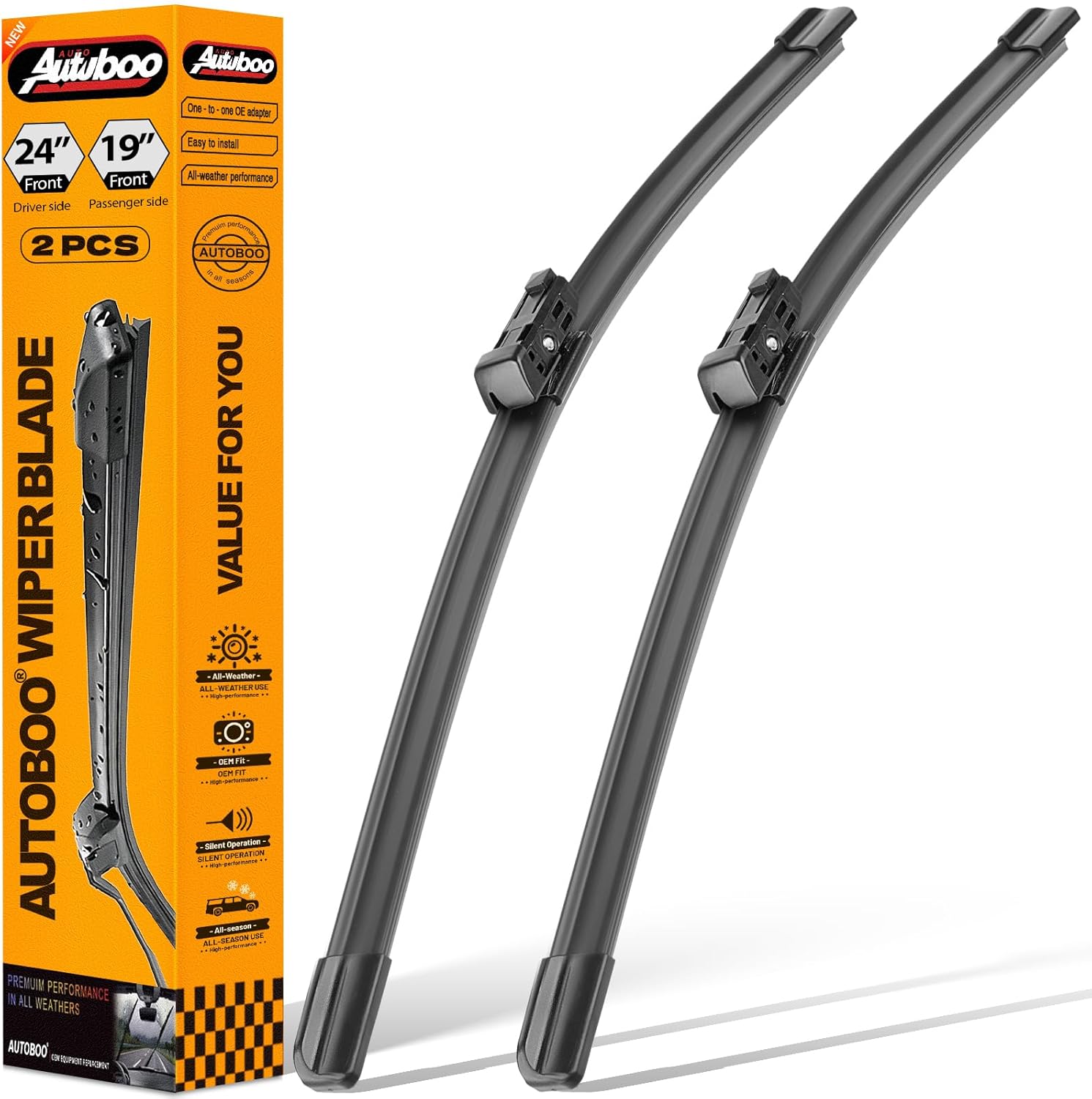
Custom-Fit On: 2011 to 2023 Volkswagen Jetta Model
Build With: Rubber + Stainless Steel Materials
Now, the manufacturer of this precisely-engineered Volkswagen Jetta windshield wiper is AUTOBOO, which is known for their high-performance wiper blades.
Also, it has aerodynamic design that reduces the wind lift when you drive at high speed, basically it keeps the blades firmly pressed relative to the glass and that’s how it provides real performance by maintaining consistent pressure during the heavy storms.
Plus, these wiper blades are made of synthetic blend rubber that comes with the capability to squeegee to withstand extreme weather condition and enhances durability as well.
Additionally, these wiper blades have sizes of: 24-inch and 19-inch, so that you can easily install them on your 2011 to 2023 Volkswagen Jetta.
#2. 5 PLUS

Custom-Fit On: 2007 to 2010 Volkswagen Jetta Model
Build With: Rubber
So, this time 5 PLUS comes with this heavy performance windshield wiper blades for Volkswagen Jetta, even it provides very reliable and consistent windshield cleanup, that is really great in rain, snow and dusty conditions.
As well as, it comes with the innovative design that works by uniformly distributing the pressure, that’s why it reduces the streaking and noise related problems and ensure the complete coverage as well.
And, it is made of high-quality rubber compound and it is engineered to resist the wear, maintain the flexibility in cold weather and also it prevents from drying out or cracking in the heat, which is why this material extends the blade life quiet effectively.
Also, you can quickly and easily install them on 2007 to 2010 Volkswagen Jetta.
#3. RAINTOK

Custom-Fit On: 2011 to 2019 Volkswagen Jetta Model
Build With: Rubber + Stainless Steel Materials
Now, this VW Jetta wiper blades comes from RAINTOK, that comes with precise engineered to deliver the clear visibility under the heavy rain conditions.
Also, the base of the wiper is made of zinc alloy that makes them really stable and provides consistent wipes during drive, even there’s exact fit memory steel spring is used that makes the wiper cleanup evenly on the windscreen.
As well as, these wipers maintains smooth operation and quiet movement even in cold, wet or dusty conditions, which is why you don’t have to worry about these irritating things during journey.
Plus, the sizes of these blades are: 24-inch and 19-inch, which is why you can comfortably replace the worn-out windshield wipers in Volkswagen Jetta from 2011 to 2019 vehicle model.
#4. RaidBee
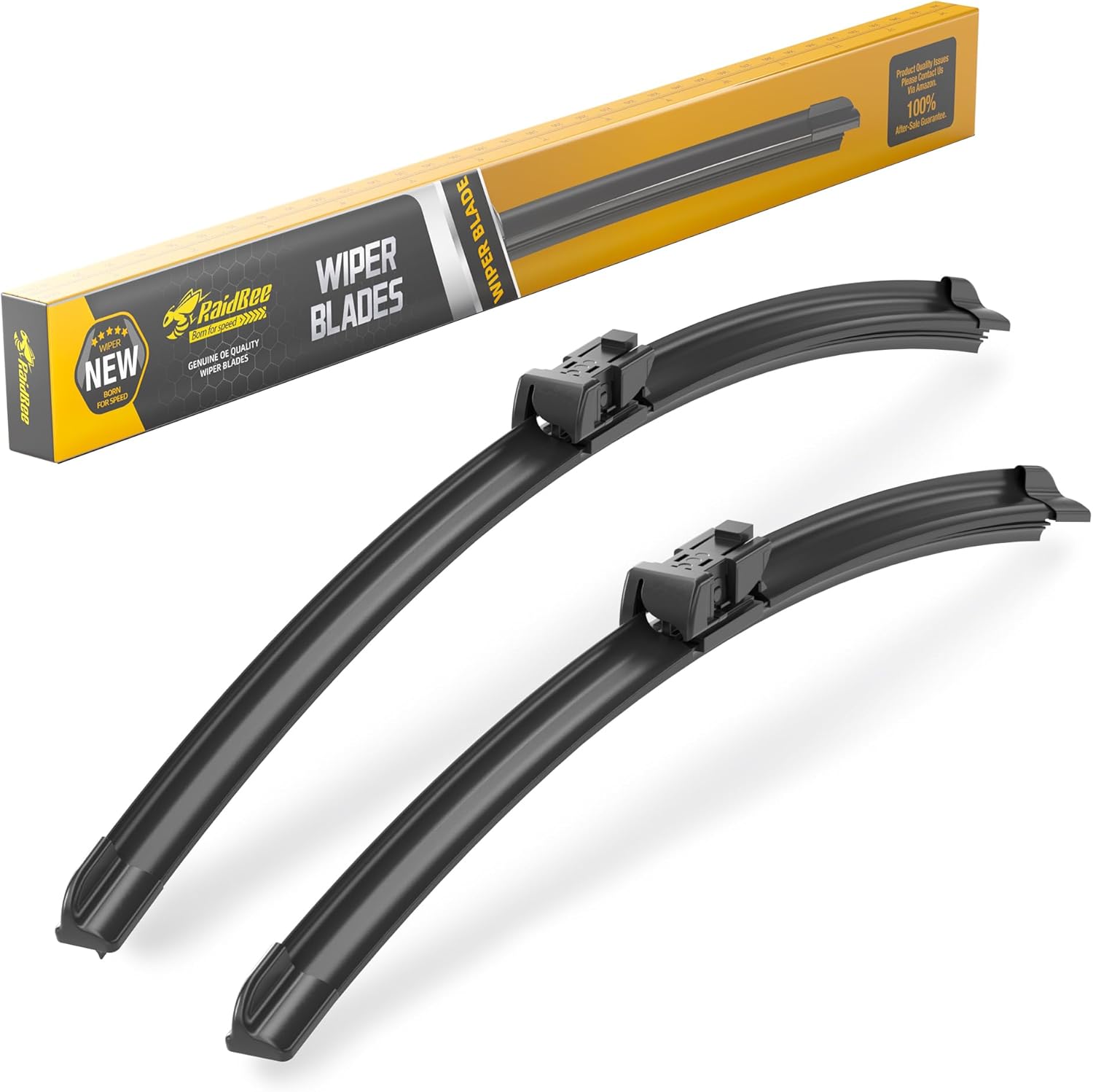
Custom-Fit On: 2006 to 2010 Volkswagen Jetta Model
Build With: Metal + Plastic + Rubber Material
Now, this truly reliable windshield wiper for VW Jetta is designed by Raidbee, also it has the premium rubber compound and corrosion-resistant frame that delivers the smooth performance, streak-free wipes and you can use them in all-seasons.
Also, it has the aerodynamic efficiency that ensures even pressure along the windshield, that’s how it minimizes the streaks, chatter and unnecessary noise.
Not only this, it is truly wind-resistant that ensures stability at the high speed driving and easily wipe off rain water, snow, dust and urban debris as well.
Along with this, you can easily install them on 2006 to 2010 Volkswagen Jetta so that you can quickly replace them with your older worn-out wipers.
#5. BOSCH

Blade Dimension: 24-Inch +19-Inch Wiper Blades
Build With: Rubber
Now, the BOSCH comes with this ultra-protective and high-performance windshield wiper blades for Volkswagen Jetta, that can easily maintain the clear windshield in harsh weather conditions.
It comes with the asymmetrical spoiler design that enhances the blade-to-windshield contact, that’s why it improves the performance at highway speeds.
Plus, it is made of dual rubber compound with the graphite coating that ensures streak-free water removal, even it delivers the exceptional visibility in the rain, snow and extreme weather conditions as well.
Even, it has patented bracketless wiper blade eliminates the metal and plastic joints or hinges, that provides a sleek and high-tech upgrade for Volkswagen Jetta.
Also, it has sizes of 24-inch and 19-inch, which is why you can easily install them on your Volkswagen Jetta effortlessly.
Now, Understand that Which Wiper Blade Performance Features Matter Most for Clear Visibility in a Volkswagen Jetta
1. Streak-Free Wiping and Clarity at Varying Speeds
One of the most important performance characteristics of Volkswagen Jetta wiper blades is streak-free wiping at both low and high driving speeds.
At city speeds, the blades should glide smoothly across the windshield without leaving water lines or streaks.
At highway speeds, increased air pressure can disrupt blade contact, so the blades must maintain firm contact with the glass.
Consistent clarity allows the driver to clearly see road signs, lane markings, pedestrians and other vehicles, which is crucial for safe driving in changing weather conditions.
2. Noise Reduction and Vibration Control
Quiet operation is a key indicator of well-designed wiper blades.
Excessive noise, rattling, or vibration usually means the blade is not making even contact with the windshield or has hardened with age.
In the Volkswagen Jetta, smooth and quiet wiping enhances driving comfort and reduces distractions, specially during long drives or heavy rain.
Good vibration control also prevents unnecessary stress on the wiper arms and motor, leading to a longer lifespan and smoother operation of the entire system.
3. High-Speed Aerodynamic Stability
At high speeds, airflow over the windshield can lift or cause poorly designed wiper blades to flutter.
The Volkswagen Jetta windshield is shaped to minimize air resistance, but the wiper blades must also be designed to remain stable in strong winds.
Aerodynamically stable blades maintain consistent contact with the glass, even when driving on the highway or in strong winds.
This stability ensures reliable wiping performance when visibility is most critical, such as during sudden heavy downpours at high speeds.
4. Resistance to Dust and Dirt Buildup
During daily driving, dust, dirt and small particles accumulate on the windshield and the edges of the wiper blades.
Blades that resist dirt buildup clean the glass more effectively without spreading debris across the surface.
This is specially important in urban areas where pollution and road dust are common.
Reduced dirt accumulation helps maintain a cleaner windshield, minimizes the risk of scratching and improves overall wiping efficiency in both dry and wet conditions.
5. Consistent Wiping Performance Over Time
Wiper blades should perform consistently well not only when new but also after months of regular use.
Consistency in long-term wiping performance means the blades maintain their shape, flexibility and pressure distribution over time.
In the Volkswagen Jetta, consistent performance reduces the need for frequent parts replacement and provides reliable visibility in all weather conditions.
Blades that wear evenly and maintain consistent contact with the windshield help drivers avoid sudden visibility problems and contribute to safer, more reliable driving.
How to Properly Install Windshield Wiper Blades on a Volkswagen Jetta – For Secure and Quiet Operation
1. Tools
Before installing the wiper blades on your Volkswagen Jetta, gather the necessary items.
In most cases, no special tools are required, as modern wiper blades are designed for easy, tool-free installation.
A clean cloth or microfiber towel will be useful to prevent accidentally scratching the windshield and to wipe away any dust or debris from the glass.
Ensure the vehicle is turned off and the wiper switch is in the off position to prevent accidental movement.
Preparing your workspace and tools will make the installation process smoother and safer.
2. Lift the Wiper Arm Away from the Windshield
Gently lift the wiper arm away from the windshield until it locks into an upright position.
Be careful not to let the arm snap back onto the glass, as this could crack or break the windshield.
Lifting the arm provides clear access to the blade and attachment mechanism.
Ensure the arm remains stable and does not move while you are removing the old blade.
3. Remove the Old Wiper Blade
Identify the type of attachment system used on your Jetta’s wipers, which could be a hook, top-lock, or push-button system.
Depending on your blade type, press, slide, or release the locking mechanism.
Carefully slide or pull the old blade off the wiper arm.
Avoid pulling or twisting the blade with excessive force, as this could bend the wiper arm or damage the attachment clip.
Set the old blade aside for proper disposal.
4. Prepare the New Wiper Blade
Before installation, ensure the new blade is the correct size and attachment type for your specific Volkswagen Jetta model year.
If the blades come with multiple adapters, select the one that fits your wiper arm.
Ensure the rubber edge is intact and free from defects.
Align the blade with the arm so it’s ready to be securely attached.
Proper preparation prevents installation errors and ensures optimal performance.
5. Attach the new blade to the wiper arm
Slide or click the new blade onto the wiper arm until it securely locks into place.
You should hear or feel a distinct click confirming the blade is properly seated.
Gently pull on the blade to ensure it’s not loose.
Make sure the blade sits flat against the arm and is correctly aligned with the curve of the windshield.
A secure attachment is crucial for maintaining consistent pressure and preventing the blade from lifting at higher speeds.
6. Carefully lower the wiper arm
After installing the new blade, gently lower the wiper arm back onto the windshield.
Avoid letting it drop suddenly, as this could cause the arm to hit the glass and damage both the blade and the windshield.
Carefully position the blade so it rests evenly against the windshield.
Correct positioning ensures effective wiping coverage and prevents uneven pressure.
7. Test the wiper function
To test the new blades, turn on the wiper switch and spray washer fluid.
Observe that the blades move smoothly without sticking, making noise, or leaving streaks.
Ensure both the driver-side and passenger-side blades fully cover the windshield and if there’s a rear wiper, check that it’s also functioning correctly.
Testing confirms that the installation was successful and the blades are ready for real-world driving conditions.
8. Inspect and Adjust as Needed
After testing, inspect the blade edges, attachment points and wiper arm alignment.
Ensure the blades maintain full contact with the windshield along their entire length, without any gaps or areas of uneven pressure.
If necessary, remove and reattach the blades or slightly adjust the arm to improve contact.
Proper inspection ensures long-lasting performance, quiet operation and clear visibility in all weather conditions.
How to Maintain Volkswagen Jetta Windshield Wiper Blades
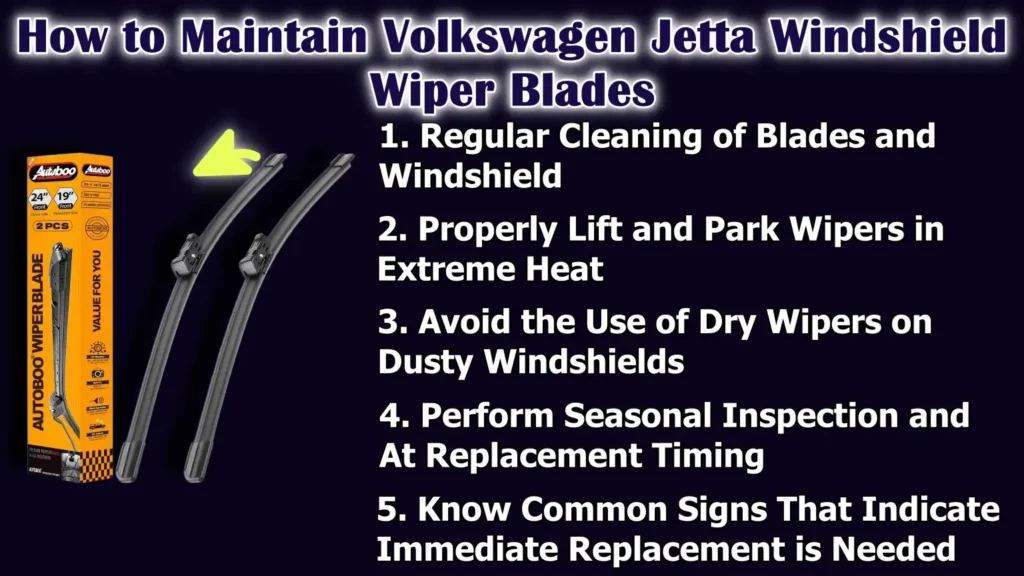
1. Regular Cleaning of Blades and Windshield
Regularly cleaning both the windshield and wiper blades is the easiest and most effective way to extend the life of your Volkswagen Jetta’s wiper blades.
Dirt, dust and road grime accumulate on the glass and blade edges, reducing wiping efficiency and causing streaking.
Gently wiping the blades with a clean, damp cloth removes trapped particles that can damage the wiping edge.
A clean windshield also reduces friction, allowing the blades to move smoothly and clean the glass more effectively.
2. Properly Lift and Park Wipers in Extreme Heat
Extreme heat can cause wiper blades to harden and lose their flexibility when they are pressed against a hot windshield for extended periods.
In very hot weather, carefully lifting the wiper arms off the glass when parked can help mitigate heat damage.
Parking in shaded areas whenever possible also prevents the blades from being exposed to excessive heat.
These small steps help maintain the blades’ flexibility and prevent premature deterioration due to high temperatures.
3. Avoid the Use of Dry Wipers on Dusty Windshields
Using wiper blades on a dry or dusty windshield can cause them to wear out quickly and reduce their effectiveness.
Dust and sand particles act as abrasives, wearing down the blade edges and potentially scratching the windshield.
Before operating the wipers, it’s best to use washer fluid or manually clean the glass.
This practice helps the blades glide smoothly and prevents unnecessary damage to both the blades and the windshield surface.
4. Perform Seasonal Inspection and At Replacement Timing
Wiper blades should be inspected regularly, specially during seasonal changes when weather conditions fluctuate.
Heat, rain, cold and dust all affect blade performance in different ways.
Checking the blades every few months helps identify early signs of wear, such as stiffness or uneven wiping.
Most wiper blades perform best when replaced at the appropriate intervals, even if they appear to be in good condition.
Regular inspections ensure consistent visibility and reliable performance throughout the year.
5. Know Common Signs That Indicate Immediate Replacement is Needed
Several signs clearly indicate that wiper blades need immediate replacement.
These include streaking, skipping, chattering noises, uneven wiping, or visible cracks on the blade edges.
A decrease in cleaning effectiveness during rain is another strong warning sign.
Replacing worn blades promptly restores clear visibility, prevents damage to the windshield and ensures safe driving in all weather conditions.
Read More:
Why Do Worn or Poor Quality Wiper Blades Directly Affect Driving Safety and Visibility?
Not only this, there’s dynamic system analysis of windshield wipers that shows that the fluctuating pressure distribution, particularly during the blade reversal, that can significantly increases the noise output and it actually compromises with the wiping quality as well, so whenever the parts of the blade experience different pressure due to the motion and the windshield curvature, then simply imbalances occurs in between them, so this imbalance is the cause behind the irritating noise and vibration, even it also affects how uniformly water and debris are removed, that even leads to the streaks and poor visibility at last.[¹]
1. Reduced Visibility During Rain and Fog
Worn or poor-quality windshield wiper blades significantly reduce visibility during rain and fog, which are already difficult driving conditions.
When the blades lose their ability to clear water evenly, they leave streaks, spots and patches of moisture on the windshield.
In a Volkswagen Jetta, this can prevent the driver from seeing the road, traffic signals, pedestrians and lane markings.
Poor visibility forces the driver to concentrate more on clear vision, increasing the risk of mistakes and delayed reactions.
2. Increased Stopping Distance Due to Poor Vision
Clear vision directly impacts how quickly a driver can react and stop.
When visibility is reduced due to worn wiper blades, drivers may perceive hazards later than usual.
This delay increases stopping distance, specially at high speeds or on wet roads.
Even a slight decrease in visual clarity can impact decision-making when braking, turning, or avoiding obstacles.
Properly functioning wiper blades help ensure the driver can react quickly and maintain better control of the vehicle.
3. Risk of Scratches and Permanent Damage to the Windshield
Old or worn wiper blades can trap dirt and debris on the blade edges.
As the blades move across the windshield, these particles can scratch the glass surface.
Over time, repeated scratches can cause permanent damage that cannot be removed by cleaning.
Scratches cause glare, specially at night or when facing oncoming headlights, further reducing visibility.
Promptly replacing worn blades protects the windshield and can prevent costly repairs or replacement.
4. Glare and Stripes Cause Driver Fatigue
Strikes and glare caused by poor-quality wiper blades can quickly tire a driver.
Constant visual disturbances require the eyes and brain to process information from the road.
This is specially tiring during long drives, heavy rain, or night driving.
In the Volkswagen Jetta, smooth and clean wiping reduces eye strain, keeps the driver more alert and provides a more comfortable and focused driving experience.
5. Legal and Inspection Considerations in Some Regions
In many regions, working windshield wipers are a basic safety requirement for vehicle inspections and roadworthiness checks.
Worn or defective wiper blades can result in a failed inspection or a fine, as they directly impact driving safety.
Driving with faulty wipers during rain can also increase liability in the event of an accident.
Keeping wiper blades in good condition helps comply with safety regulations and promotes responsible vehicle maintenance.
Identify and Fix Common Windshield Wiper Problems in a Volkswagen Jetta
1. Streaks and Smudges
One of the most common problems with Volkswagen Jetta wiper blades is streaking and smudging.
These issues typically occur when the blade edge becomes dirty, hardened, or worn over time.
Dust, road grime and water residue can cling to the blade and spread across the windshield instead of being wiped away.
In some cases, using the wipers on a dry or very dusty windshield can also cause streaking.
Regular cleaning of both the windshield and the blades often restores proper wiping action, but persistent streaking means the blades need replacing.
2. Chattering and Sticking Problems
Chattering or sticking occurs when the wiper blades do not move smoothly across the windshield.
This problem is often caused by uneven pressure, stiff blade material, or incorrect blade installation.
In the Volkswagen Jetta, chattering can also occur if the blades are not designed to conform to the curvature of the windshield.
Sticking causes noise, reduces cleaning effectiveness and can be a distraction to the driver.
Ensuring the correct blade fit and maintaining flexibility helps prevent these problems.
3. Uneven Wiping or Missed Spots
Uneven wiping or missed spots on the windshield usually indicate poor contact between the blade and the glass.
This can be due to worn blade edges, a bent wiper arm, or an incorrect blade size.
When parts of the windshield remain wet or dirty after wiping, visibility is reduced and glare is increased.
Checking the blade alignment and replacing blades that no longer maintain even contact helps restore full windshield coverage.
4. Wiper Lift at Highway Speeds
Wiper lift occurs when strong airflow pushes the blades away from the windshield.
This reduces wiping effectiveness, specially during highway driving and heavy rain.
Lift is typically caused by loose attachments, worn blades, or poor aerodynamic design.
In the Volkswagen Jetta, the correct blade attachment and stable design help keep the blades pressed against the glass even at high speeds.
Ensuring the blades are securely locked into the wiper arm helps prevent this problem.
5. Solutions and Corrective Measures
Most wiper blade problems can be resolved with simple corrective measures.
Cleaning the blades and windshield removes buildup that causes streaks and smudges.
Checking the installation ensures the blades are securely attached and properly aligned.
Replacing worn or damaged blades restores proper pressure and flexibility.
Addressing these issues promptly helps maintain clear visibility, quiet operation and safe driving in all weather conditions.
How to Choose the Right Windshield Wiper Blades for Your Volkswagen Jetta
1. Matching Blade Size and Attachment Type
Choosing the correct blade size and attachment type is the most crucial step when buying wiper blades for your Volkswagen Jetta.
Windshield width, curvature and wiper arm design vary by model year, so a blade that fits one Jetta may not fit another.
The correct size ensures complete coverage of the windshield without gaps, while the correct attachment type ensures the blade locks securely onto the wiper arm.
A proper match results in improved wiping performance, reduced noise and prevents the blade from coming loose during use.
2. Evaluating Performance Claims and Certifications
Many wiper blades include performance claims related to visibility, durability and weather resistance.
While these claims can be helpful, it’s essential to focus on features that directly contribute to real-world performance, such as consistent wiping, stable contact at high speeds and quiet operation.
Certifications and testing standards indicate that the blades have been tested for quality and reliability.
Choosing blades that meet recognized standards helps ensure safe and reliable performance in various driving conditions.
3. Checking Compatibility Labels and Manufacturer Charts
Compatibility labels and manufacturer charts provide essential information on which wiper blades fit specific Volkswagen Jetta model years.
These guides specify the correct blade size and attachment type, helping buyers avoid incorrect purchases.
Carefully reviewing this information minimizes the risk of improper fitment and wasted money.
If in doubt, consulting the vehicle owner’s manual or VIN information provides the most accurate guidance for selecting the correct blades.
4. Balancing Price, Durability and Performance
Price is an important factor, but it should be balanced with durability and performance.
Lower-priced blades may work initially, but they often wear out quickly, requiring frequent replacements.
Higher-quality blades may have a higher upfront cost, but they offer longer-lasting performance, smoother wiping and improved visibility.
For Volkswagen Jetta owners, choosing blades that provide reliable performance over time offers better overall value and reduces maintenance hassles.
5. Reliable Retailers and Purchase Channels
Purchasing wiper blades from reliable retailers ensures product quality and compatibility.
Authorized dealerships, reputable automotive stores and established online platforms typically provide accurate fitment information and genuine products.
Trustworthy vendors also offer clear return policies and customer support, which can be helpful in case of any fitment issues.
Buying from reliable sources gives drivers confidence that the wiper blades will perform as expected and contribute to safe driving.
Conclusion – Best Volkswagen Jetta Windshield Wiper Blades
When you replace the worn-out blades with the correct sized and aerodynamically designed Volkswagen Jetta windshield wiper blades then it clearly enhances the overall driving comfort in all-weather conditions by providing clear visibility.
Also, there are harsh weather and climate conditions that constantly put stress on wiper blades, also Heat, sunlight, dust, heavy rain and temperature fluctuations gradually reduce the blades’ flexibility and performance, even if the blades appear fine from the outside.
So, with the regular maintenance, such as cleaning the windshield and blades, avoiding wiping a dry windshield and checking the blades’ condition when the weather changes, helps extend blade life and maintain consistent performance.
And, timely replacement of worn-out blades prevents visibility problems, protects the windshield from scratches and avoids unnecessary strain on the wiper motor and linkage.
As well as, the simple checks after installation, such as testing the blade movement and wiping pattern, ensure that the blades are ready for real-world driving conditions.
Now, if you still have unsolved queries in mind, just let us know in the comment section below.
Frequently Asked Questions
Q1. How often should I replace my Volkswagen Jetta wiper blades?
Answer: Volkswagen Jetta wiper blades should generally be inspected at least every six months and replaced at least once a year, even if they appear to be in good condition. Over time, exposure to sunlight, heat, dust, rain and cold weather causes the rubber edge to harden, crack, or deteriorate. This reduces their ability to properly clean the windshield. If you notice problems such as streaking, skipping, chattering, or uneven wiping, these are signs that the blades need to be replaced soon. Replacing them regularly ensures clear visibility and helps you drive safely in all weather conditions.
Q2. Can I install Jetta wiper blades myself?
Answer: Yes, most people can replace the windshield wiper blades on a Volkswagen Jetta themselves, as the process is straightforward and doesn’t require any special tools. First, you lift the wiper arm away from the windshield, unlock the old blade from the arm and then click the new blade into place. Once installed, you gently lower the arm and test the wipers with some washer fluid to ensure they move smoothly and clean effectively. It’s important to ensure the blade is securely locked in place so it doesn’t come loose while driving.
Q3. Why are my Jetta wiper blades leaving streaks or smears on the windshield?
Answer: Streaks and smears occur when the wiper blade is not making smooth and consistent contact with the windshield glass. This can happen if the rubber edge has hardened from heat, deteriorated with age, or has accumulated dirt and debris. It can also happen if the windshield is very dirty, as dust and grime are being spread across the glass instead of being wiped away. Cleaning the windshield and wiping the blades with a clean cloth often improves performance, but persistent streaking means the blades are worn out and need to be replaced.
Q4. Can poor quality wiper blades damage my Jetta’s windshield?
Answer: Yes, poor quality or worn wiper blades can damage your Volkswagen Jetta’s windshield over time. When the rubber edge wears unevenly or hardens, it can scratch the glass surface as the blade moves back and forth. Minor scratches can cause glare and reduce visibility, specially at night. To protect your windshield, choose good quality blades, inspect them regularly and keep both the blades and windshield clean to prevent trapped debris from scratching the glass.
Q5. What should I do if my Jetta wipers are sticking or skipping on the windshield?
Answer: Sticking or skipping usually means the wiper blade isn’t moving smoothly across the windshield. This can happen when the rubber hardens in cold weather, when the blade edge is worn, or when the blade isn’t applying even pressure to the glass. Washing the windshield and blades frequently can improve contact, but if the problem persists, it likely means the blades are worn out and need to be replaced.
References:
[1] Dynamic Analysis of Wiper System and Noise Prediction of Blade Reverse
https://trid.trb.org/view/1831841

Guys, I’m a car audio enthusiast and customization expert and I love clear sound and clean installation. Plus, I have spent years helping people build their dream audio setups. And whenever I’m working on cars, I probably listen to music and thinks about the next big upgrade.
